Four kits, one brand — what the field actually consists of
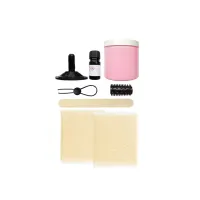
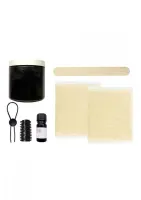
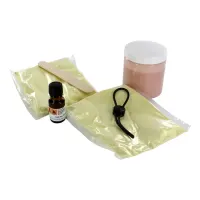
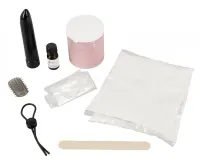
Search for a penis casting kit and you get results that look like a wide selection: Cloneboy Suction Cup, Cloneboy Dildo Black, Cloneboy Personal Dildo, Cloneboy Dildo With Vibrator, and even more under the shops’ own names — Penis Cloner Kit, Personal Dildo Skin. Behind all those names is a single manufacturer, Wonderboys in Amsterdam, which sells the Cloneboy brand in 22 versions. All four kits ranked here are Cloneboy.
That is not a gap in the selection but a description of what is available to buy and examine. The main international competitor, Clone-A-Willy from the American company Empire Labs, has no review of its own on the site and is therefore not ranked. It still turns up in the text below, because the reviews use its published specifications as a benchmark — and because it publishes almost everything Cloneboy leaves out.
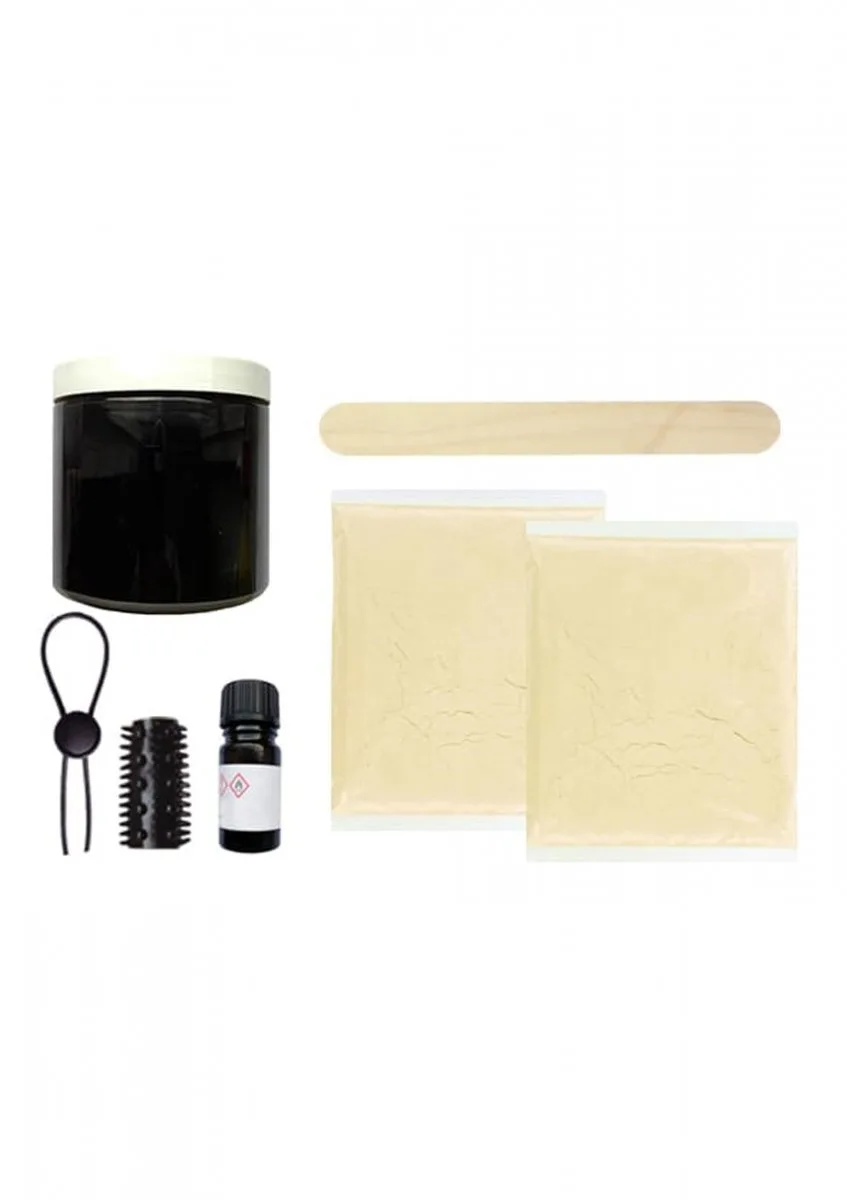
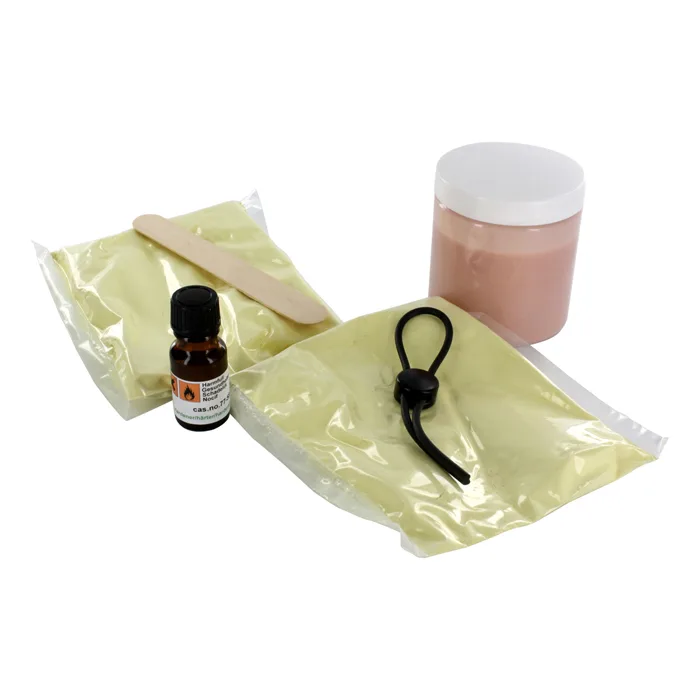
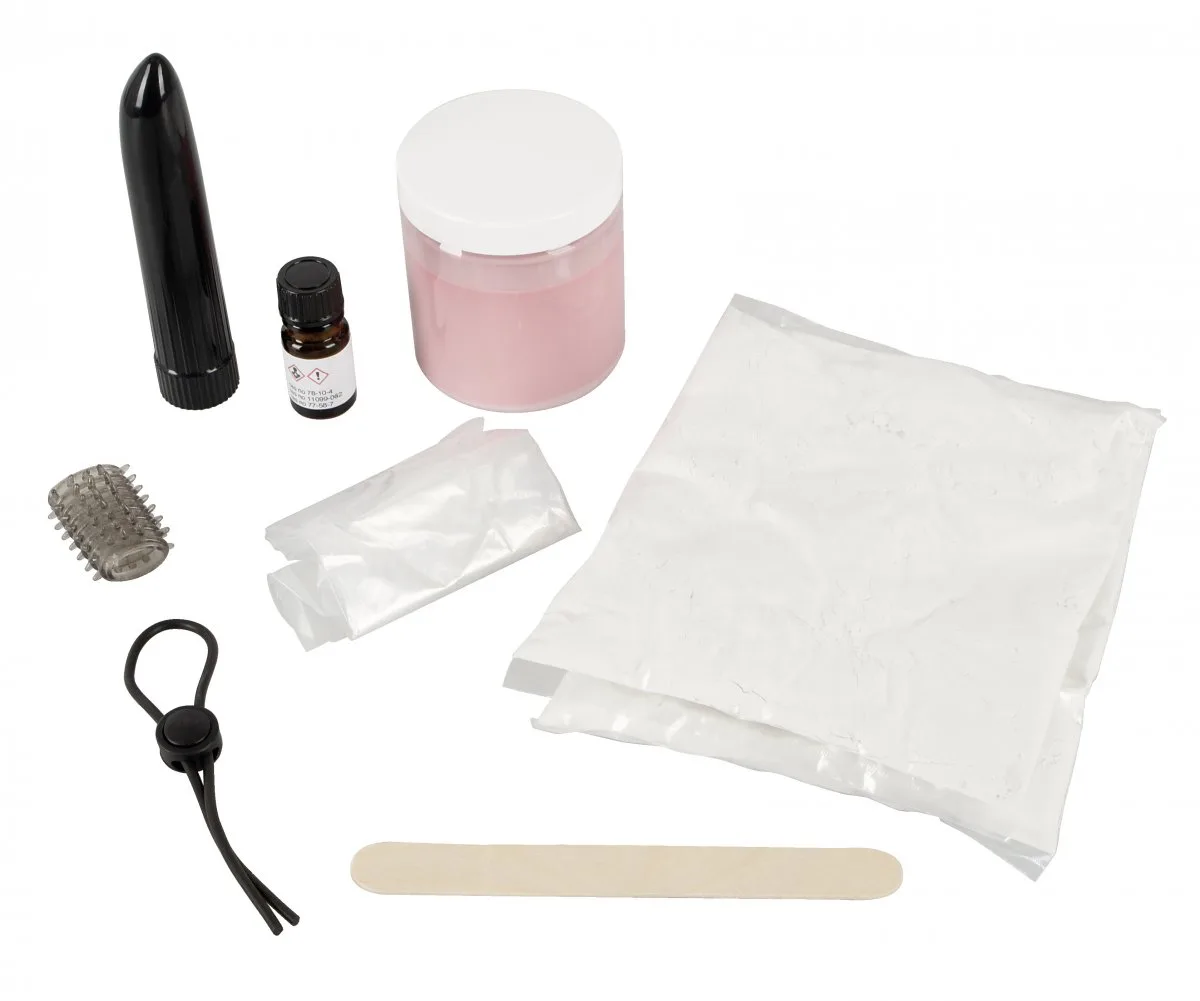
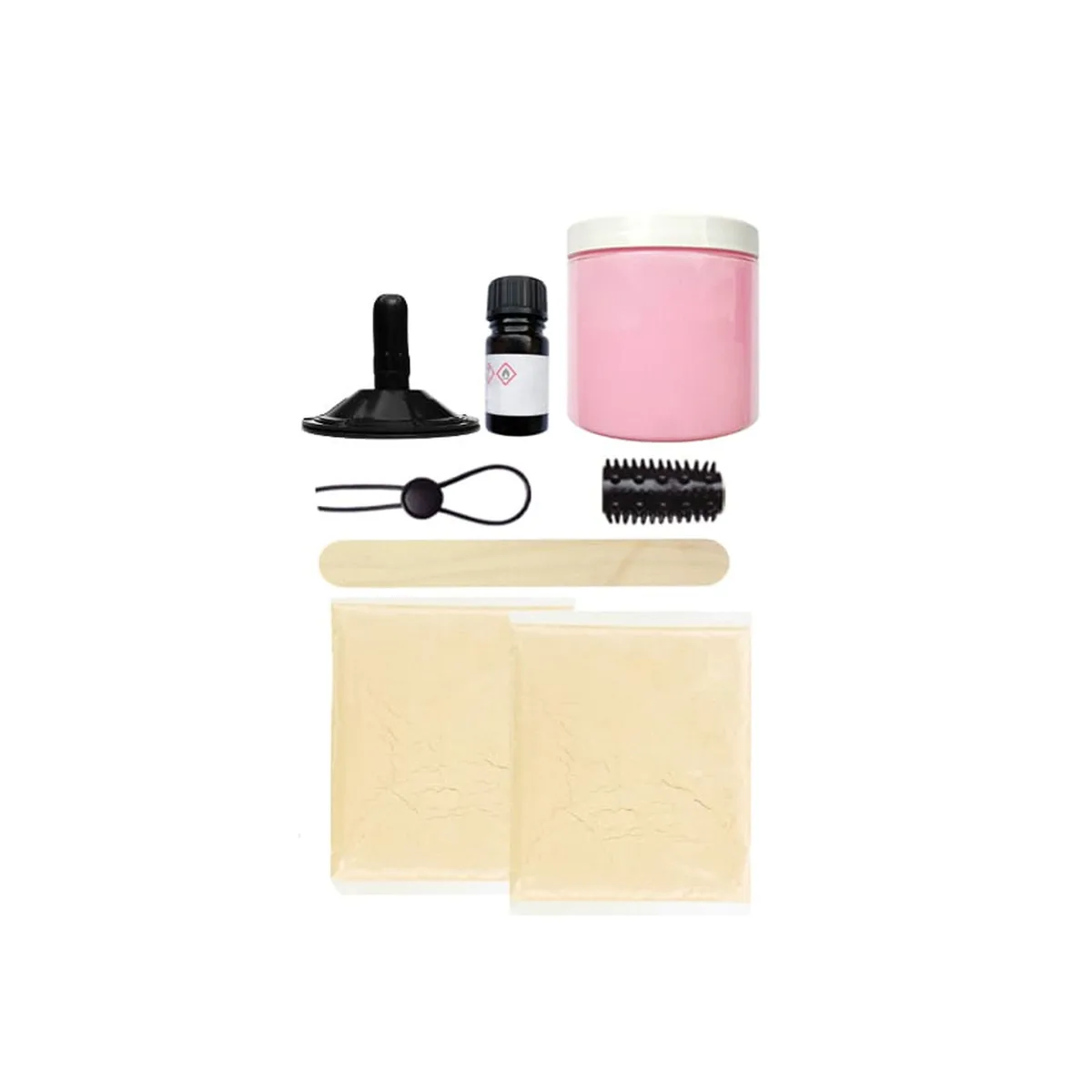
Within Cloneboy, the differences are smaller than the product names suggest. The manufacturer’s description is almost word for word the same for every variant: the same moulding powder, the same silicone rubber, the same cock ring, the same stimulation sleeve and the same three-minute setting time for the mould. What differs is what ends up in the base of the copy — nothing, a suction cup or a vibrator unit — and what colour the silicone is. In practice, then, the ranking comes down to a single question: which base you want, and what that base costs you in risk.
The field is also poorly documented, and that should be said without beating about the bush. The ratings range from 6.3 to 7.2 out of 10. Cloneboy publishes neither the dimensions of the casting tube, quantities in grams, the silicone’s curing system nor any declaration on phthalates, BPA or latex. The only complete set of instructions you can read before buying is the one for the vibrator variant, and that is what the section on the process further down is based on.
What a penis casting kit is — and what it isn’t
A penis casting kit is not a dildo. It is the raw materials for one, and the packaging — a cardboard tube — doubles as the mould. The principle is the same as a dental impression. A powder made from algae is mixed with cold water into a thick paste (alginate), the penis goes into the paste, and within a few minutes it sets into a flexible mould holding a negative impression. Silicone rubber mixed with hardener is then poured into that cavity, and once the silicone has cured the mould is broken away. What remains is a silicone copy.
Cloneboy stresses that the moulding powder, which it calls 3D Gel, is made from natural algae, medically tested and completely free of plaster. That is a real difference and not just sales copy: plaster gets hot and hard as it sets, while alginate sets into a soft gel you can pull out of. The price of that property is that the mould is single-use. It cannot be washed out and reused, and it dries out and shrinks if left standing.
The most important thing to understand before buying is who does the work. The manufacturer’s part is small: powder, silicone, hardener and instructions. Your part is big. The water temperature, the mixing, how firmly the erection holds, how straight the penis sits in the tube and how quickly the silicone is poured decide the result, and the manufacturer controls none of those variables. That explains why the same kit gives very different results for different people — and why anyone who simply wants a dildo with a lifelike shape is better served by the guide to realistic dildos.
How the four were ranked — and why the differences are small
The order follows the ratings in the four reviews, and the ratings are not changed here. Each kit was checked against the manufacturer’s own product pages, the sub-pages for the separate components, the contents and step images and — for the vibrator variant — the two-page instructions. Retailer information is used where the manufacturer publishes nothing, and is then marked as retailer information.
Three things decide the placing. How much is in the tube, because anything missing has to be bought separately or improvised in the kitchen. How big the margin for error is, because a casting cannot be paused. And how durable the finished copy will be, because whatever you cast into the base stays there for good.
With those three questions, the order makes sense. Suction Cup wins because the suction cup is included and cannot be added later, while it can be left unused if you change your mind. Dildo Black is the basic kit, and has the least of anything that can break. Personal Dildo is the same basic kit in skin-coloured silicone, but with the most contradictory information about what the box contains. Dildo With Vibrator has the best instructions in the range but still comes last, because the cast-in motor is the only thing in the whole field that can break and leave the copy unusable.
Nine tenths of a point separate first from fourth. That is a narrow gap, and it should be read for what it is: four variants of the same product, where the most important choice is which base you want — not which kit is best in any absolute sense.
How a penis casting works — step by step according to the manufacturer’s instructions
Cloneboy’s marketing talks about three or four steps. The manufacturer’s own manual for the vibrator variant has twenty. That is not a contradiction but two levels of detail, yet the difference says something important: this is a piece of craftwork that stretches over more than a day, not a product you just unpack.
The description below follows the twenty-step instructions, because they are the only complete instructions from Cloneboy that can be read before buying. The instructions for the dildo and suction cup kits are printed in the box but not published in full; the four-step graphics that are published show the same basic process. Where the variants differ, it is spelled out. The instructions cover two pages: steps 1–8 build the mould and mix the moulding powder, steps 9–20 take the impression, prepare the base and pour the silicone. Always read the instructions in your own box before you mix anything — they take precedence over everything written here.
Before you start: what isn’t in the tube
The manual has its own box for tools you need to supply yourself, and the list is longer than you might expect: scissors, tape, a ruler, a measuring jug, a large mixing bowl, a whisk or electric whisk and a clock. The tape is not optional. The entire cut-down tube has to be taped watertight, or the moulding mix will leak out before it has set.
On top of that come things no instructions mention but every step assumes: a surface that can take spills, kitchen roll, and a spot where the mould can stand firmly upright for a day without anyone touching it. Lube is not included in the box, which one retailer points out and the others don’t mention.
Plastic gloves are included in the vibrator kit according to the manufacturer’s packing list. For the dildo kits, the manufacturer’s current contents image shows no gloves, even though one retailer lists them. Don’t count on them — have your own. They are needed for the hardener, which carries a hazard pictogram and to which the manual devotes a separate warning: avoid skin contact, don’t inhale the fumes, stir carefully so it doesn’t splash, and if any gets in your eyes rinse them with plenty of water for at least 20 minutes, holding the eyelids apart. Work in a ventilated room, not in bed.
The one rule that comes before all others: lay everything out before the powder touches the water. From that moment on there is no time to hunt for a whisk.
The first steps are about turning the tube into a mould that fits you. The tube is cut to your erect length plus five centimetres. It is then split lengthwise and re-formed into a narrower tube with a diameter of six centimetres, down from the eight centimetres it starts at, and the full length is taped watertight. The sharp cut edge is taped separately, at least five turns — that is the edge that will sit against your skin.
Next, the black rubber cover is carefully pulled apart with your fingers, and the sleeve is fitted over the top six centimetres of the tube with the hole in the centre. The lasso cock ring goes on now, before mixing and not in the middle of it. The manufacturer states its purpose plainly: it is there to hold the erection during casting, and it is precisely during the minutes the mould is setting that a fading erection ruins the whole impression. The ring is tightened with a drawstring and can be released quickly, which is the right design here. It should be snug, not constricting.
The last preparation is positioning: the penis goes through the hole in the sleeve, and the tube is pressed against the pubic bone. Only then is anything mixed.
The impression, and the three minutes that decide everything
One sachet of 3D gel is mixed in the bowl with half a litre of cold water at 21 degrees and whisked for one minute into a smooth paste. The manufacturer states that the mix must be poured within two minutes of coming into contact with water, because it hardens in three to four minutes. The product page gives a setting time of three minutes and presents it as longer than competing kits. The instructions also have their own heading at the very top — ATTENTION USE COLD WATER — which says something about how often things go wrong at exactly that point: warmer water shortens the time you have.
The tube is filled calmly and steadily. After that, one thing matters above all else: the penis must not touch the inside of the tube while the mix sets. If it touches the wall, the mould will be thin at that spot and tear when you pull out. The instructions say the tube can be turned or the penis centred with your fingers if that happens.
Wait until the mix has set completely. Then release the cock ring and pull the penis out of the mould, calmly and straight.
Here is a piece of advice that is easy to miss, because it sits in the instructions’ box for best results and not in the step list itself: let the mould cure for two hours, then pour off the excess water before mixing the silicone. So the two hours are a wait in the middle of the process, on top of the final cure. But don’t let it stand longer than necessary — alginate dries out and shrinks if left standing, and the mould should be filled while it is still moist.
The five-centimetre rim is cut off and the mould is turned 180 degrees, so the opening faces up, and the sleeve is removed. In the vibrator variant, this is where step 14 comes in, which only exists there: the screw cap on the vibrator’s battery holder is opened, the cardboard centring piece is screwed onto the thread and the cap is screwed back on. The vibrator now has a collar that can rest on the top edge of the mould, and it is that collar that makes the unit end up straight in the middle rather than at an angle.
The silicone, and the second time window
All of the hardener is added to the silicone rubber. The instructions say to stir gently at first, so the hardener doesn’t splash, and then faster and more thoroughly once the silicone has absorbed it — but for no more than one to two minutes. Straight after comes the sentence that governs the whole step: the silicone rubber starts to harden within two to three minutes of contact with the hardener. So you have a couple of minutes to pour, and unlike the mould there is no second tub.
How the mould is filled depends on the variant. In the vibrator kit it is filled three quarters full, and the vibrator is then carefully lowered into the middle until the centring piece rests on the top edge of the mould. In the suction cup kit, the manufacturer’s four-step graphic shows the mould being filled with silicone and the suction cup then pressed into the still-liquid silicone — a step that takes a few seconds and determines for good how straight the copy stands. In the dildo kits, the mould is filled with silicone and nothing else.
Pour in a steady stream towards the centre of the mould and don’t disturb it afterwards. Put it somewhere it can stand untouched.
In the vibrator instructions, the manufacturer states that the silicone should cure for 24 hours. For the dildo and suction cup kits, Cloneboy publishes no curing time at all online; one retailer gives 24 hours for the black kit, another says “several hours”. As the silicone and hardener are the same across the range, a full day is the cautious and only reasonable time frame. Cast in the evening before a day when you won’t need the copy.
The final step is demoulding: the copy is carefully taken out of the mould, the excess silicone is trimmed off and the copy is washed thoroughly with soap and water. None of the published instructions describes in detail how to release the mould. Go slowly — the alginate is soft enough to break away in pieces, and there is no reason to pull on the copy.
Then check the result before using it. If the surface is sticky or the copy still smells after a full day, the mix has not cured properly, and it should not be used internally. Hold it up to the light: air pockets that reach the surface become small cavities that trap residue and cannot be cleaned, and a copy like that is better thrown away than used.
How long it takes: two windows of a few minutes, and a full day
Added up using the manufacturer’s own times, it looks like this. Mixing the moulding powder takes one minute, the mix must be poured within two and has set in three to four. The mould rests for two hours. The silicone is mixed for no more than two minutes and starts to harden within two to three. After that it cures for 24 hours.
That means just over a day from the first mix to a usable copy. But the time isn’t the hard part. The hard part is that the whole result is decided in two windows of a few minutes each — the first while the mould sets, the second while the silicone can still be poured — and neither of them can be paused. Anyone buying the kit as a gift for the same evening should know that.
Common failures — and what each mistake costs
The sources of error can be read straight out of the manufacturer’s own instructions, because each instruction is there to prevent a mistake. They fall into two groups, and the difference between the groups is the most important thing to understand about the kit: mistakes in the mould cost time, mistakes in the silicone cost the whole kit.
Water that’s too warm. The instructions say cold, 21 degrees, and warmer water makes the mix set before the penis is in place. A mould that has set halfway cannot be saved.
Uneven or too-slow mixing. The manufacturer specifies a whisk or electric whisk and one minute of mixing into a smooth paste — the wooden mixing stick is for the silicone, not the moulding powder. Mixing for too long also eats into the two minutes you have before the mix must be poured.
The erection fades while the mix sets. That is the whole reason the cock ring is in the tube. Put it on before mixing, not after.
The penis touches the wall of the tube. The mould becomes thin at that spot and tears when you pull out. Centre it with your fingers while the mix is still liquid.
The tube leaks. The cut-down tube has to be taped watertight along its full length. If it leaks, the mix runs out before it sets, and the impression will be incomplete.
All five cost the same: one sachet of moulding powder and another half hour. This is where Cloneboy’s clearest advantage lies. All four kits contain two sachets of 3D gel, and the manufacturer spells out the purpose: a second chance to make a new mould if the first one fails.
Mistakes in the silicone: no second chance
The second sachet covers the mould, not the casting. There is one tub of silicone in each of the four kits, and once the hardener has been mixed in, the silicone is used up whatever the result.
Stirring too briefly or carelessly gives silicone that doesn’t cure fully — a sticky surface that shouldn’t be used. Stirring too vigorously works in air that becomes bubbles in the copy. Too long between mixing and pouring gives silicone that has started to set and no longer fills the mould’s details. A casting tube that tips over during curing gives a copy that has cured at an angle. In the suction cup kit, a suction cup pressed in crooked stays crooked for good, and in the vibrator kit a vibrator without the centring piece won’t hang in the middle.
None of those mistakes is covered by any warranty. A casting that went wrong is not a fault in the product, and one retailer states outright that it will not replace a failed casting. The manufacturer sells moulding powder and silicone tubs separately, but expect a failed silicone step to cost at least a new tub of silicone and another attempt.
Which kit for whom: suction cup, vibrator or flat base
Since the casting is the same in all four, the choice is a choice of base, and it is made the very second the silicone is poured. The base holds one thing. There is no Cloneboy variant that gives you both a suction cup and a vibrator in the same copy, and nothing can be added afterwards.
Suction cup: for anyone who wants to use the copy hands-free
The suction cup holds by air pressure and therefore needs a smooth, clean, non-porous surface. Cloneboy publishes no list, but the physics is the same for every suction cup, and Empire Labs lists tiles, glass, fibreglass and metal for its own equivalent suction cup — adding that the surface must be free of dirt and soap residue. In practice, a tiled wall, the inside of the bath, a mirror or a glass table all work. Textured wood, concrete, painted plaster, fabric and most laminate floors don’t. There is more on surfaces and grip in the guide to suction cup dildos.
It is also the lowest-risk choice. A cast-in suction cup has no electronics, and if you change your mind you can simply not press it in. The only thing it rules out is using the copy in a harness.
Vibrator: for anyone who wants vibration and accepts the risk
The vibrator unit is a five-inch ABS shaft, just under 13 centimetres, with a battery holder behind a screw cap. The manufacturer publishes nothing more: no battery type, no speeds, no run time, no IP rating. One retailer states an AA battery that is not included, so buy a battery along with the kit.
What counts against the vibrator is that it is cast in permanently. If it breaks, there is no way to replace it without destroying the copy — and what you lose then is not a toy but a unique casting. Take the battery out if the copy is going to sit unused for a long time; a leaking battery in a cast-in holder cannot be reached. No IP rating means the copy can be rinsed but not left in water, and the manufacturer itself recommends a condom if it is used internally.
Flat base: for anyone who wants a copy that lasts for ever — or a harness
The basic kit has nothing in the base and therefore nothing that can break or sit crooked. It is the most durable result of the three, and the only one that works in a harness. Cloneboy also sells a harness variant in the same range. The downside is that a flat-based copy doesn’t stand up on its own and doesn’t attach to anything.
Colour: black, skin tone or glow-in-the-dark
The colour affects neither the process nor the material, only how the result looks. Black silicone gives a copy that doesn’t try to imitate skin. The skin-coloured Personal Dildo is sold on the likeness. The manufacturer also sells the suction cup kit in a glow-in-the-dark version, the vibrator kit in Hot Pink and a number of special colours in its own online shop.
Whatever the colour, a home-made copy reproduces pores and creases from the impression, and an air bubble that reaches the surface is a cavity that traps residue. The colour changes nothing about how the copy should be checked and cared for.
Size: what the tube holds, based on the information available
Cloneboy says the kit fits penises of all sizes, including curved ones, and publishes no dimensions for the casting tube. What can be worked out from the manual is that the tube is re-formed to an inner diameter of six centimetres and cut to your erect length plus five centimetres — so the tube’s own length sets a ceiling, but it isn’t stated. One retailer states that the vibrator kit fits up to 20 centimetres in length and four centimetres in diameter when erect. That is a retailer claim, but the only concrete guidance there is.
For comparison, Empire Labs publishes the casting tube dimensions for Clone-A-Willy, 10.8 × 2.5 inches, and states that its kits are sized for an average penis. Above seven inches, it recommends a larger vibrator and extra silicone. If you’re at the upper end of the scale, there is reason to read Cloneboy’s wording as a promise without any figures behind it.
Materials and safety: what Cloneboy declares, and what’s missing
With a casting kit, the materials question is twofold: what sits against your skin during casting, and what you are left with afterwards. Cloneboy answers the first well and the second poorly.
The moulding powder is well declared: plaster-free, medically tested and made from natural algae. It is the part that is against your skin for the longest time during the process, so the declaration is in the right place.
The silicone is described only as “high quality skin feel silicone rubber”. That it is silicone is a genuine answer — silicone is non-porous and needs no phthalate plasticisers to be soft, which makes it the right material against mucous membranes. But the manufacturer doesn’t say whether the silicone is platinum-cured or tin-cured, and publishes no hardness and no declaration on phthalates, BPA or latex, for the silicone, the cock ring or the sleeve. The ring is stated to be rubber and ABS plastic and the sleeve rubber; since rubber can be natural rubber containing latex, anyone with a latex allergy should assume there is no way of knowing. By comparison, Clone-A-Willy states one hundred per cent medical-grade platinum-cured silicone. There is more on what the material labels mean in the article on body-safe materials in sex toys.
The hardener is the kit’s only real chemical. Cloneboy publishes no safety data sheet online; the warnings are in the manual. Keep opened hardener and opened silicone out of reach of children, and treat the whole kit as chemicals until the copy has fully cured.
The finished copy: cleaning, lube and storage
Once the silicone has cured, the copy is a silicone dildo and is cared for as one. The manufacturer’s only care instruction is the final step — wash thoroughly with soap and water. Rinse it in lukewarm water with unperfumed soap before and after use and let it air-dry completely. Cloneboy gives no temperature limit for the cast piece, so avoid boiling and the dishwasher. Store the copy on its own, not against other soft materials.
The lube should be water-based. Silicone-based lube breaks down a silicone surface over time and makes it porous, and a porous surface can no longer be cleaned properly. On a home-made copy, where the whole point is that every detail of the surface comes through, that matters more than on a smooth factory-made dildo. See the lube guide for water-based options.
Warranty and returns: check the contents when the parcel arrives
Cloneboy gives no manufacturer’s warranty on any of the kits, which is logical for a consumable with no electronics — with the exception of the vibrator variant, where the motor still has no warranty. The manufacturer’s own online shop offers a seven-day return window, and only for unused items in their original packaging.
An opened casting kit cannot in practice be returned, because the contents are a hygiene product that is used up when used. Your right to claim for a faulty product still applies, however: a damaged silicone tub, a leaking hardener bottle, a missing sachet of moulding powder or a vibrator unit that won’t start. So open the tube and check the contents against the instructions on the day the parcel arrives — not on the evening you planned to cast.

 1
1