
7.0Good
Lubricant · Water-based
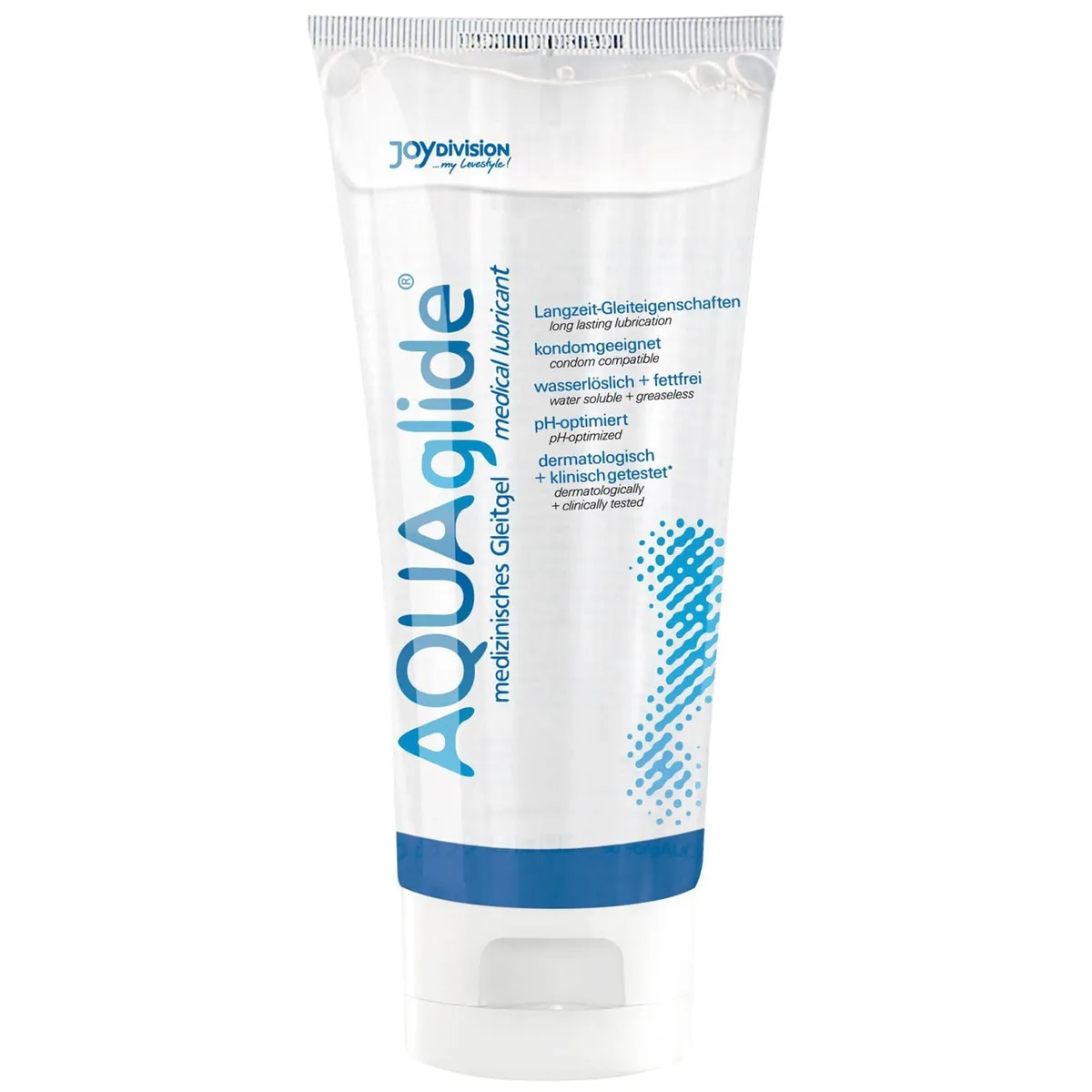
JOYDIVISION AQUAglide Neutral 200 ml
Good-value water-based lubricant with two ingredient lists in circulation
Category
No lubricants have been reviewed yet. Here you’ll find what applies in the category—the difference between water-based and silicone-based, what it’s worth reading in the ingredient list, and what a rating on a 0–10 scale is based on.
A desk review ranks its entire field based on five shared criteria.
Lubricant · Water-based
Good-value water-based lubricant with two ingredient lists in circulation
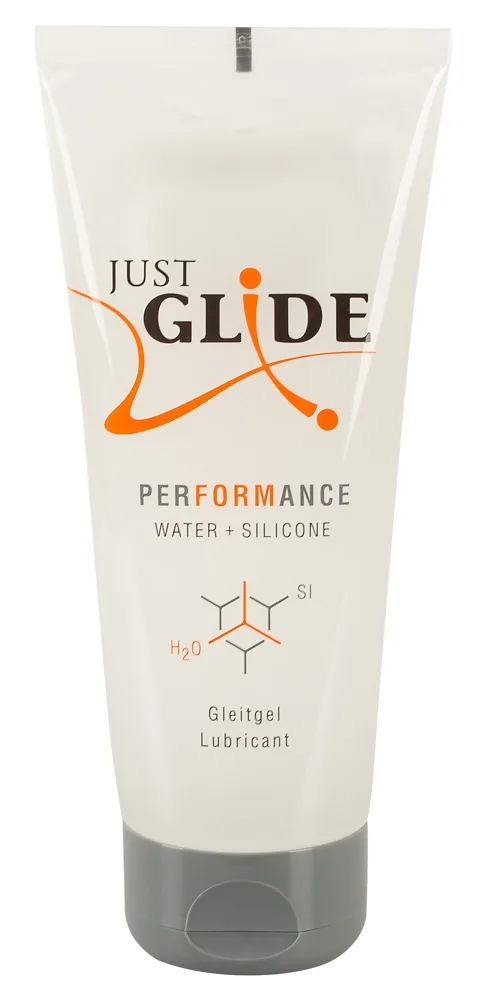
Lubricant · Hybrid
Inexpensive hybrid lubricant with full INCI but without CE marking
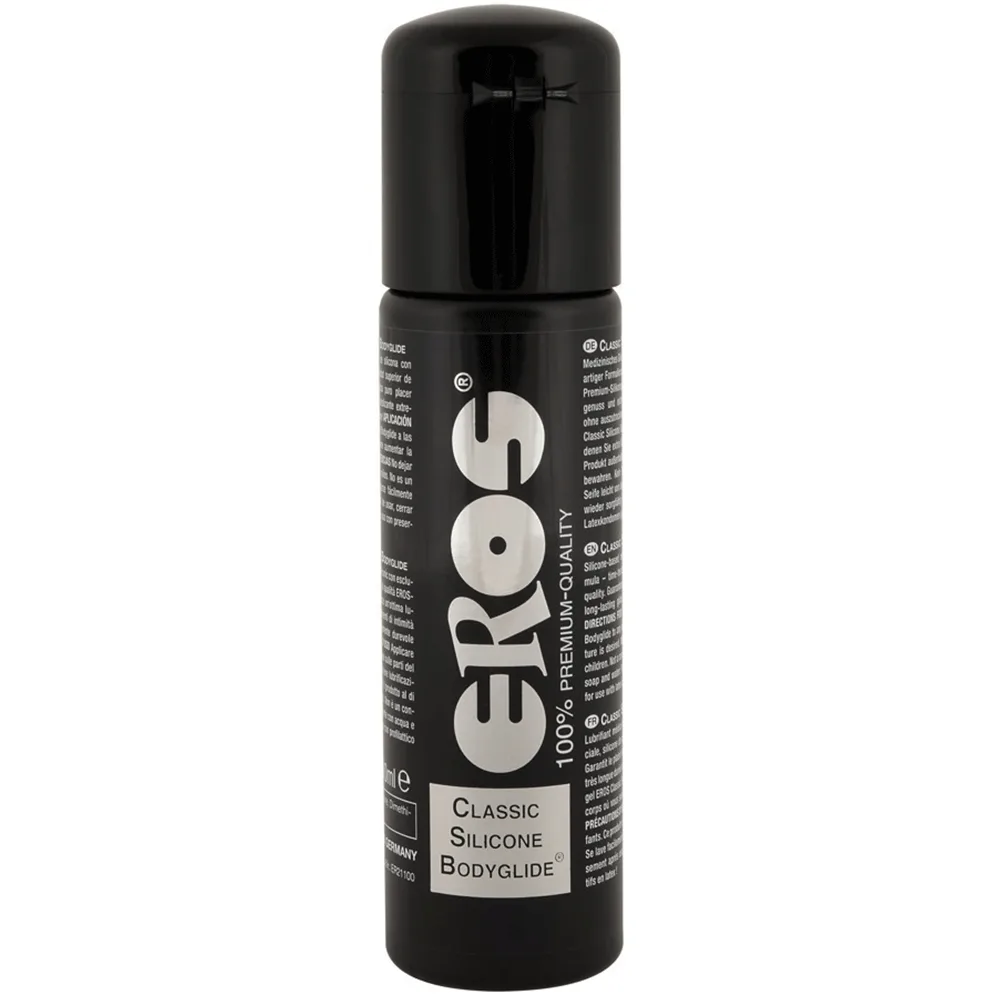
Lubricant · Silicone-based
Two ingredients, no water phase—but not for silicone toys
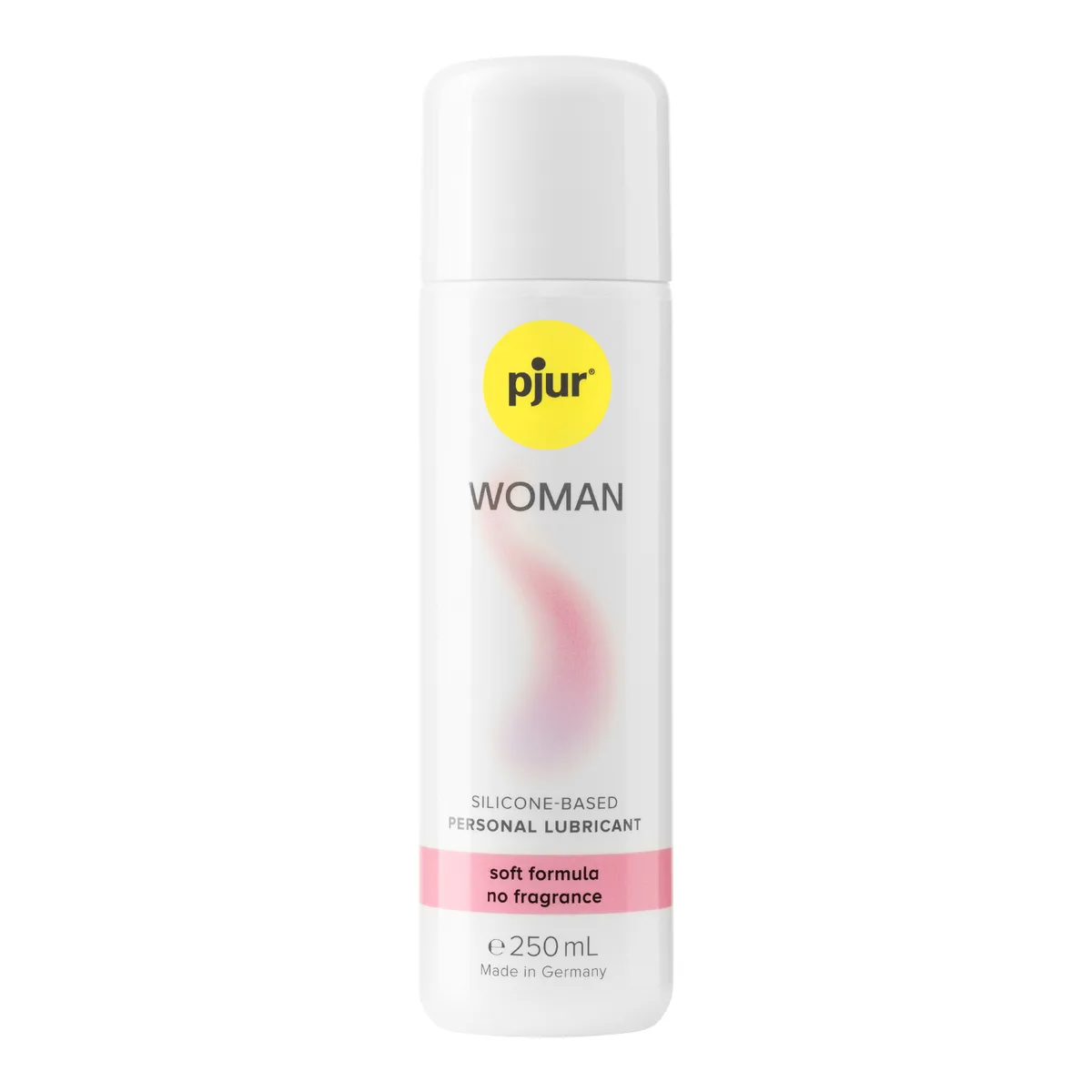
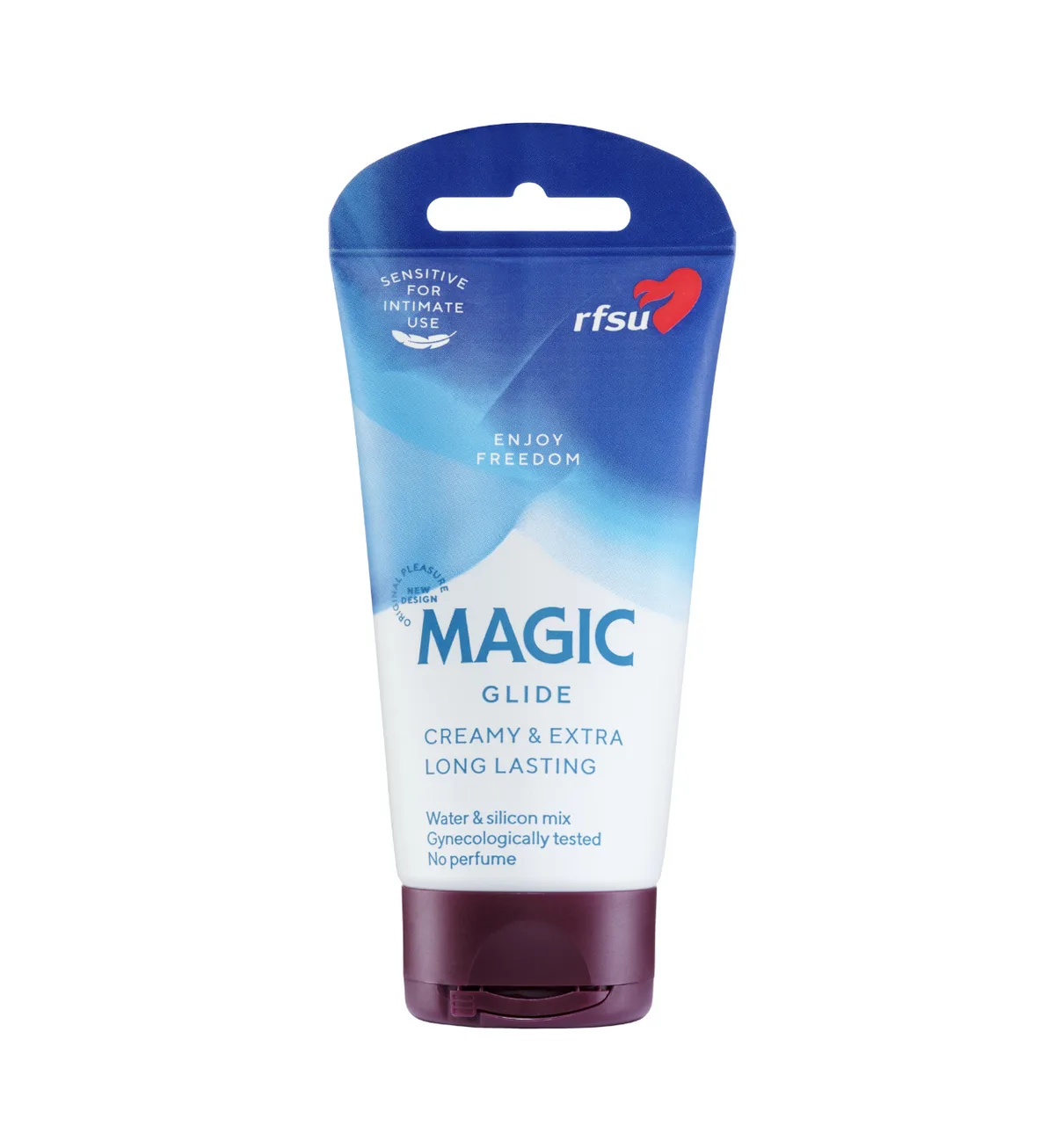
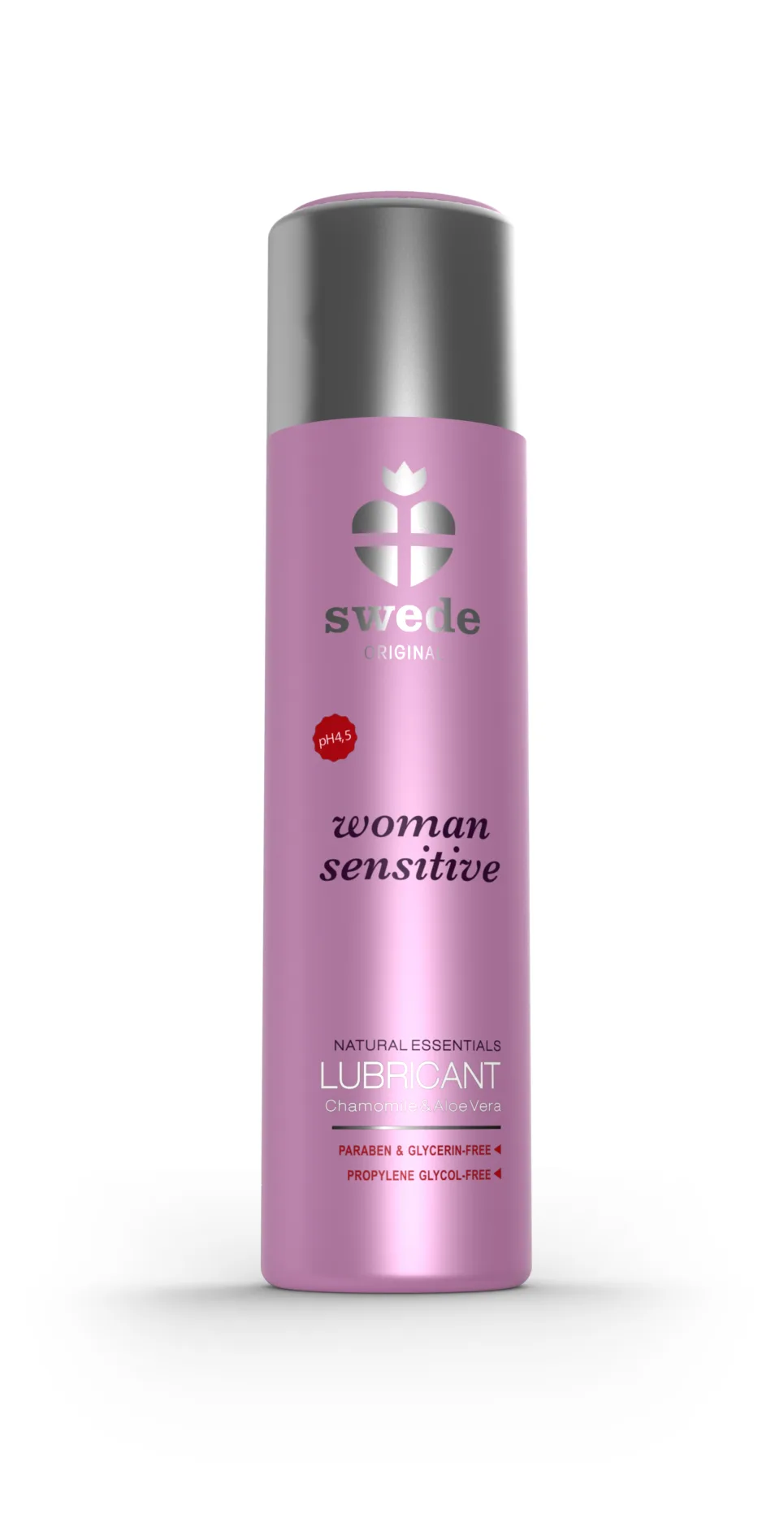
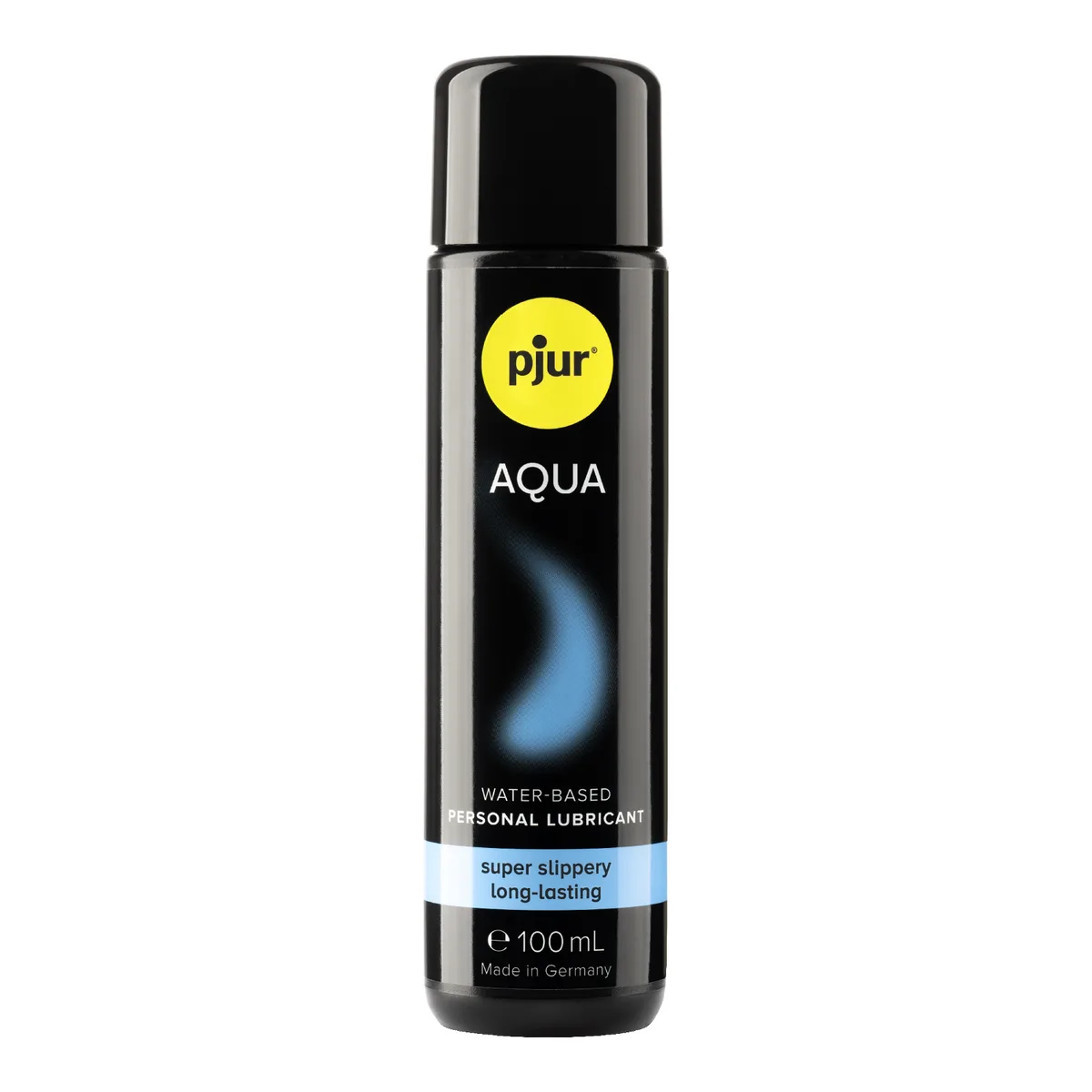
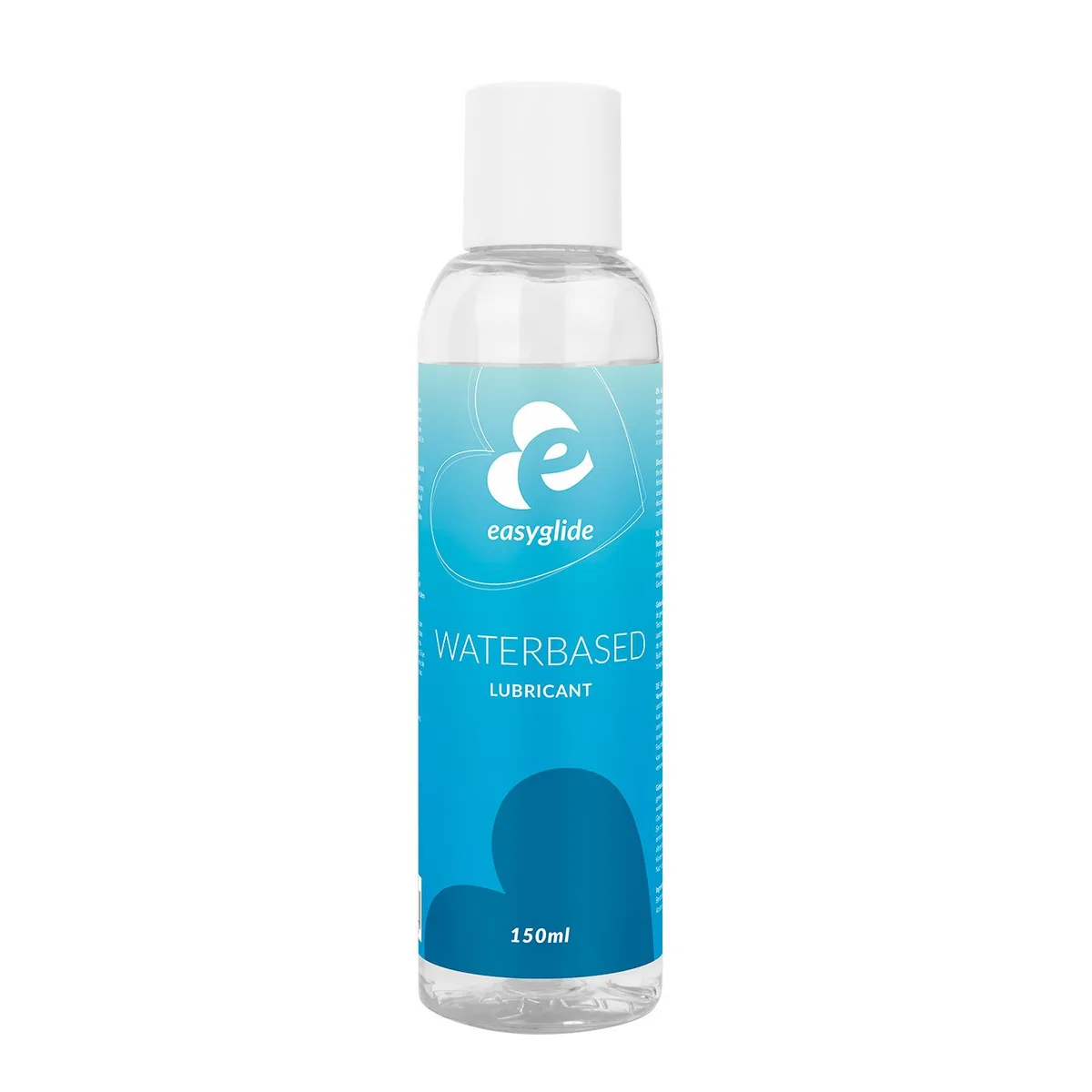
Lubricant · Water-based
Glycerin-free with pH 4,5 printed on the bottle—but expensive per milliliter
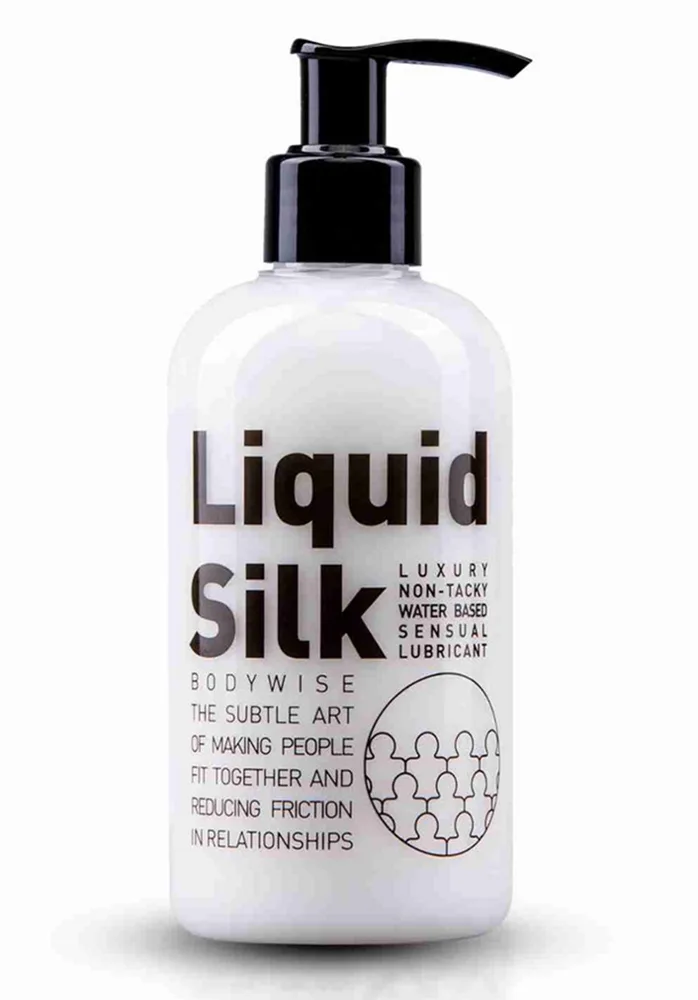
Lubricant · Hybrid
Creamy hybrid with full declaration — but parabens and high osmolality
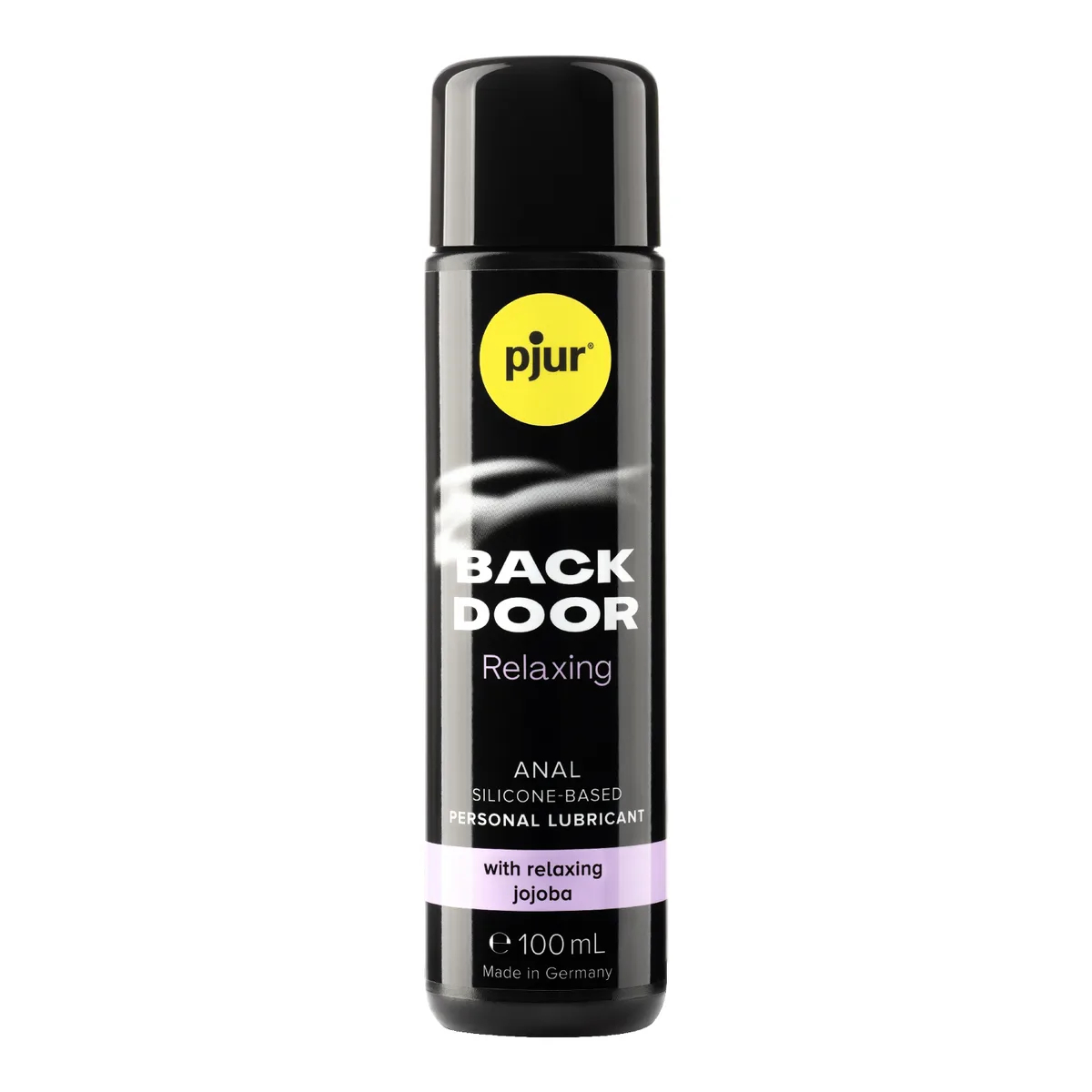
Lubricant · Silicone-based anal lubricant
Short declaration, over 98 % silicone
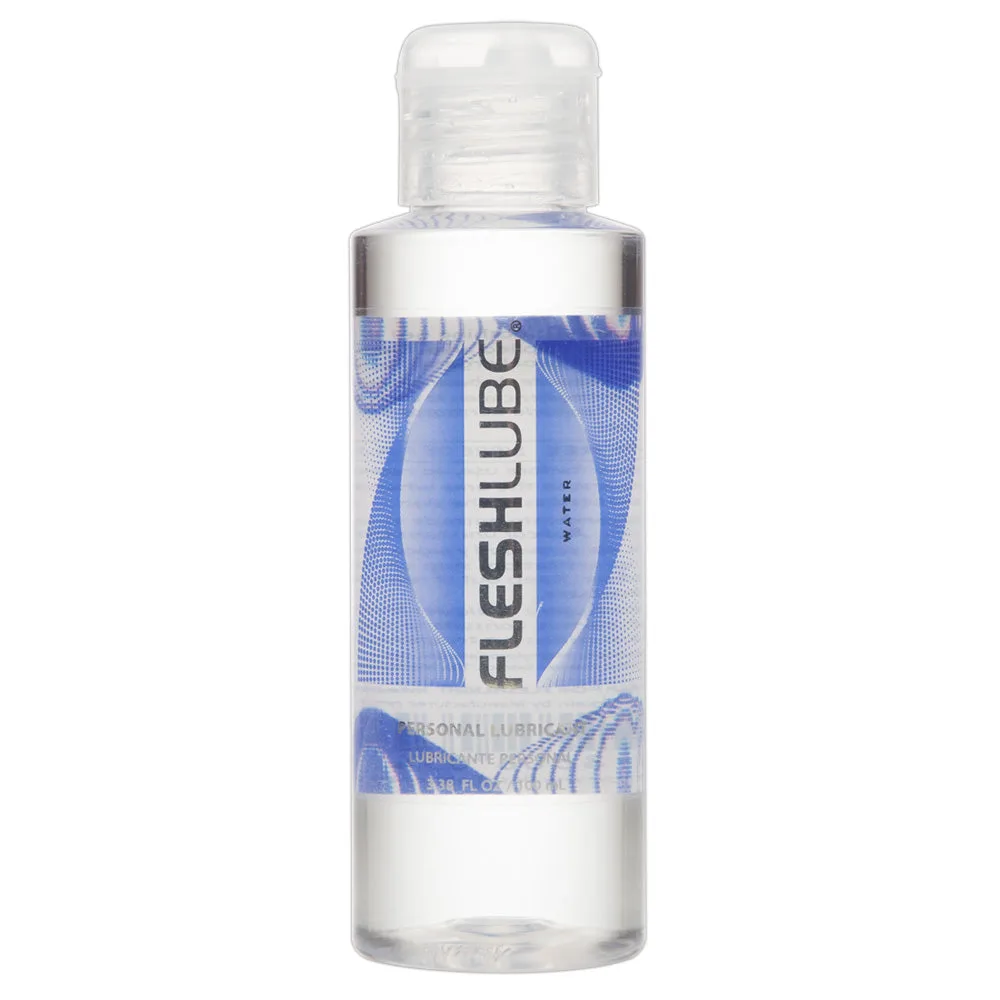
Lubricant · Water-based
Fleshlight’s own lubricant, but four different recipes in circulation
The rating is a weighted average of five criteria with the same weight, on a 0–10 scale with one decimal. Below 6.0, no product is recommended, regardless of price. The criteria are adapted to the category: a lubricant is not assessed for noise level and battery life, but for its ingredients, how long it stays smooth, how easily it washes off, which materials it works with, and what it costs per milliliter. Ratings can therefore be compared between two lubricants, but never against a product in a different category.
Each bottle is assessed using the same basis: the manufacturer’s published specifications and product manual, comparison against direct competitors in the same price range, and the current price at all Swedish shops that sell the item. No manufacturer is allowed to read the text in advance, and no shop can pay for placement. Where the manufacturer does not publish a value, it explicitly states instead of an estimate. The full basis is in that’s how I make the assessment.
A water-based lubricant works with all materials, washes off with water, and is what is used in all reviews on the site. A silicone-based lubricant stays smooth longer, but it can attack the surface of silicone products and should not be combined with them. Oil-based products break down latex and don’t go with condoms. Read the ingredient list: glycerin, fragrance, and colorants are the most common causes of irritation, and products that only state “natural ingredients” without providing a list aren’t included in the test, because the claim can’t be verified.
This page is machine-translated from Swedish. Read the Swedish original