Skip to content
Luvrate

Guide · Material

Safe materials in sex toys: silicone, TPE, glass, metal, and phthalates

The materials that are usually called body-safe are non-porous: silicone, glass, stainless steel, and hard plastic such as ABS. They can be made completely clean. TPE, TPR, PVC, and rubber are porous and can only be cleaned on the surface, even when they are phthalate-free. Within the EU, four common phthalates are limited to under 0.1 weight percent of the plasticized material in goods.

last updated
27 September 2026
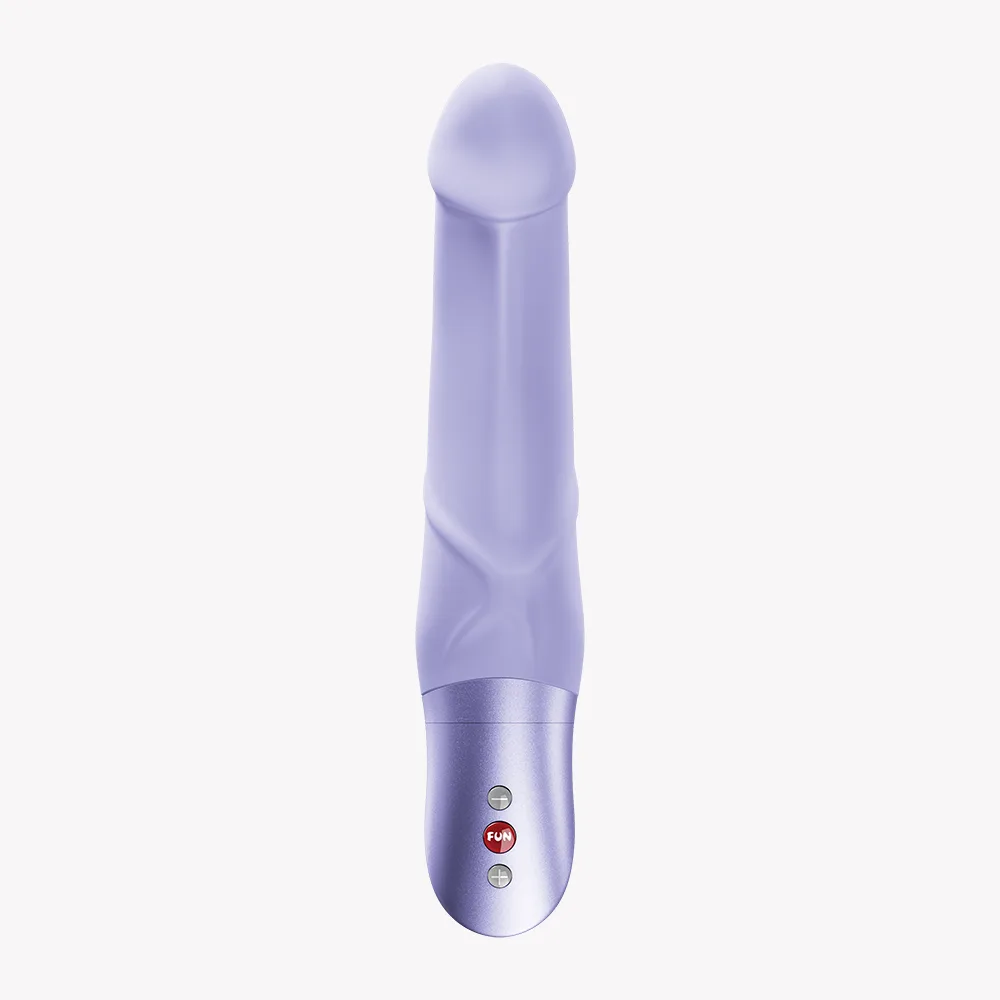
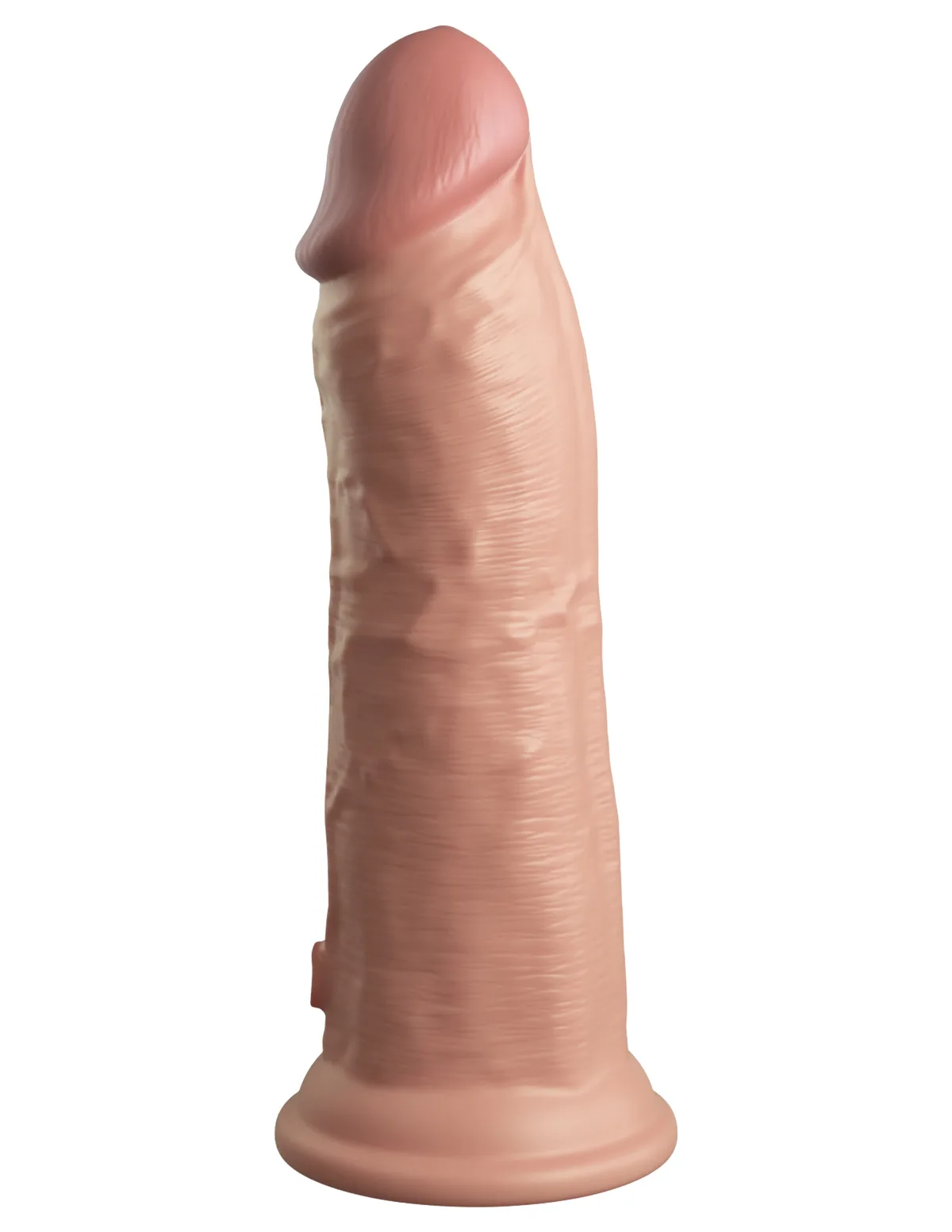
King Cock Elite, a realistic double-density silicone dildo with a suction cup

Short answer: which materials are safe in sex toys?

The most important question about a material is not whether it is “natural” or “medical,” but whether it is non-porous or porous. A non-porous material has a dense surface where bacteria, lubricants, and body fluids cannot penetrate. It can be washed completely clean and, in some cases, sterilized. A porous material has microscopic cavities that cannot be reached with soap and water.

Non-porous and therefore body-safe are silicone, glass (for example borosilicate glass), stainless steel, aluminum, and hard plastic such as ABS. Porous are TPE, TPR, PVC, jelly, and rubber, and the soft, skin-like materials used in masturbator sleeves.

The second question is about the chemistry: which plasticizers are found in soft plastics. Phthalates are plasticizers primarily used in PVC. Within the EU, the four phthalates DEHP, DBP, BBP, and DIBP have been limited in goods since 2020. “Phthalate-free” however only means those substances are not present—not that the material is non-porous.

Porous or non-porous—why it matters

A porous toy can look clean and still have bacteria on the surface. It has three practical consequences. First, it can’t be sterilized—only cleaned on the surface. Second, over time it can absorb odors and color. Third, it’s less suitable to share between people and to switch between anal and vaginal use.

That doesn’t mean porous materials are dangerous to use. It means they require more: careful cleaning and drying after every use, a condom if the toy is shared, and that it’s replaced when the surface starts to change. A non-porous toy is more forgiving.

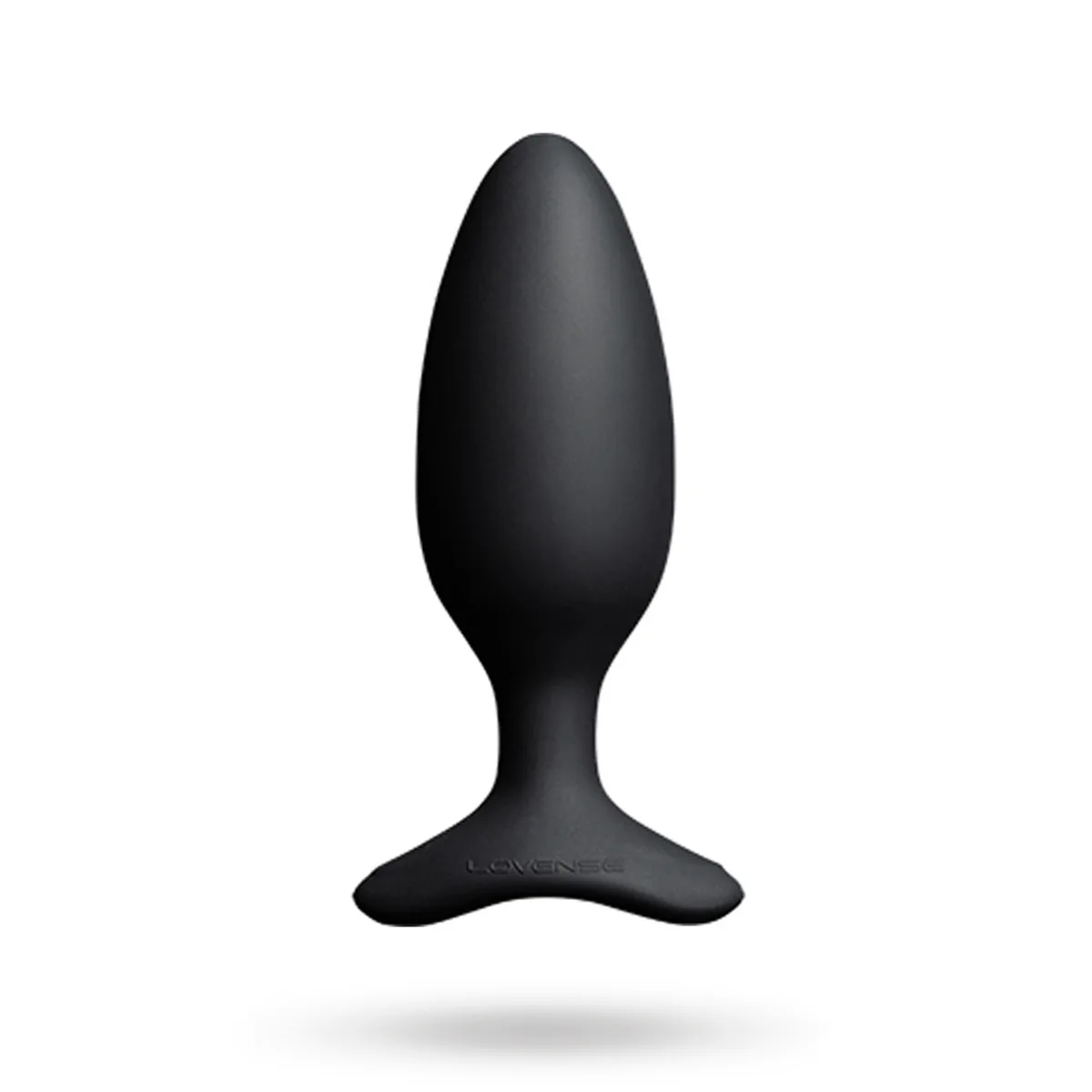
The same reasoning applies regardless of shape—dildo, vibrator, or plug. For anal use, it must also always have a flared base or a stop, regardless of material. See anal plug for beginners.

Silicone: the most common body-safe material

Silicone is porous, tolerates soap and water, and does not need any phthalates to become soft. ORION describes silicone in its material guide as odorless and phthalate-free, and easy to clean with warm water and soap—the only drawback being that it does not tolerate silicone-based lubricant. Therefore, silicone toys should be used with water-based lubricant if the manufacturer does not say otherwise.

Silicone comes in different grades and hardness levels. Double density means a softer surface around a firmer core: Pipedream describes King Cock Elite as "100% Elite Silicone" with a soft outer skin and a stiff inner core, while the basic line King Cock is made of PVC and King Cock Plus of TPE. The same brand can therefore include three completely different materials—read the material line, not just the name.

Also pay attention to combinations. Silexd specifies for Model 1 the material SILEXPAN in combination with platinum silicone. SILEXPAN is described by the material’s originator as a patented composite material used as filling behind a silicone skin. The manufacturer lists the product as non-porous and phthalate-free, and it is the surface that comes into contact with the body—but that is not the same as solid silicone all the way through.

There is no safe at-home method to determine whether a toy really is made of silicone. Rely on the manufacturer’s material declaration and avoid products that are only sold with vague terms like "body-friendly" without stating the material.

Silicone according to the manufacturer

Is TPE safe?

TPE (thermoplastic elastomer) and TPR (thermoplastic rubber) are soft, stretchable materials found in masturbators, penis sleeves, realistic dildos, and sex dolls. They are cheaper than silicone and can be made very soft and skin-like.

TPE is usually phthalate-free—ORION lists its TPE and TPR products as phthalate-free—but the material is porous. ORION also writes that the plasticizers in TPE, in the form of mineral oil, work their way out over time so the surface becomes oily in places, and that the material becomes firmer and perhaps more brittle with age.

So the answer is: TPE from a reputable manufacturer is not dangerous to use, but it’s a material that requires more care and has a shorter lifespan than silicone. Clean with lukewarm water, dry thoroughly, powder it again if the manufacturer recommends it, use a water-based lubricant, and use a condom if the toy is shared. For masturbators, TPE and similar materials are often the only option, because the sleeve has to be very soft.

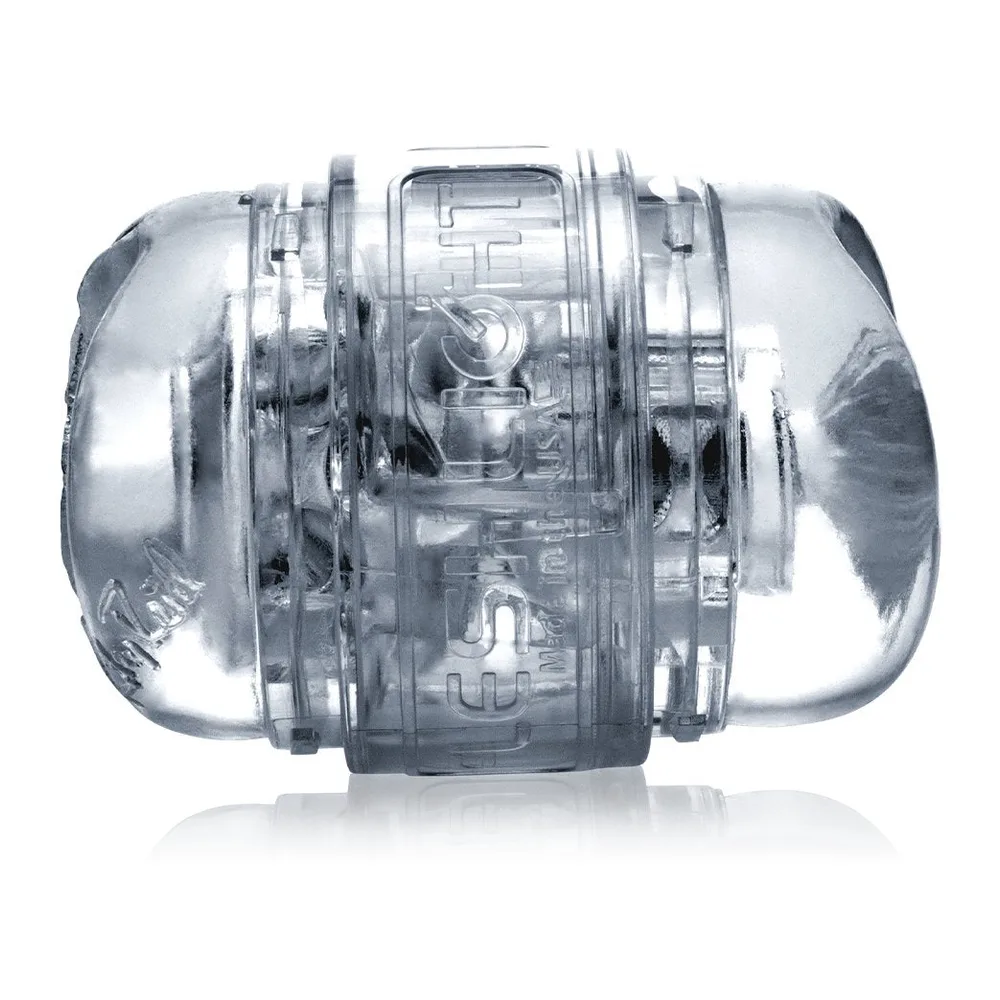
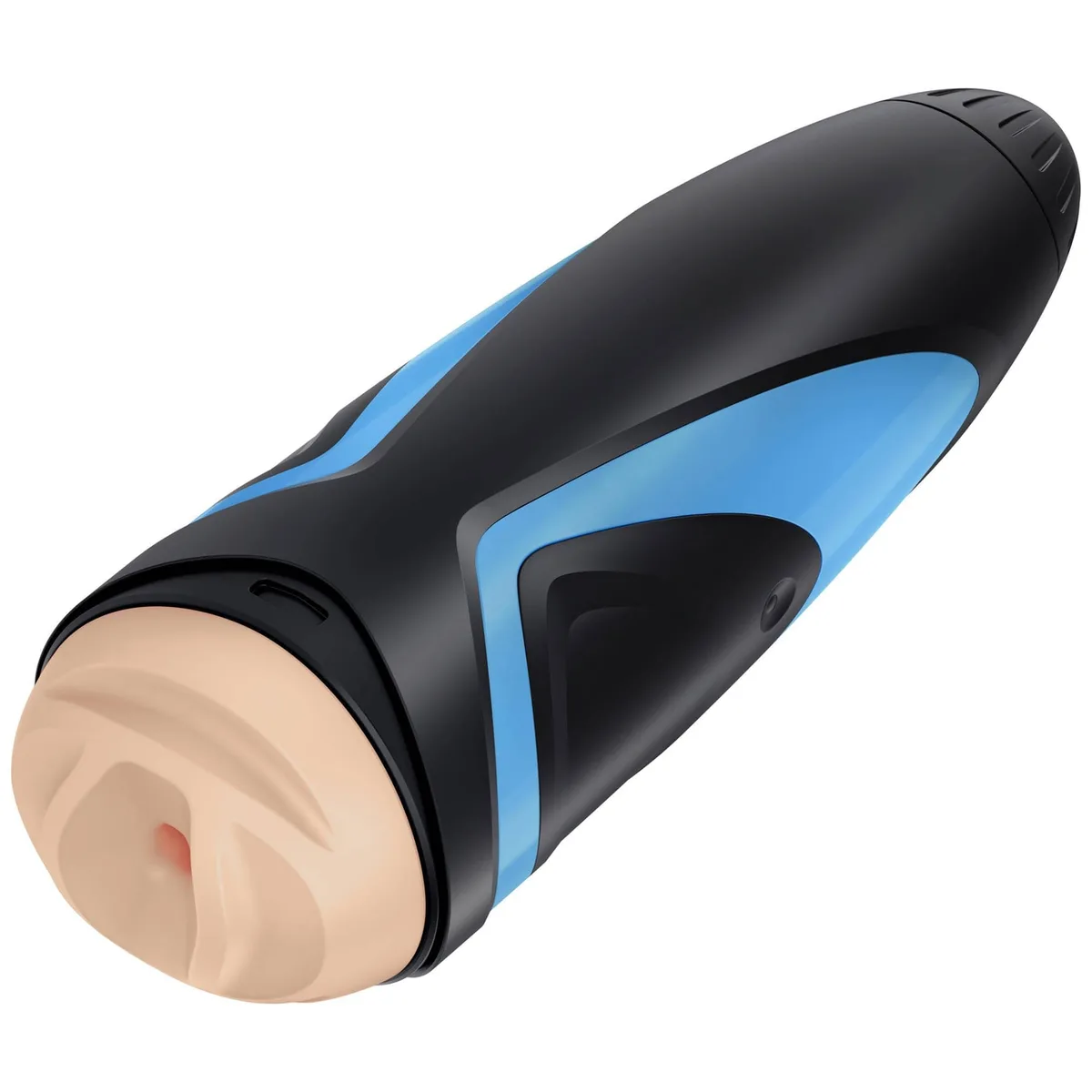
The names vary. Fleshlight calls its material SuperSkin and states that it is 100 percent phthalate-free. Satisfyer describes the sleeve in the Men One as cyberskin and lists in the quick guide the materials silicone, ABS, TPU, and TPE. Brand names don’t say what the material is—look for the actual material specification.

Soft materials—porous but phthalate-free

PVC, jelly, and latex

PVC is a hard plastic that only becomes soft once plasticizers are added, and it’s in plasticized PVC that phthalates have historically been used the most. That’s why PVC toys have gotten a bad reputation. PVC can also be made phthalate-free—ORION states its PVC is phthalate-free—but it is still porous. ORION writes that PVC sometimes has a strong smell at the beginning and needs to be protected from light.

“Jelly” is not a material designation but a description of soft, often translucent toys, which are typically made of PVC or TPE. Without a clear material specification, you don’t know what a jelly toy contains.

Latex is a natural material that can cause an allergy with skin contact, which ORION also points out. If you have a latex allergy, check both the toy and any condoms. Several manufacturers, including We-Vibe and Womanizer, explicitly state that their silicone is made without latex.

Phthalates: what “phthalate-free” means and what the EU says

Phthalates are a group of substances used as plasticizers in plastics. Within the EU, four of them—DEHP, DBP, BBP, and DIBP—are classified as reproductive toxicants and restricted under the REACH regulation. Under Regulation (EU) 2018/2005, products that contain the four phthalates at a concentration of 0.1 weight percent or more of the plasticized material, individually or together, may not be placed on the market after July 7, 2020.

The regulation justifies the restriction, among other things, by saying that exposure can occur when products come into contact with skin and mucous membranes. It lists PVC, polyurethanes, and several other polymers as plasticized materials. For electrical equipment, such as vibrators, the RoHS directive applies instead, which limits the same four phthalates. Both We-Vibe and LELO refer in their EU declarations to RoHS.

Three things are good to know. First, the EU rules apply to products sold within the EU; if you buy from other markets, you have to rely on the information from the manufacturer and the seller. Second, the rules limit four specific phthalates—“phthalate-free” on a package is a broader claim that only the manufacturer can stand behind. Third, phthalate-free doesn’t say anything about porosity: a phthalate-free TPE toy is still porous.

Silicone, glass, metal, and hard ABS need no plasticizers at all. That’s why these materials are the safest choice if you want to avoid the question entirely.

Glass: completely non-porous and tolerates all lubricants

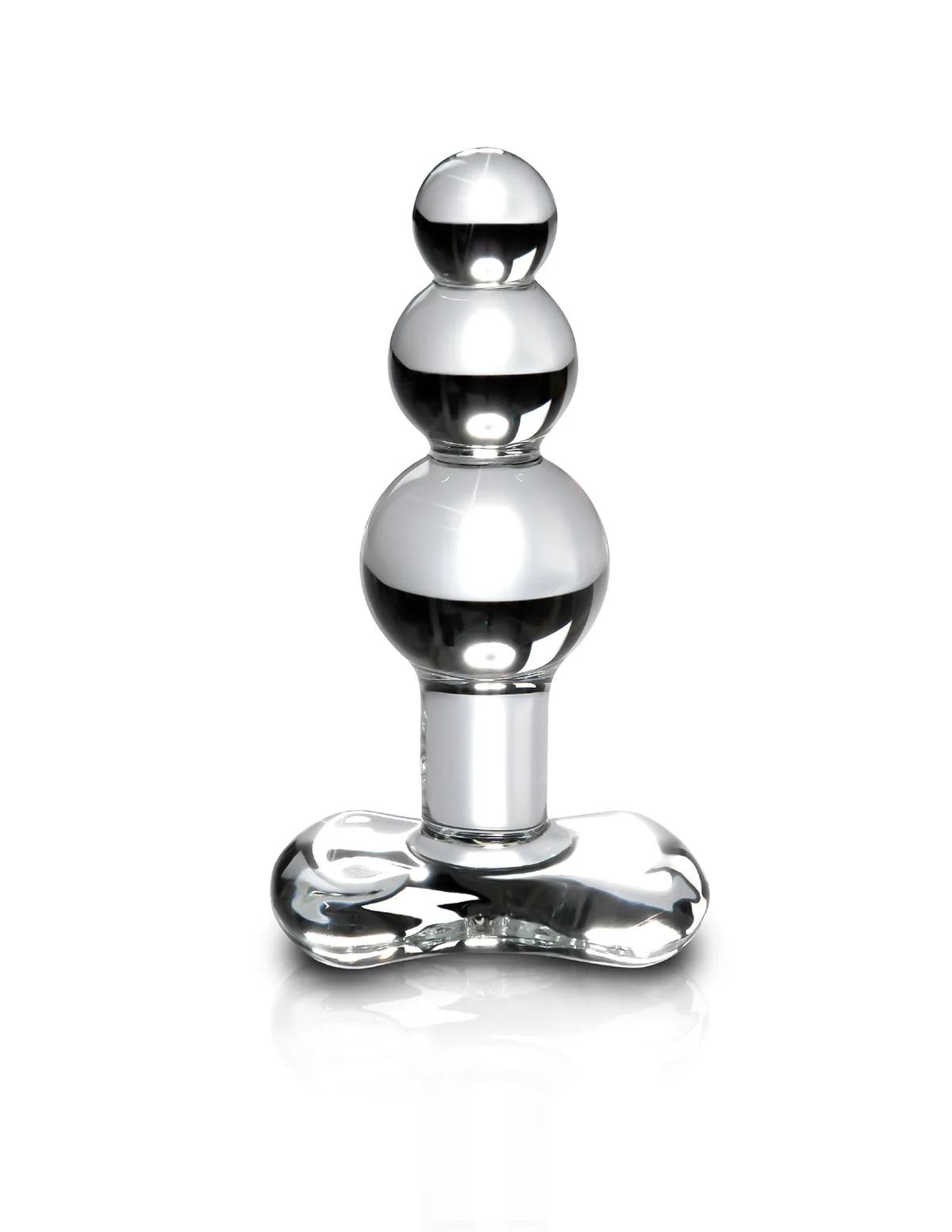
Glass is the easiest material to keep clean. The surface is completely non-porous; the glass doesn’t absorb odor or color according to ORION, and all types of lubricants work—also silicone lubricants and oil, if no latex condom is used. Glass also makes temperature play possible, since it can be heated or cooled in water.

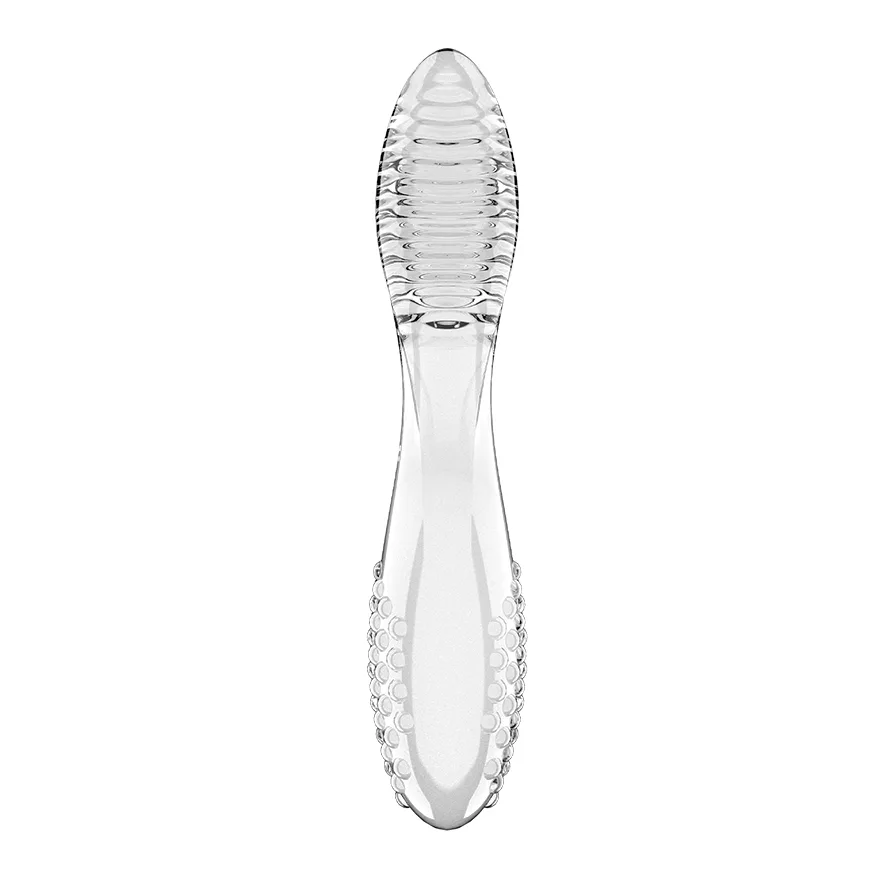
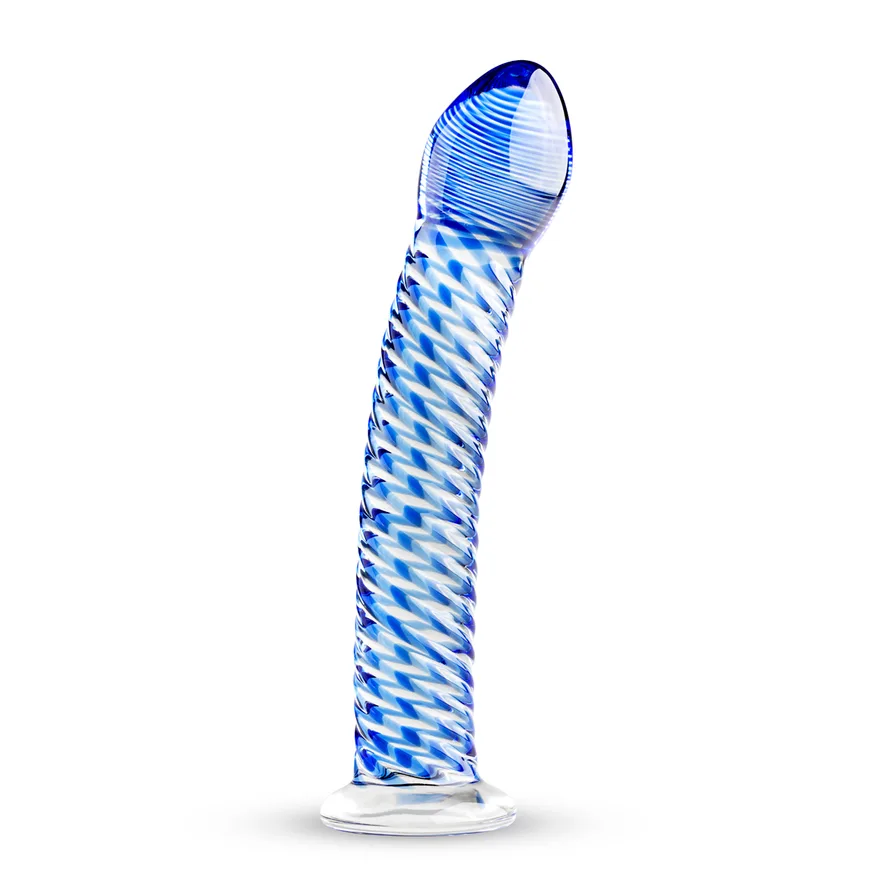
The glass in sex toys isn’t ordinary window glass. Satisfyer specifies solid borosilicate glass for Dazzling Crystal 2, Gildo tempered glass for Glass Dildo No. 5 and Pipedream hand-blown, non-porous glass for Icicles No. 47.

The risk with glass is mechanical. A crack, chip, or scratch can create a sharp edge, and a damaged glass toy should never be used. Avoid sudden temperature changes—ORION warns about thermal shock—and follow the manufacturer’s limits: Satisfyer allows at most 60 °C and prohibits boiling water and freezing for Dazzling Crystal 2. More about glass in are glass dildos safe and glass dildo best in test.

Glass according to the manufacturer

Metal: stainless steel and aluminum

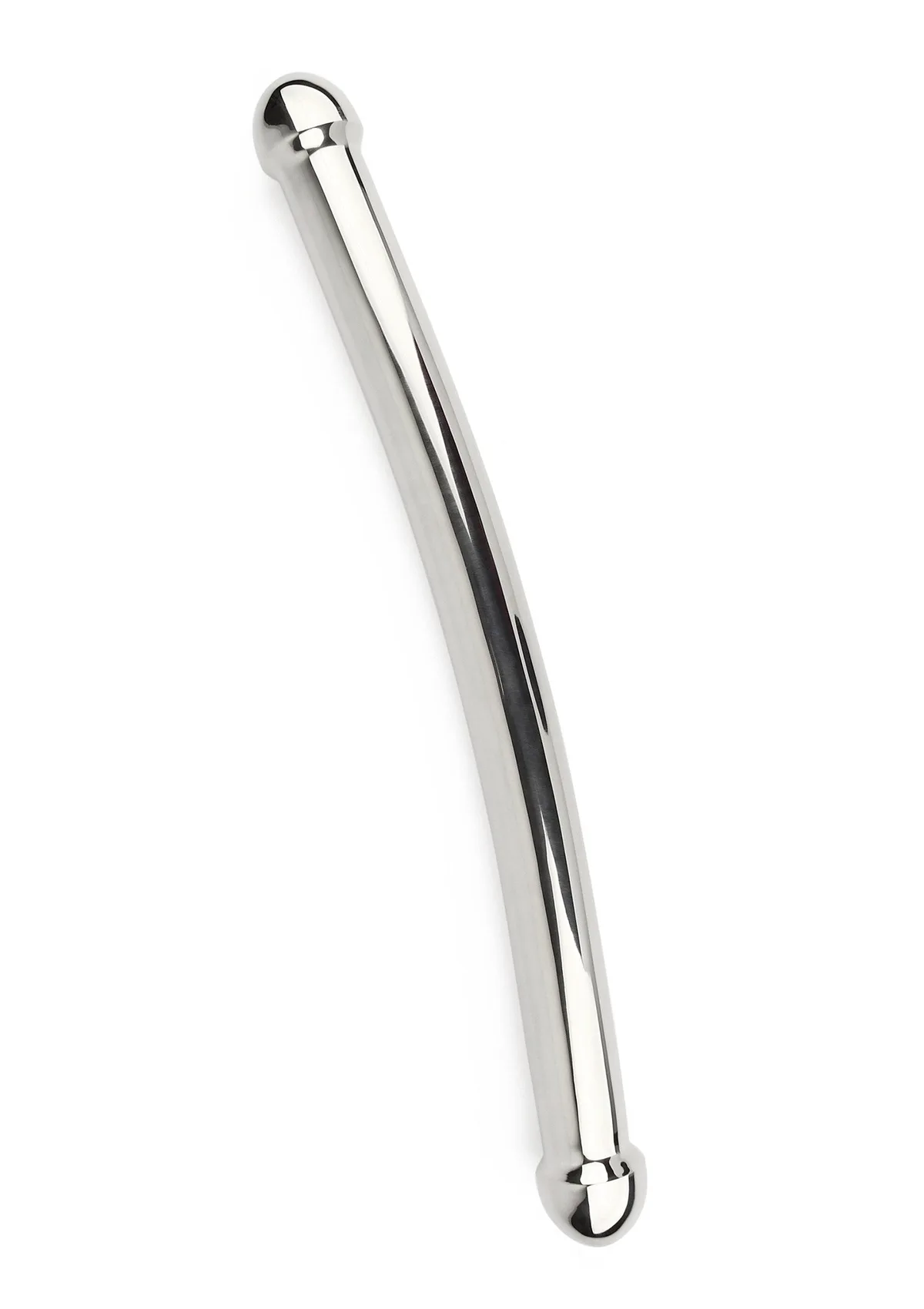
Metal is non-porous, tolerates all types of lubricants, and holds temperature, which makes it popular for temperature play. It is heavy, which some people appreciate in a plug or dildo. Mr. Steel describes its stainless steel as body-friendly, non-porous, easy to clean, and compatible with all lubricants.

However, metal is not a single material. EasyToys Fox Tail Plug No. 1 is stated by the manufacturer as copper and aluminum, while Mr. Steel Double Header is stainless steel. If you know you react to certain metals, check exactly which metal and which surface treatment are stated—and ask the seller if that information is missing.

Metal according to the manufacturer

Hard plastic and coatings

ABS is the hard plastic most vibrators have as a framework, often under a layer of silicone. ORION describes ABS as hard, durable, odor-free, and phthalate-free, and as a plastic that conducts vibrations well. ABS is non-porous and easy to clean.

Coatings are a weak point. ORION describes a PU coating that provides a velvety surface, which is sensitive to strong cleaning agents and massage oil, and writes that it can be worn away with rough cleaning. A worn coating should no longer be seen as pore-free.

Cleaning by material

Silicone without electronics: lukewarm water and mild, fragrance-free soap. Boiling only if the manufacturer explicitly allows it—never with a motor, battery, or a core made of another material.

Glass: soap and water. Dishwasher only if the manufacturer states it, as Pipedream does for Icicles No. 47. Follow the manufacturer’s temperature limits.

Metal: soap and water or a cleaning agent for sex toys. EasyToys states a soft cloth and toy cleaner for its metal plug.

TPE and other soft materials: lukewarm water, soap only where the manufacturer allows it—Fleshlight specifies soap only on the casing, never on the sleeve—careful drying and possibly powder.

Toys with a motor: according to the sealing class. IPX7 can be rinsed; lower class should be wiped dry.

The full walkthrough is in how to clean sex toys.

How to read the material information – checklist

1. Does it state an actual material? “Silicone,” “borosilicate glass,” “stainless steel,” or “TPE” is the clear answer. “Body-friendly,” “skin-like,” and “premium” is not.

2. Does it say 100% or a combination? “Silicone and ABS” is normal for a vibrator. A dildo listed as “silicone” but that also contains another material is a combination.

3. Is the information from the manufacturer? Retailers’ material details sometimes differ from the manufacturer’s. Base it on the manufacturer’s product page or packaging.

4. Is there a safety standard or declaration? LELO certifies its products against ISO 3533, the international safety standard for sex toys, and electronic toys sold within the EU must have an EU declaration of conformity.

5. Does the material fit the intended use? If the toy is to be shared or used anally, a pore-free material with a flared base is the safest. Compare models in realistic dildo best in test and anal plug best in test.

Common questions about materials in sex toys

Which material is safest for sex toys?
Porous materials: silicone, glass, stainless steel, and hard plastics such as ABS. They can be made completely clean and do not need softeners. Which of them suits you best depends on what you want—softness, weight, or temperature play.
Is TPE safe?
TPE from a reputable manufacturer is generally phthalate-free but porous. It can only be cleaned on the surface, and according to ORION it becomes oily, firmer, and brittle with age, and should not be shared without a condom. It is safe to use with proper care, but it lasts shorter than silicone.
What does phthalate-free mean?
That the material does not contain phthalates, a group of softeners that have primarily been used in PVC. Within the EU, four phthalates are limited to below 0.1% by weight of the plasticized material in goods. Phthalate-free does not mean that the material is porous.
Are jelly toys dangerous?
Jelly is not a material designation but a description of soft, often translucent toys, usually made of PVC or TPE. They are porous and may contain softeners. Choose a toy with a clear material specification instead.
How do you know if a sex toy is made of real silicone?
There is no safe at-home method. Rely on the manufacturer’s material declaration on the product page or packaging, and be cautious with products that are only described as “body-friendly” without an indicated material.
Which lubricant works with which material?
Water-based works with all materials. Silicone-based works with glass, metal, and hard plastic, but it can damage silicone toys. Oil-based works with glass and metal but not with latex condoms.
Can you be allergic to sex toys?
Latex can cause allergies with skin contact, and anyone who reacts to certain metals needs to check which metal a toy is made of. Stop using the toy if you get symptoms, and contact healthcare if they don’t go away.

About the author

Elin Sandberg Founder

I run the site. The reviews are produced with AI assistance, and every review is based on the manufacturer’s own specifications, product data sheets and price data from the shops that sell the product — all sources are listed at the bottom of the page and can be checked. I compare the models on what can actually be documented: material, dimensions, power levels, water-resistance rating, warranty and price. If you find a mistake, I want to know.
  • 395 reviewed products
  • Source-backed specifications
  • No sponsored placements

Sources

  1. The restriction of DEHP, DBP, BBP and DIBP to under 0.1% by weight of the plasticized material in articles after July 7, 2020, classification as reproductive toxicants, exposure via skin and mucous membranes, and the definition of plasticized material Commission Regulation (EU) 2018/2005 — EUR-Lex — checked 2026-09-27
  2. That the RoHS Directive limits, among other things, DEHP, BBP, DBP and DIBP in electrical and electronic equipment European Commission — RoHS Directive — checked 2026-09-27
  3. Material descriptions for silicone, ABS, PU, PVC, latex, TPE/TPR and glass, including phthalate-free, plasticizers in TPE, latex allergy and thermal shock ORION Wholesale — material guide (Material Information) — checked 2026-09-27
  4. That the King Cock base series is PVC, King Cock Plus is TPE, and King Cock Elite is silicone Pipedream Products — overview page for the King Cock series — checked 2026-09-27
  5. Double-density silicone, soft outer skin, rigid core, and suction cup for King Cock Elite Pipedream Products — official product page, King Cock Elite 8" (Tan) — checked 2026-09-27
  6. The material SILEXPAN in combination with platinum silicone, pore-free and phthalate-free, for Model 1 SILEXD — official product page, Model 1 7" — checked 2026-09-27
  7. The description of SILEXPAN as a composite material and filler behind a silicone skin SILEXPAN — What is SILEXPAN®, CNEX.AIE S.L. — checked 2026-09-27
  8. Material declaration 100% medical-grade silicone, non-porous, free from plasticizers, BPA and phthalates Fun Factory — FAQ — checked 2026-09-27
  9. That SuperSkin is stated to be 100 percent phthalate-free and only water-based lubricant for Riley Reid Quickshot Fleshlight — official product page, Riley Reid Quickshot — checked 2026-09-27
  10. Soap only on the outer casing and never on the sleeve Fleshlight — official cleaning and care guide — checked 2026-09-27
  11. Material list: silicone, ABS, TPU, and TPE for Men One Satisfyer — Men One Quick Start Guide (PDF) — checked 2026-09-27
  12. Borosilicate glass, up to 60 °C, and prohibition against boiling water and freezing for Dazzling Crystal 2 Satisfyer — Quick Start Guide for Dazzling Crystal 2 (PDF) — checked 2026-09-27
  13. Tempered glass, 100 percent body-safe, and all types of lubricants for Gildo ONE-DC (EDC) — the manufacturer’s packaging image GIL544BLU_7 — checked 2026-09-27
  14. Hypoallergenic, non-porous glass, and dishwasher cleaning for Icicles No. 47 Pipedream Products — archived datasheet PD2947-00 — checked 2026-09-27
  15. Stainless steel that is body-friendly, non-porous, and compatible with all lubricants Mr. Steel — the brand’s official website — checked 2026-09-27
  16. The material is stainless steel, and the packaging is in a fabric bag for Double Header Scala 2.0 — product page, Mr. Steel Double Header — checked 2026-09-27
  17. The material is copper and aluminum, and suitable lubricants for Fox Tail Plug No. 1 Gold EasyToys — official product page, Fox Tail Plug No. 1 Gold — checked 2026-09-27
  18. Cleaning with a soft cloth and toy cleaner for Fox Tail Plug EasyToys — packaging image ET158GLD_5 — checked 2026-09-27
  19. Silicone free from phthalates and BPA, and manufactured without latex We-Vibe — official product page, Tango X — checked 2026-09-27
  20. EU declaration with reference to RoHS 2011/65/EU and 2015/863 for Tango X We-Vibe — EU Declaration of Conformity, Tango X (PDF) — checked 2026-09-27
  21. The materials are free from phthalates, BPA, and latex Womanizer — warranty page — checked 2026-09-27
  22. EC declaration for Sona 2 with RoHS 2011/65/EU and 2015/863/EU LELO — Regulatory Compliance — checked 2026-09-27
  23. LELO's certification to ISO 3533, the safety standard for sex toys LELO — ISO 3533 Certificate — checked 2026-09-27