7.6
Two AAA batteries
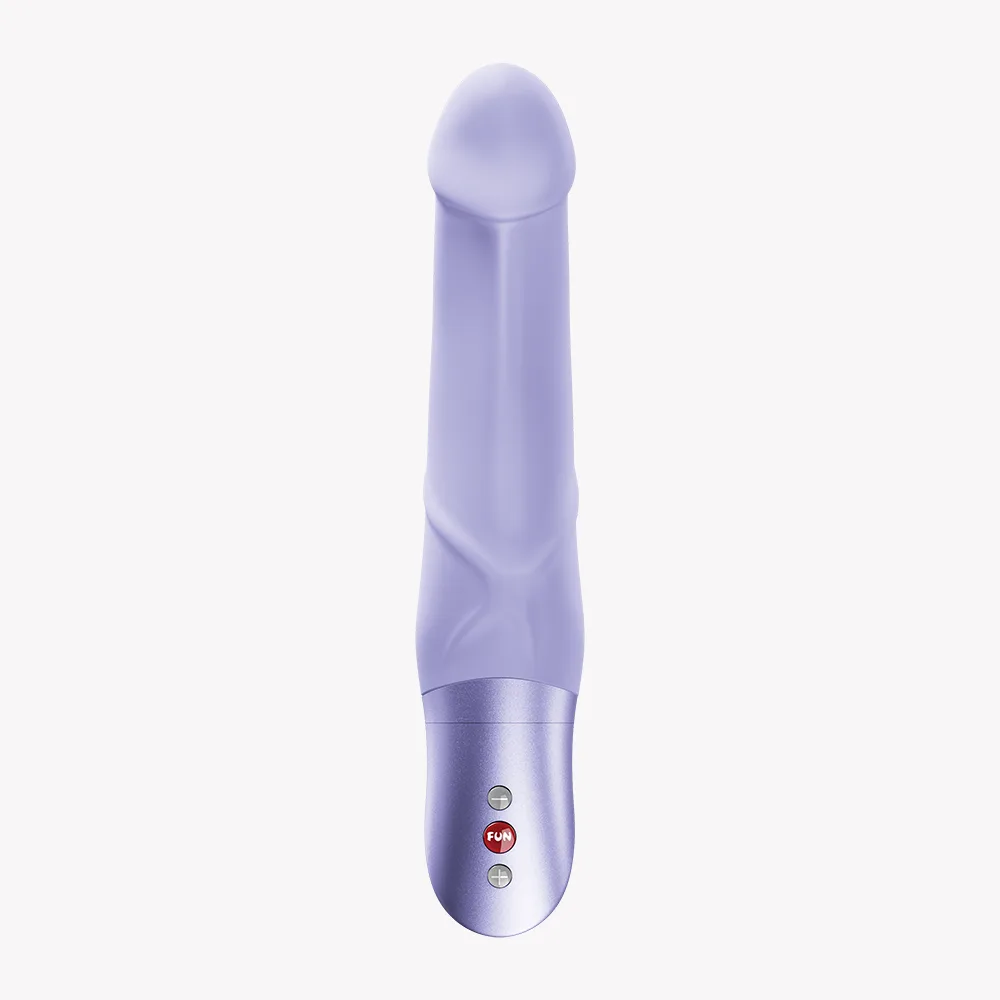
Fun Factory Mr. Boss
Powered by two standard AAA batteries, so a worn battery is replaced in a minute. IPX7 with a closed battery compartment and 24 months’ warranty, 25 years when purchased directly from Fun Factory.
Guide · Care
A sex toy without electronics in glass, metal, or silicone can last for many years if it’s cared for properly. A rechargeable vibrator is most often limited by its built-in lithium-ion battery, which gradually loses capacity over time and is rarely replaceable. The manufacturers’ warranties—from one year with Lovense to fifteen years with Satisfyer—say more about the terms than about service life.
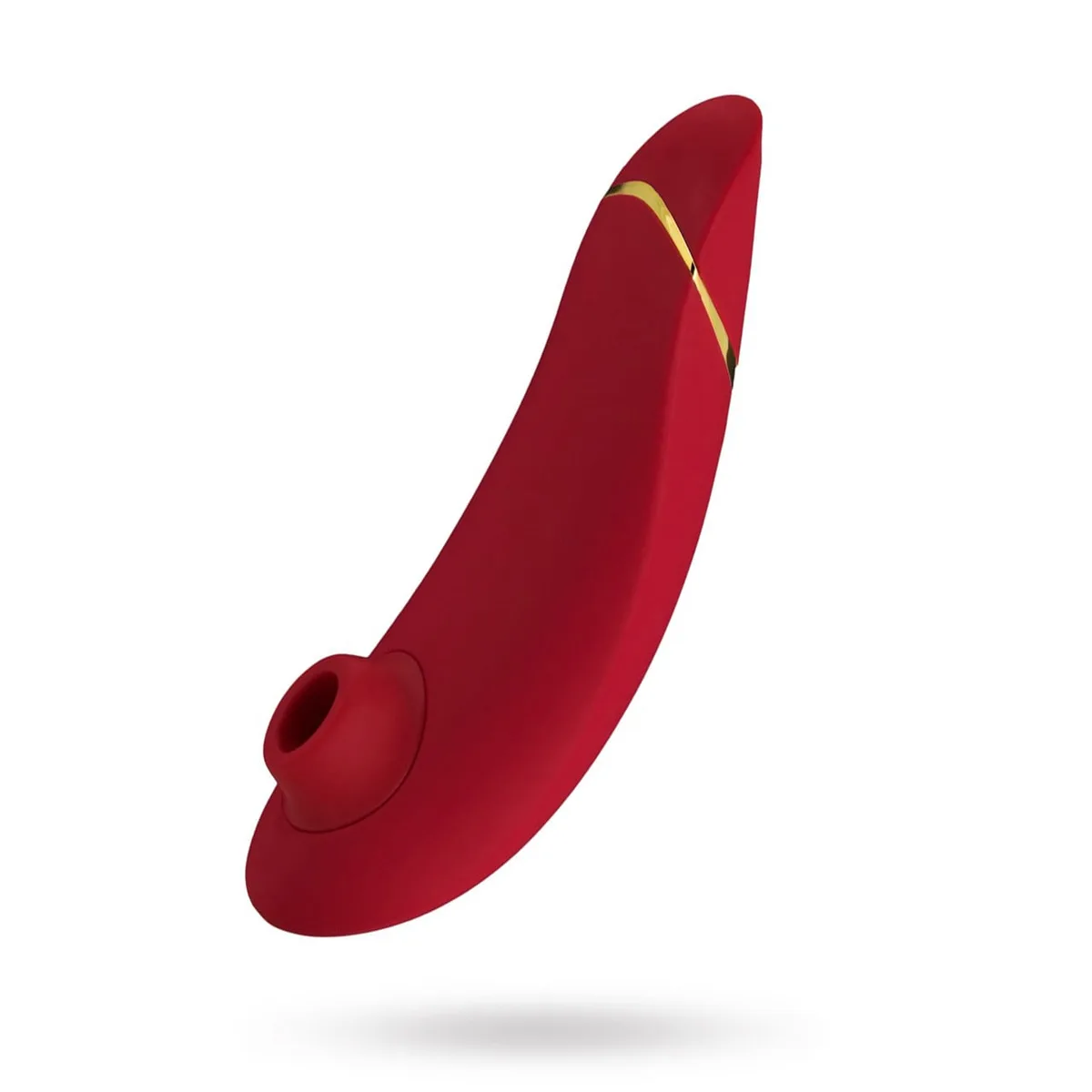
There is no single answer this year, and no manufacturer in our review publishes an expected service life. Three things determine it: whether the toy has a battery, which material it’s made of, and how it’s cared for.
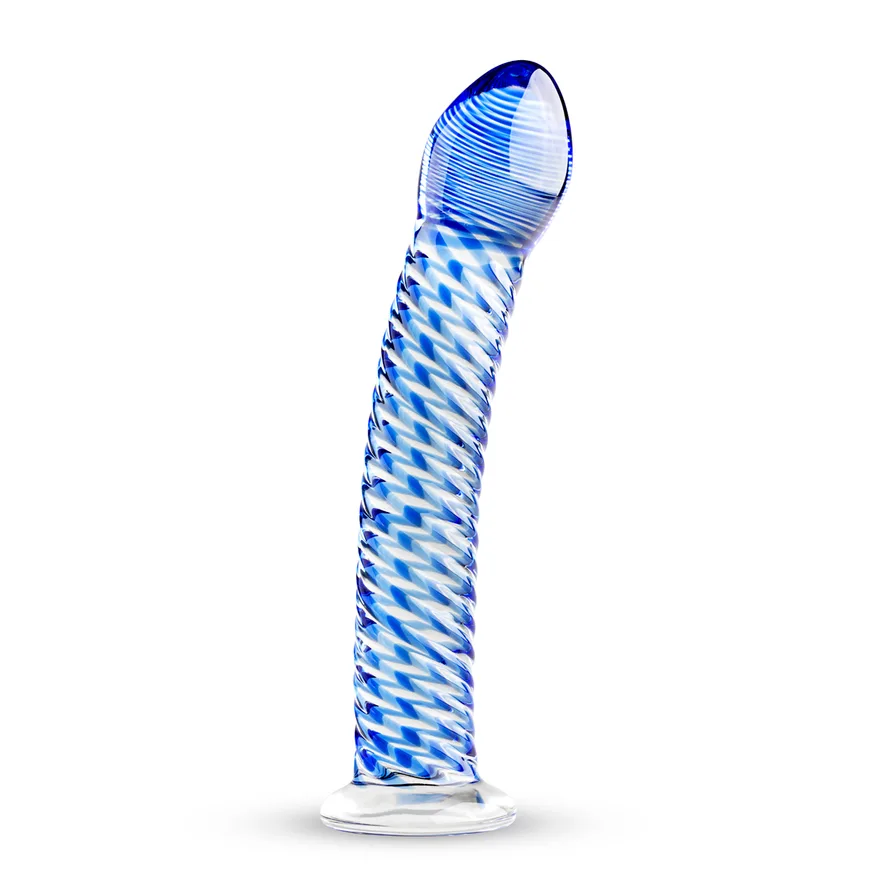
A toy without electronics has nothing that wears out by itself. Pipedream writes that the glass in Icicles No. 47 should last a lifetime, and Mr. Steel says the same about its stainless steel. As long as the surface is intact and the cleaning follows the manufacturer’s instructions, there is no time limit.
A rechargeable vibrator has a built-in lithium-ion battery, and it’s most often the part that runs out first. The capacity decreases gradually with the number of charging cycles. Womanizer, We-Vibe, Arcwave, Svakom, and Lovense all state in their manuals that the battery is not replaceable—so once the battery no longer lasts long enough, the toy is, in practice, used up.
The material determines the rest. Silicone, glass, and metal age slowly. Soft materials like TPE and TPR, according to ORION, become firmer and maybe brittle over time, and plasticizers can seep out so that the surface becomes oily.
Almost all modern vibrators have a lithium-ion or lithium-polymer battery. Capacity is given in milliampere-hours (mAh), and it varies a lot between products. LELO lists 1,000 mAh for the wand LELO Switch, Arcwave 700 mAh for Ion 2, LELO 520 mAh for Sona 2, Svakom 350 mAh for Echo 2, and Satisfyer 220 mAh for the small Traveler.
mAh doesn’t tell you how long the toy lasts overall, only how much energy the battery holds when it’s new. Runtime per charge also depends on the motor: Satisfyer states about 60 minutes of use on 500 mAh for Pro 2 Generation 3, while LELO states up to two hours on 420 mAh for Liv 3.
A charging cycle is basically a full discharge and recharge. Lithium-ion batteries lose a bit of capacity with each cycle, and after a while it shows up as shorter runtime. None of the manufacturers publish how many cycles the battery in a given vibrator can handle in our review—neither Womanizer, Satisfyer, LELO, nor Fun Factory. That’s why it’s not possible to say how many years a battery lasts, and you should be skeptical of anyone who claims it.
What you can say is that usage determines it. A vibrator that’s charged every day will have more cycles than one used once a week, and a product with long runtime per charge needs fewer cycles for the same amount of use.
Use the charger the manufacturer specifies. Svakom requires a 5 V charger and prohibits fast charging for Echo 2. Most vibrators charge via USB with 5 V.
Don’t leave the toy charging unnecessarily. ORION writes in the customer information for the Cuties Mini Vibrator that the product should be unplugged as soon as it’s fully charged.
Also don’t leave it completely discharged for long. We-Vibe recommends in the manual for Tango X that the product is charged regularly, and ORION supplies the lithium batteries for the Cuties Mini Vibrator charged to 40–50 percent for shipping purposes.
Avoid heat and cold. Satisfyer states in the quick guides for, among others, Pro 2 Generation 3, a storage temperature of −5 to +60 °C, and We-Vibe sets a temperature limit of 45 degrees. Don’t leave the toy in a hot car or on a radiator.
Let it cool down between sessions. LELO automatically turns off its products after 20 minutes, according to the Sona 2 manual, so the motor doesn’t overheat.
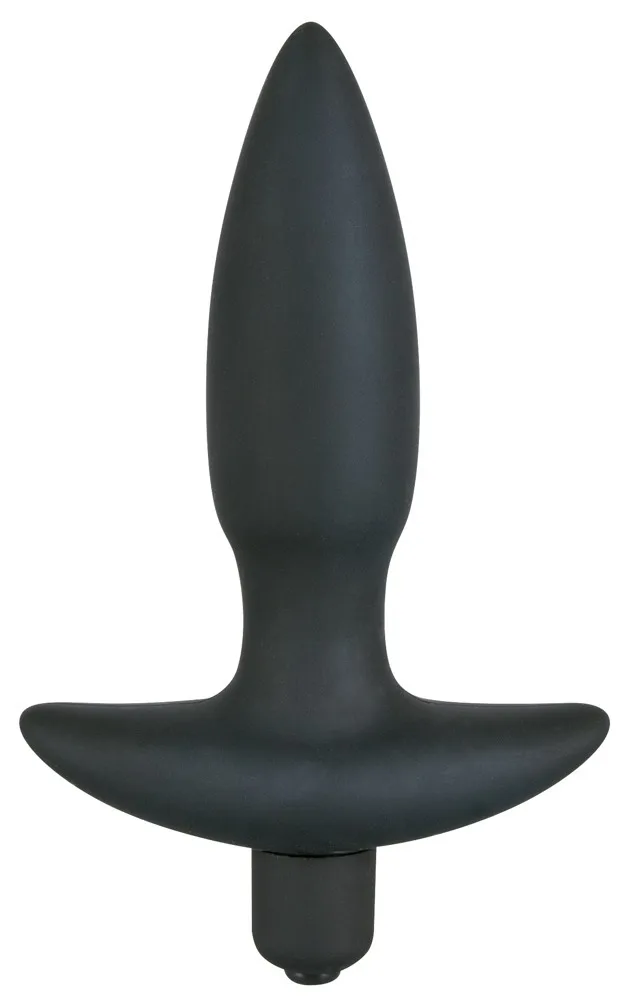
The warranty is the closest thing to a sustainability promise there is, but the terms differ more than the year numbers suggest. Here’s what the manufacturer warranties look like for some of the brands we’ve reviewed:
Lovense: one year from the time of purchase. Normal wear and tear is not covered.
We-Vibe and Arcwave: two years. We-Vibe’s warranty applies for at most two years after manufacture and excludes wear parts such as gaskets and consumable materials like batteries and charging cables.
LELO and Svakom: two years, plus a so-called ten-year quality warranty. For both of them, the latter is not a warranty in the usual sense, but a 50 percent discount on a new purchase. LELO also offers twelve months of extended warranty for products with a built-in battery, if the product is registered within 30 days.
Womanizer: five years, or 60 months, but stimulation peaks and charging cables are counted as wear parts that are not covered.
Satisfyer: fifteen years, but the warranty starts only when the statutory warranty period in the buyer’s country has expired, and the battery is expressly excluded.
Fun Factory: 24 months for all toys and 25 years for toys purchased directly from Fun Factory, with a receipt.
Notice the pattern: the longest warranties often exclude exactly the battery, which is the part that wears out the most. A long warranty is still a sign that the manufacturer stands behind the motor and electronics, and it’s worth something if a manufacturing defect turns up after a few years. In addition to the manufacturer’s warranty, you have the statutory right to complain about faults that applies where you buy. Save the receipt—almost all manufacturers require it, and LELO also requires registration with the serial number.

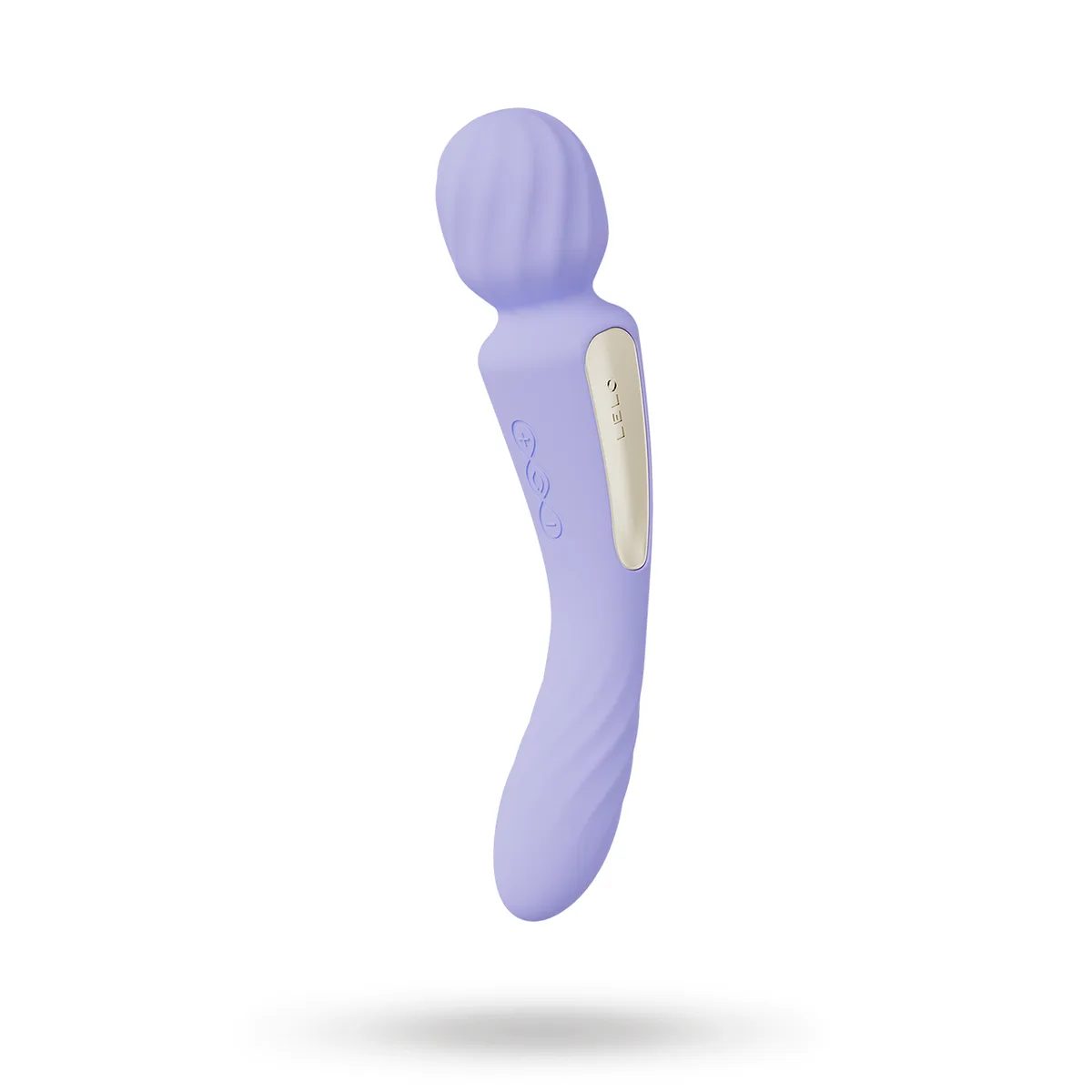
Silicone is stable and can handle soap, water, and water-based lubricant. What damages silicone is mainly silicone-based lubricant, which can make the surface sticky or uneven, and sharp objects such as nails and jewelry. Arcwave states that for its CleanTech silicone, material stability is from about −30 to 170 °C, but it still forbids boiling the Ion 2 because of the electronics.
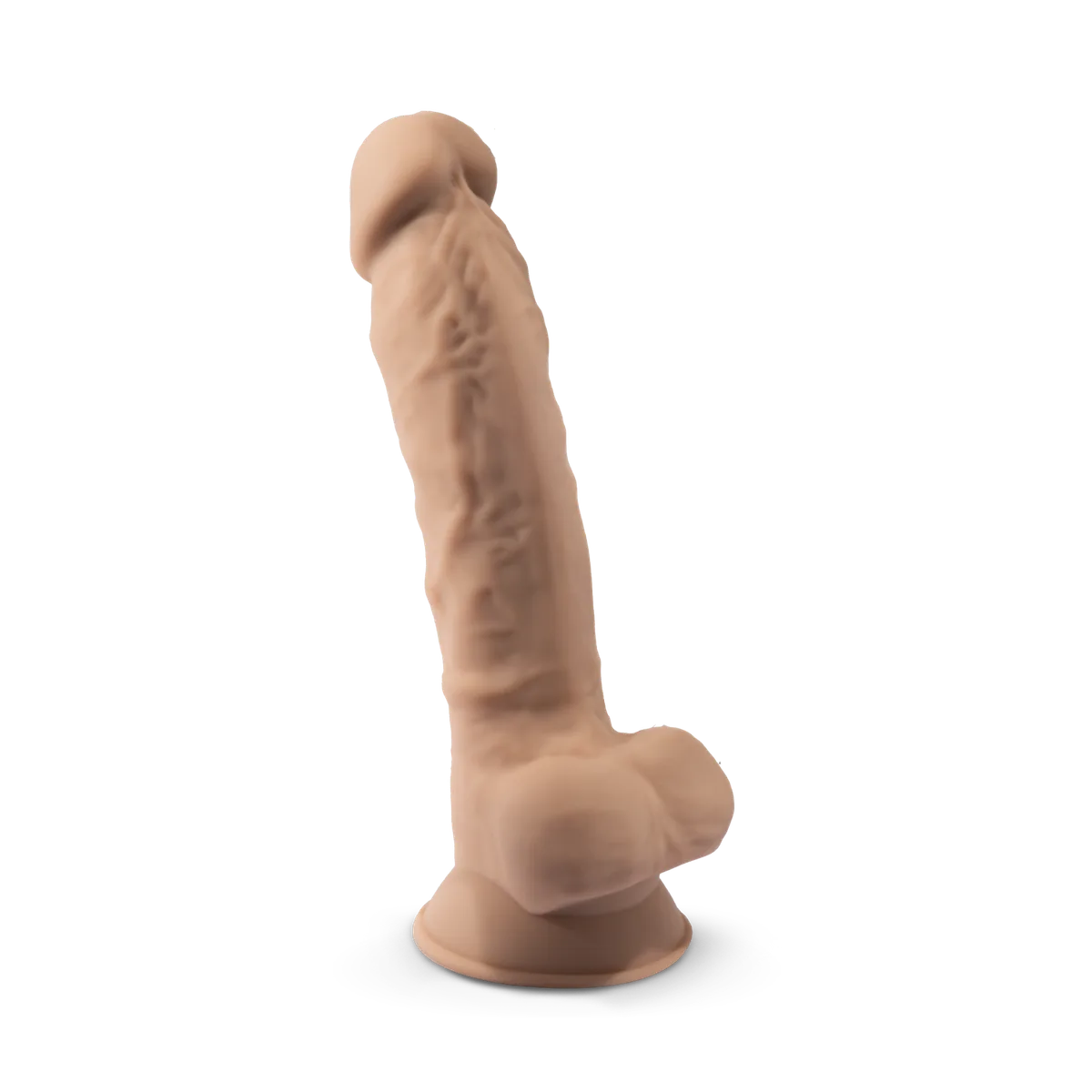
TPE and TPR are soft and cheaper, but they age faster. In its material guide, ORION writes that plasticizers (mineral oil) work their way out over time so that the surface becomes oily in places, and that the products become firmer and maybe brittle as they age. The material is porous, so it can also absorb odors and become discolored.
Glass and metal wear down almost not at all, but they can be damaged. Glass can crack or chip if it’s dropped or exposed to rapid temperature changes—ORION warns about thermal shock—and a damaged glass sex toy should never be used.
Surface coatings are a weak point. ORION describes a PU coating that gives a velvety surface on certain toys as sensitive to strong cleaning agents and massage oil, and writes that it can be worn away with overly rough cleaning.
Read more about the materials in safe materials in sex toys.
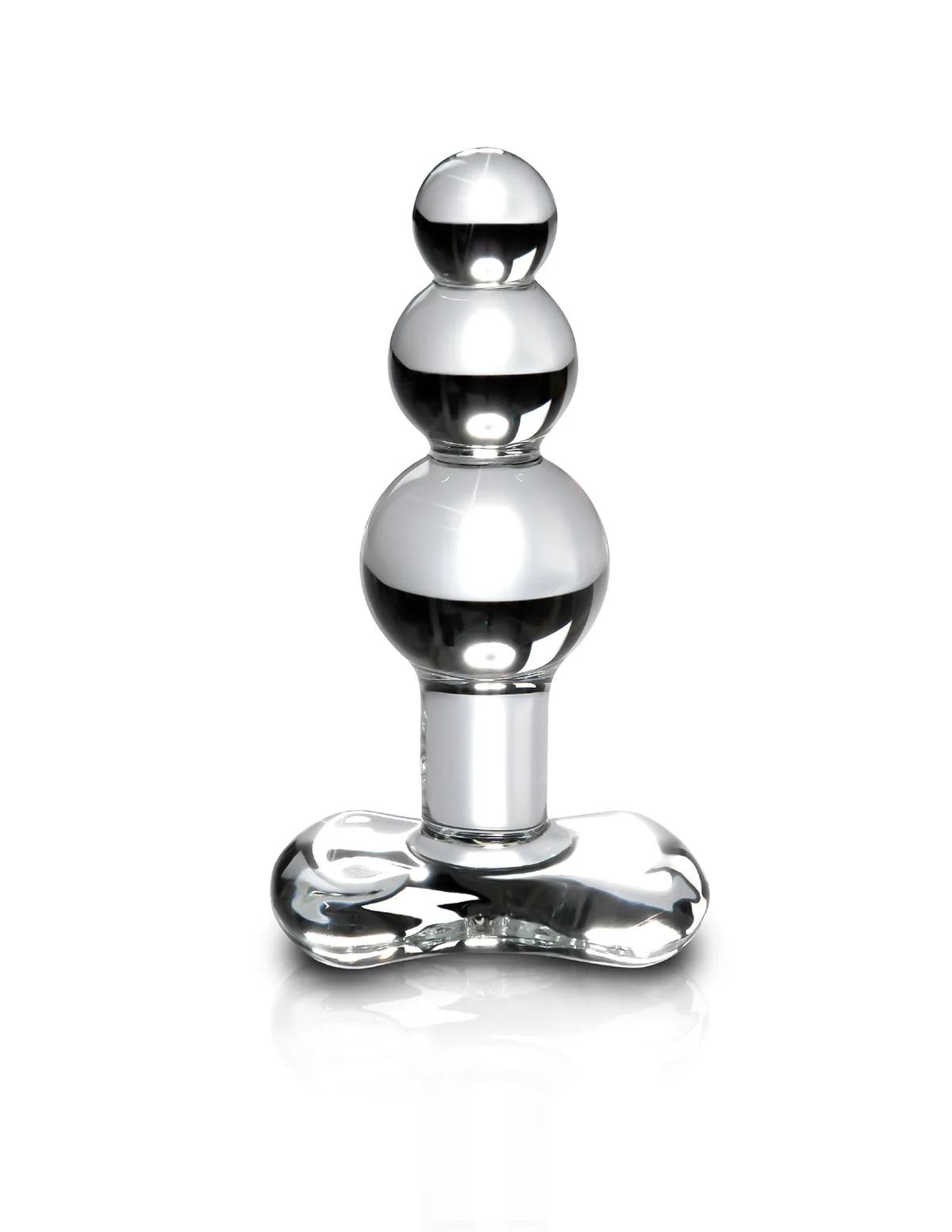
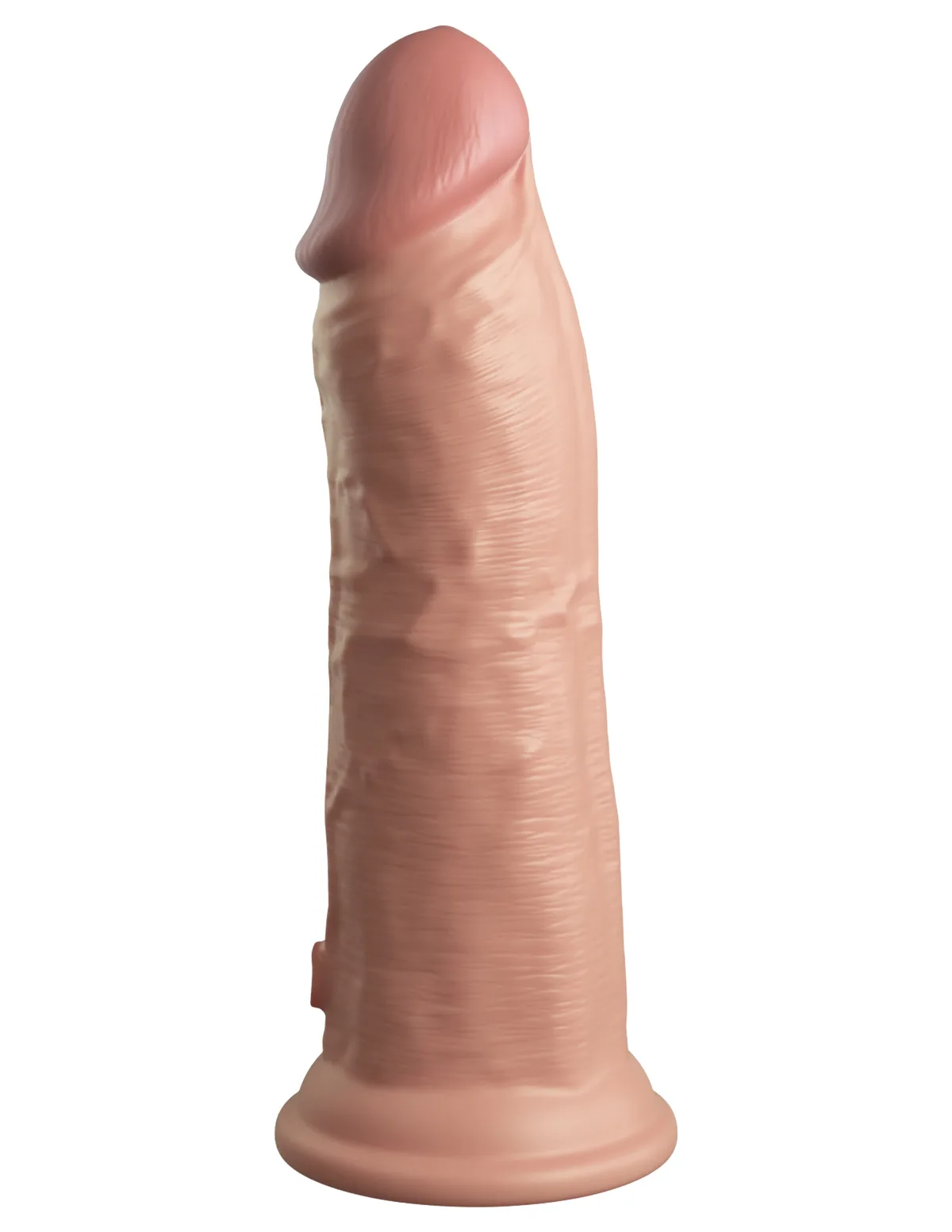

In its quick guides, Satisfyer writes that a product should not be used if it is damaged, deformed, or discolored. That’s a good starting point for all toys. Replace it or stop using the toy if you see any of the following:
Cracks, chips, or scratches in glass or hard plastic.
A sticky, oily, or uneven surface on silicone or TPE, or a surface that has become hard and brittle.
Discoloration or an odor that doesn’t go away after cleaning, especially in porous materials.
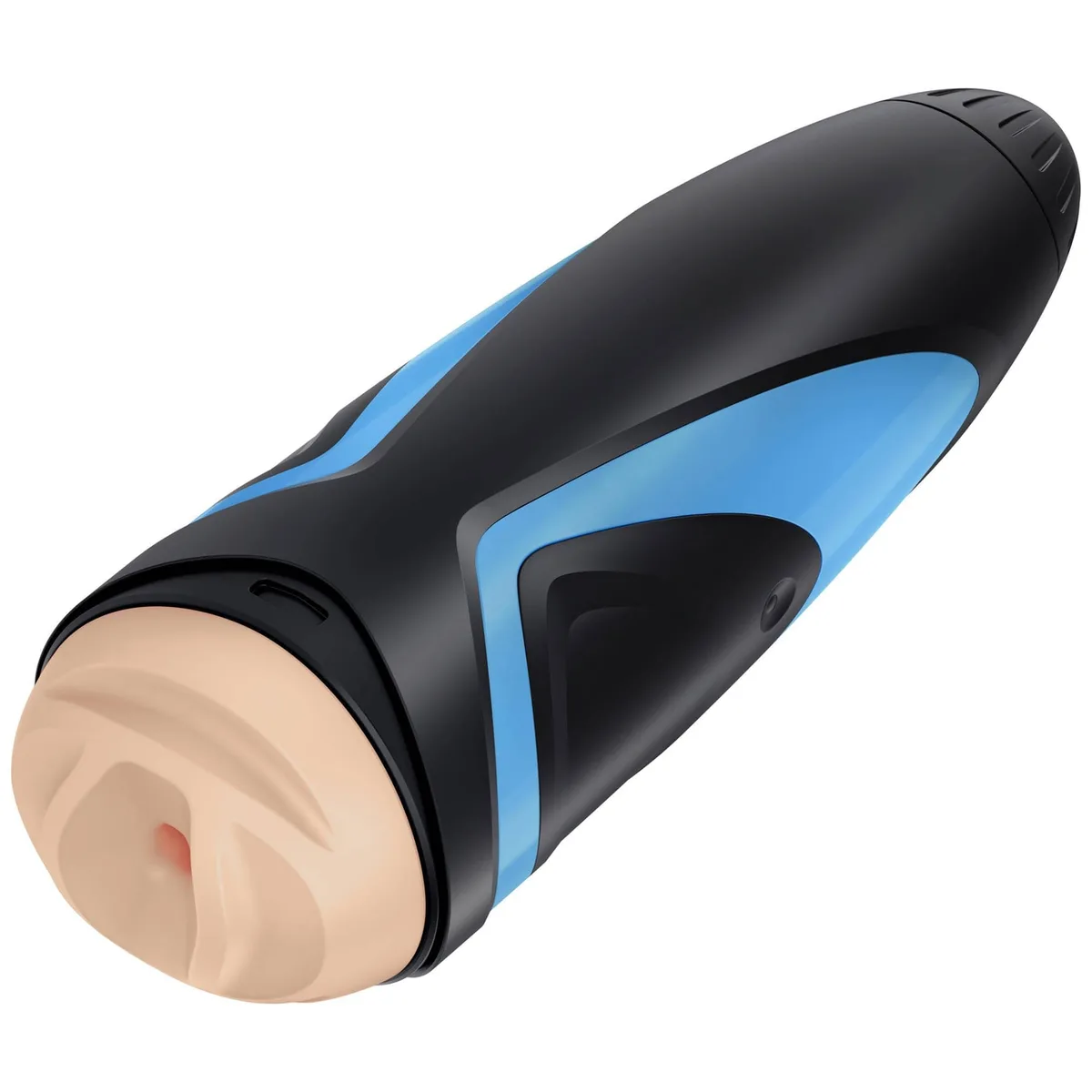
Mold. Fleshlight warns that mold can grow both inside and outside a masturbator sleeve that isn’t dried properly, and a moldy sleeve should be discarded.
Loose connection in the charging port, buttons, or seams, or a body that no longer seals tightly. Then it’s no longer waterproof, regardless of what the enclosure class says.
Battery that discharges much faster than before, gets warm while charging, or swells. A swollen or unusually warm lithium battery should not be charged further.
Some parts can be replaced instead of the whole toy. Satisfyer sells six different replaceable inserts for the masturbator Men One, and Womanizer sells magnetic charging cables separately.
1. Clean before and after each use according to the manufacturer’s instructions. See how you clean sex toys.
2. Let the toy dry completely before putting it away or charging it.
3. Use the right lubricant: water-based for silicone toys, unless the manufacturer says otherwise.
4. Store the toys clean, dry, and separately, protected from sunlight and heat. See how you store sex toys.
5. Charge with the right charger and don’t leave the toy on charge once it’s fully charged.
Activate the travel lock when you pack the toy, so that it doesn’t turn on and discharge while it’s in your bag.
7. Don’t use a toy for anything other than what it’s made for. Arcwave and We-Vibe, for example, state that the Ion 2 and Tango X are not intended for anal use.
A rechargeable sex toy is electronics and contains a lithium battery. It should not be put in household waste, but instead left for collection of electrical waste and batteries. Lovense and ORION refer in their manuals to the EU’s rules on electrical and battery waste, and the crossed-out trash bin on the packaging means exactly that. Check where electrical waste is accepted where you live. Toys without electronics are sorted by material according to the local regulations.
If you’re buying a new one, you can compare runtime, warranty, and materials in Best clitoral stimulator and Best glass dildo.