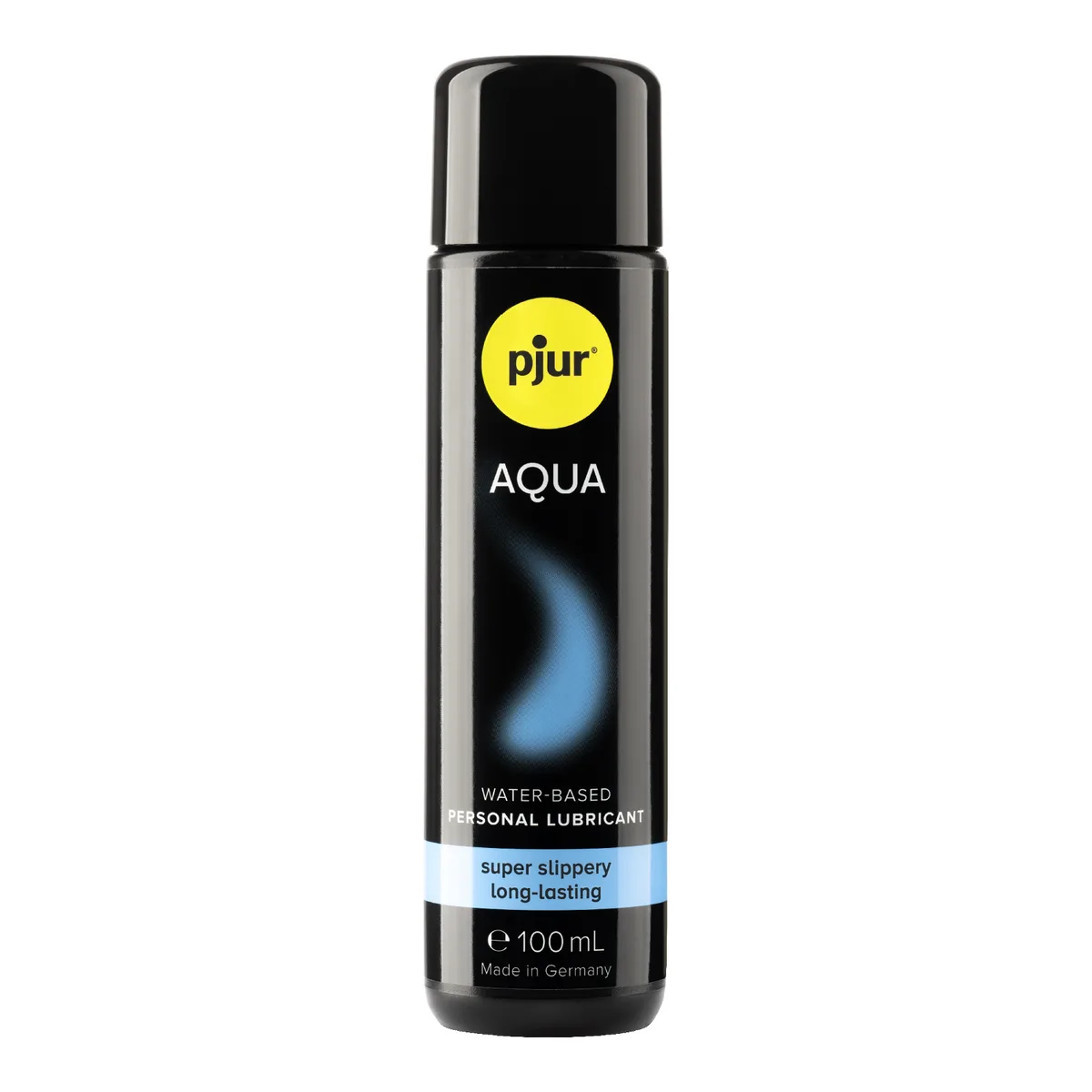
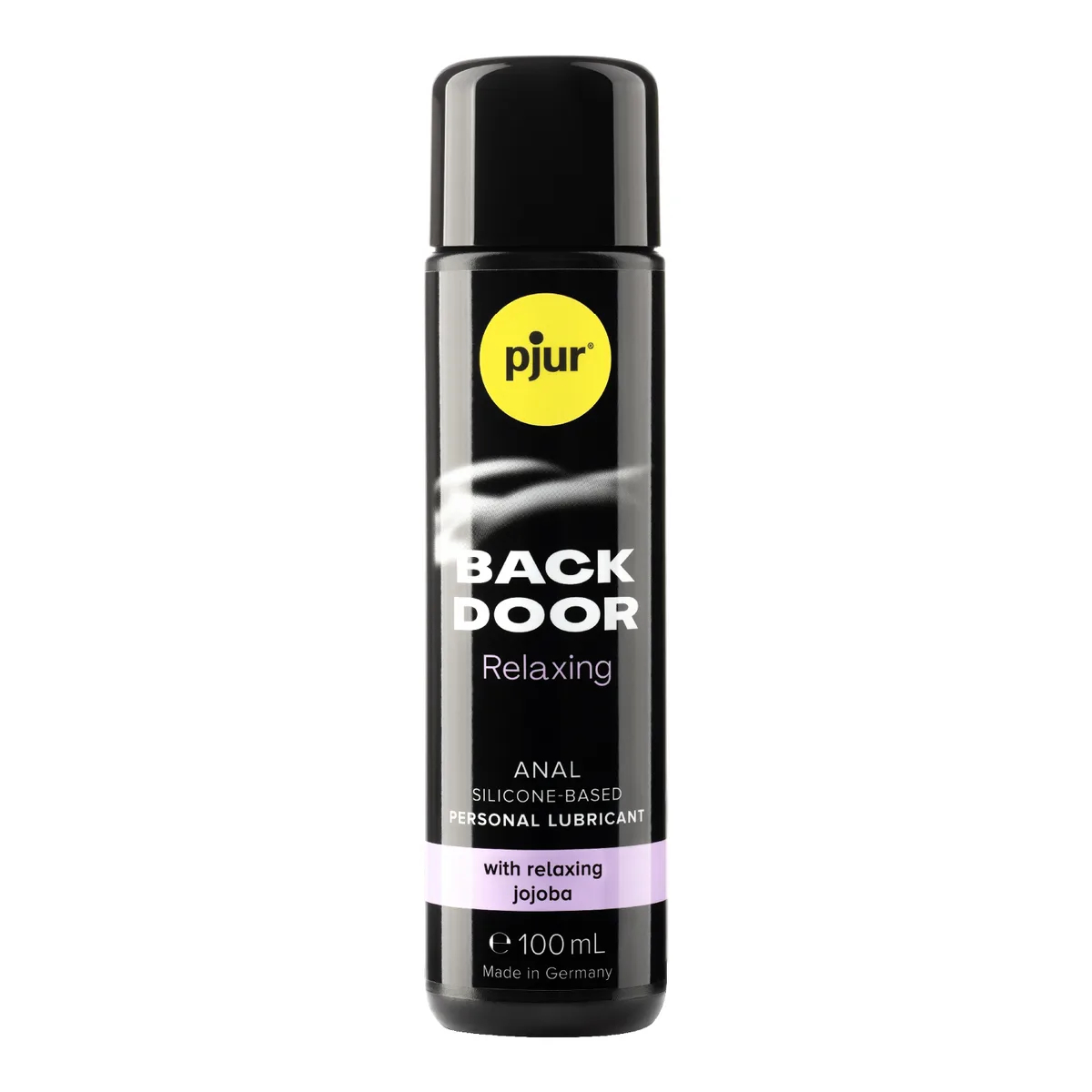
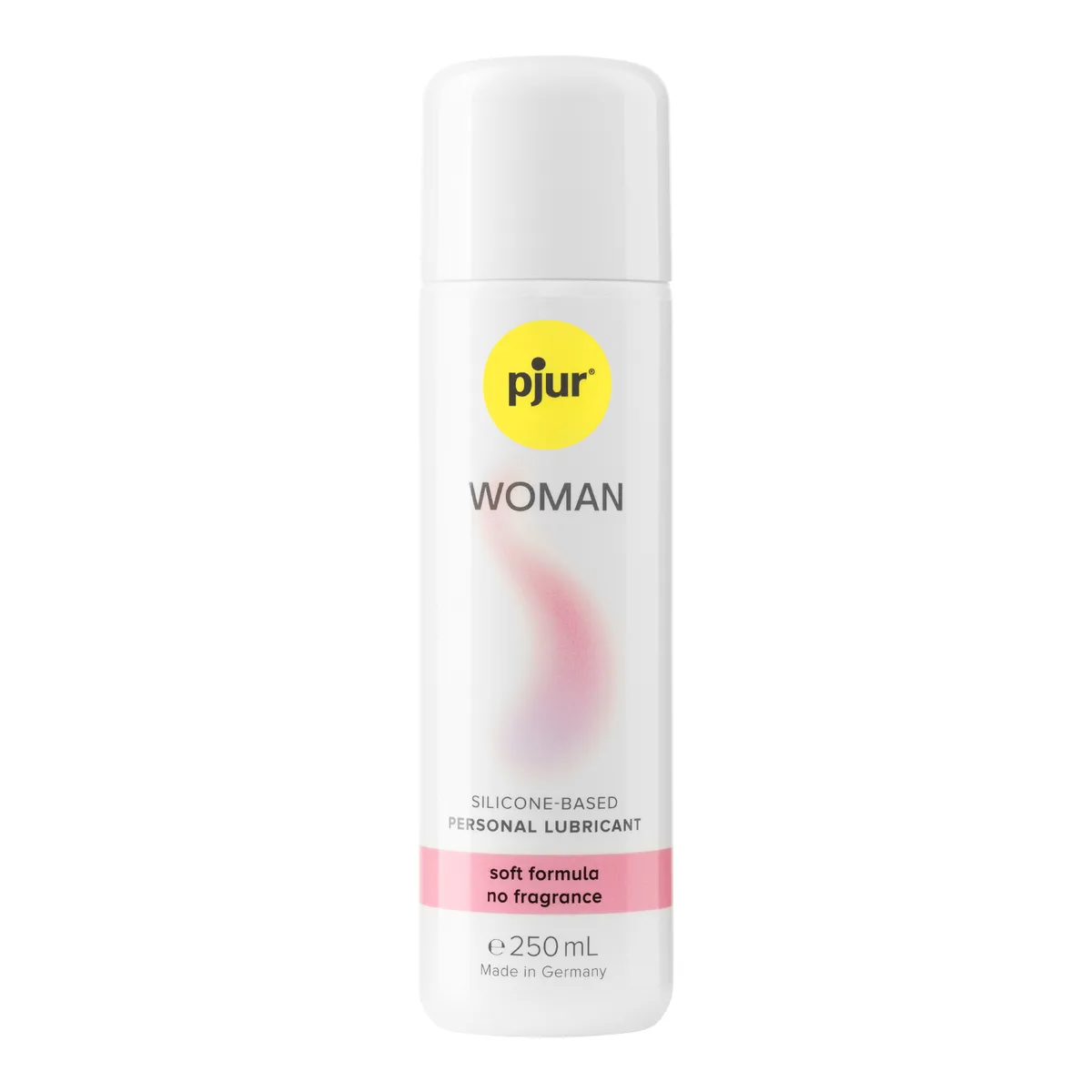
Glycerin is a common humectant in water-based lubricants. Pjur states in its FAQ that glycerin and glycols can act as a source of nourishment for yeast fungus, and recommends glycerin-free products for recurring fungal issues and dryness. If you don’t have these problems, glycerin itself isn’t an issue.
Parabens are preservatives. A water-based lubricant must be conserved in some way, so paraben-free only means that another ingredient does the job. WHO’s guidance notes that preservatives can cause irritation in some people — if you’re sensitive, choose a short ingredient list.
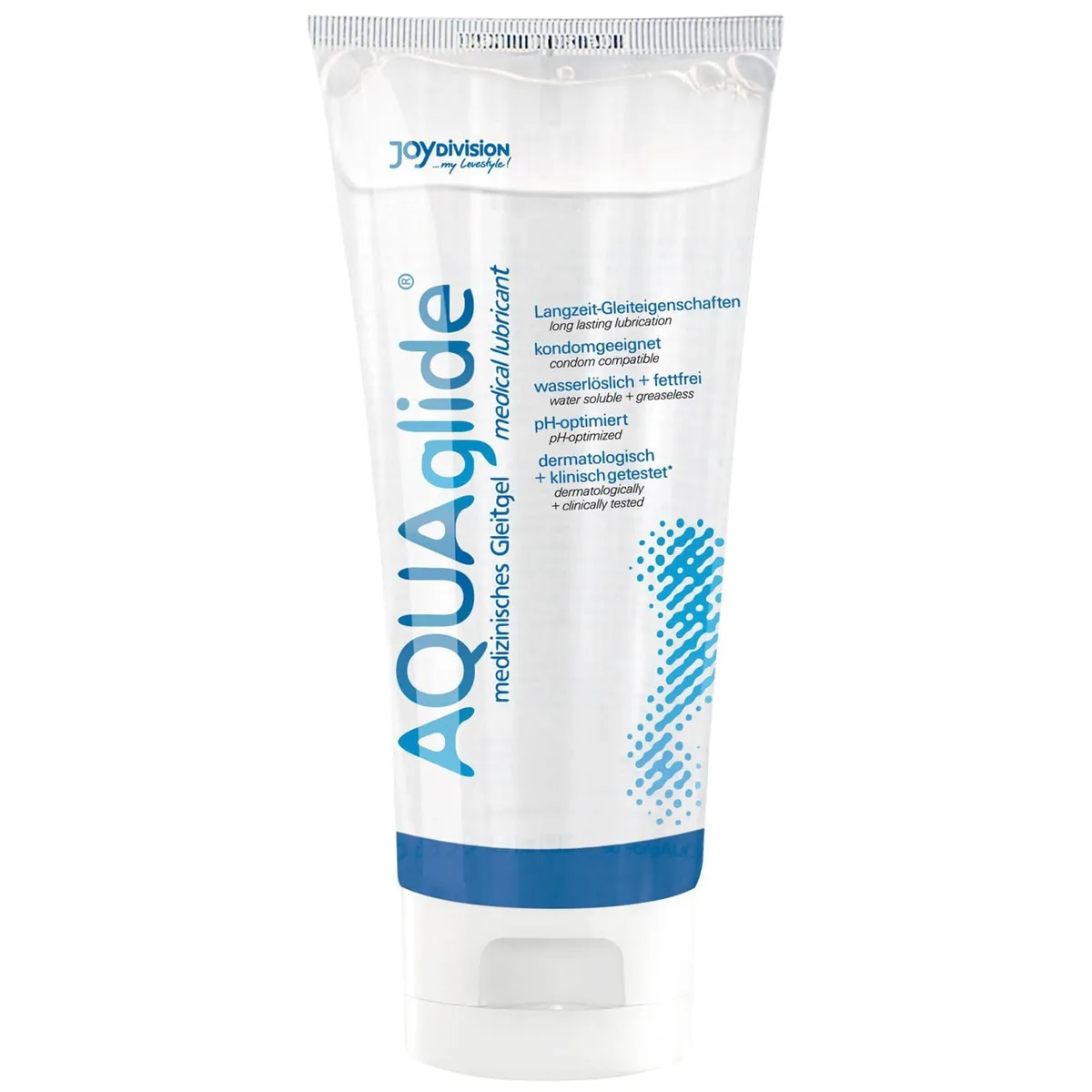
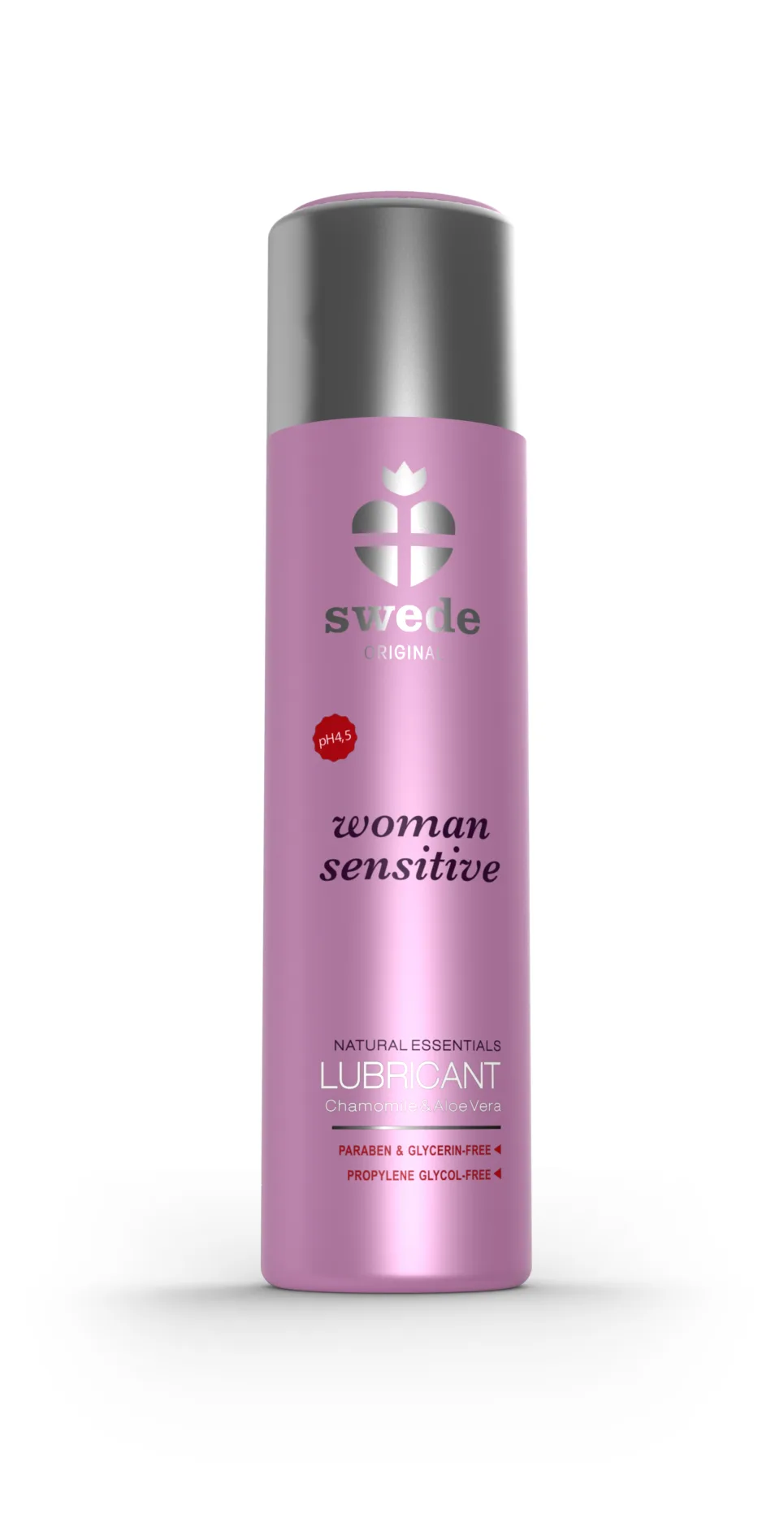
pH: WHO’s guidance lists around pH 4.5 for vaginal use and 5.5–7 for anal use, and advises against lubricants with a pH above 7. Few manufacturers publish the value; Swede prints 4.5 on Woman Sensitive and Joydivision states 4.6–5.2.
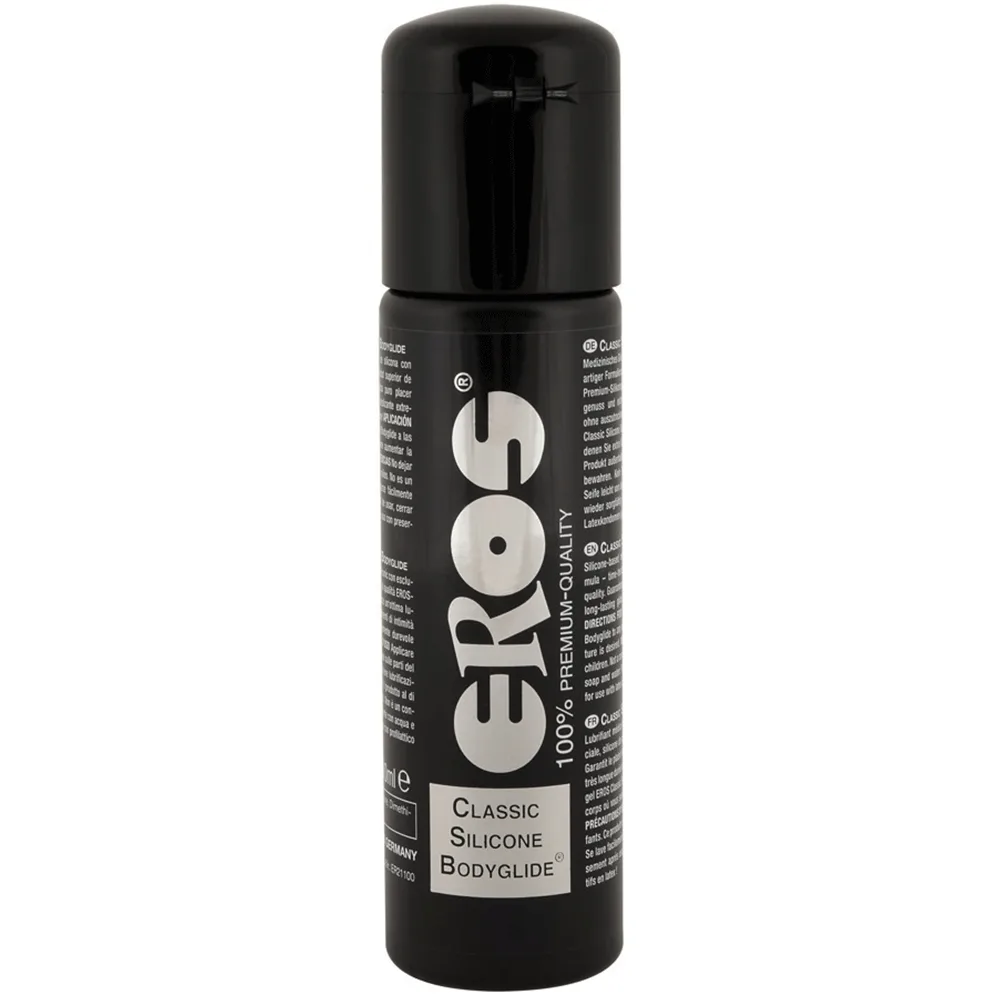
Osmolality measures how concentrated a water-based lubricant is. A highly concentrated lubricant draws water from the cells of the mucous membrane. WHO states that a lubricant should preferably be below 380 mOsm/kg and, as a temporary upper limit, below 1,200, while most commercial lubricants are in the range of 2,000–6,000. What primarily drives the value up is glycerin and other glycols. Almost no manufacturers publish osmolality, so in practice the ingredient list is what you can read: glycols high up on the list usually means higher osmolality. For silicone lubricant without water, neither pH nor osmolality is applicable.