Nothing around the neck. Nothing that can tighten around the neck belongs in bondage, and the neck should never be connected to anything—neither in bed, on another strap, or in hands. This also applies to collars and neck straps on harnesses: they are for appearance and should sit so loose that they don’t affect breathing.
Check circulation. A cuff should fit so that two fingers can fit between it and the skin. Ask often and look for yourself: numbness, tingling, coldness, or pale or bluish skin on the hands and feet means it should be loosened right away, not “in a little while.” This applies regardless of how the play goes—a pressure that feels fine for ten minutes is not automatically okay for an hour.
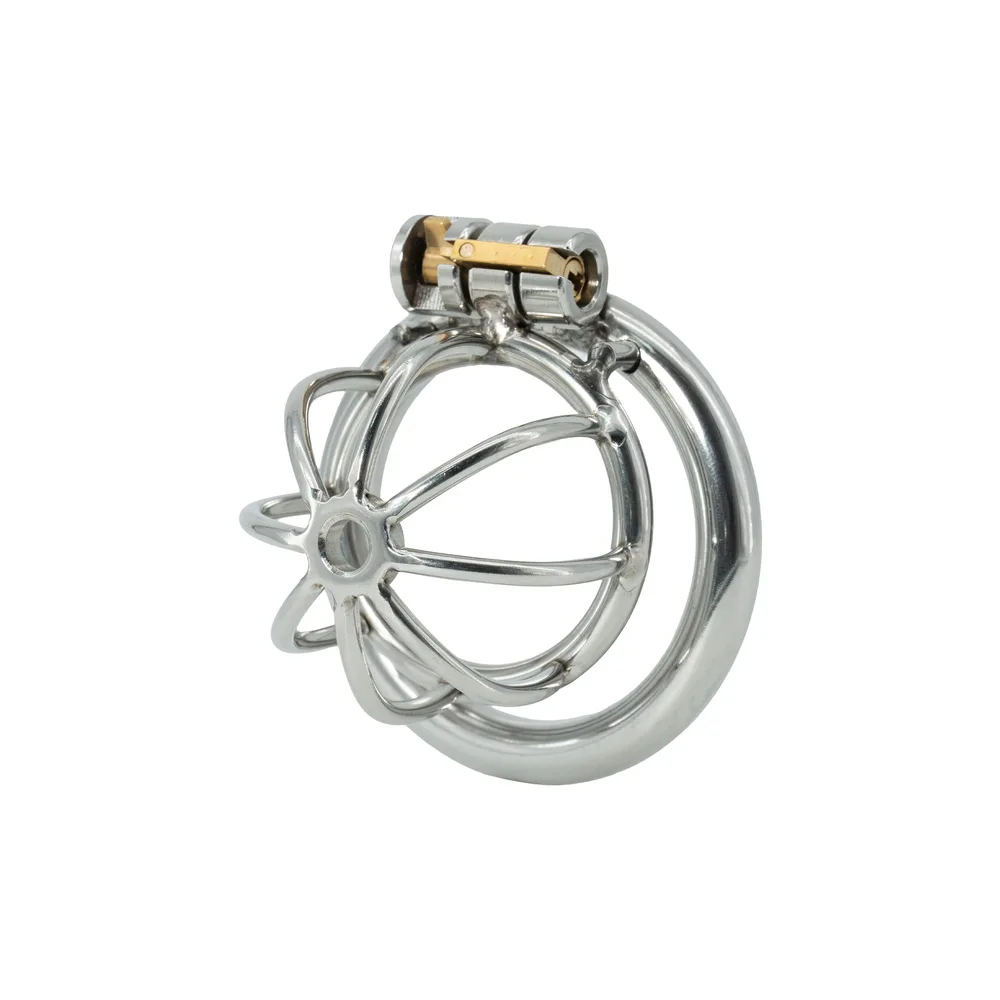
Have a way out. Put a pair of scissors with a blunt tip within reach before you start, so that everything can be cut open if a buckle jams. If anything is used with a lock, the key should be kept out in the open and visible—not in a drawer in another room.
Never leave the one who is restrained alone, not even for a short moment. The person with their hands secured cannot brace themselves in a fall, cannot free themselves, and cannot get out if something happens. Also avoid positions where the restrained person’s arms are kept behind their back for a long time or where they lie in a way that makes breathing harder.
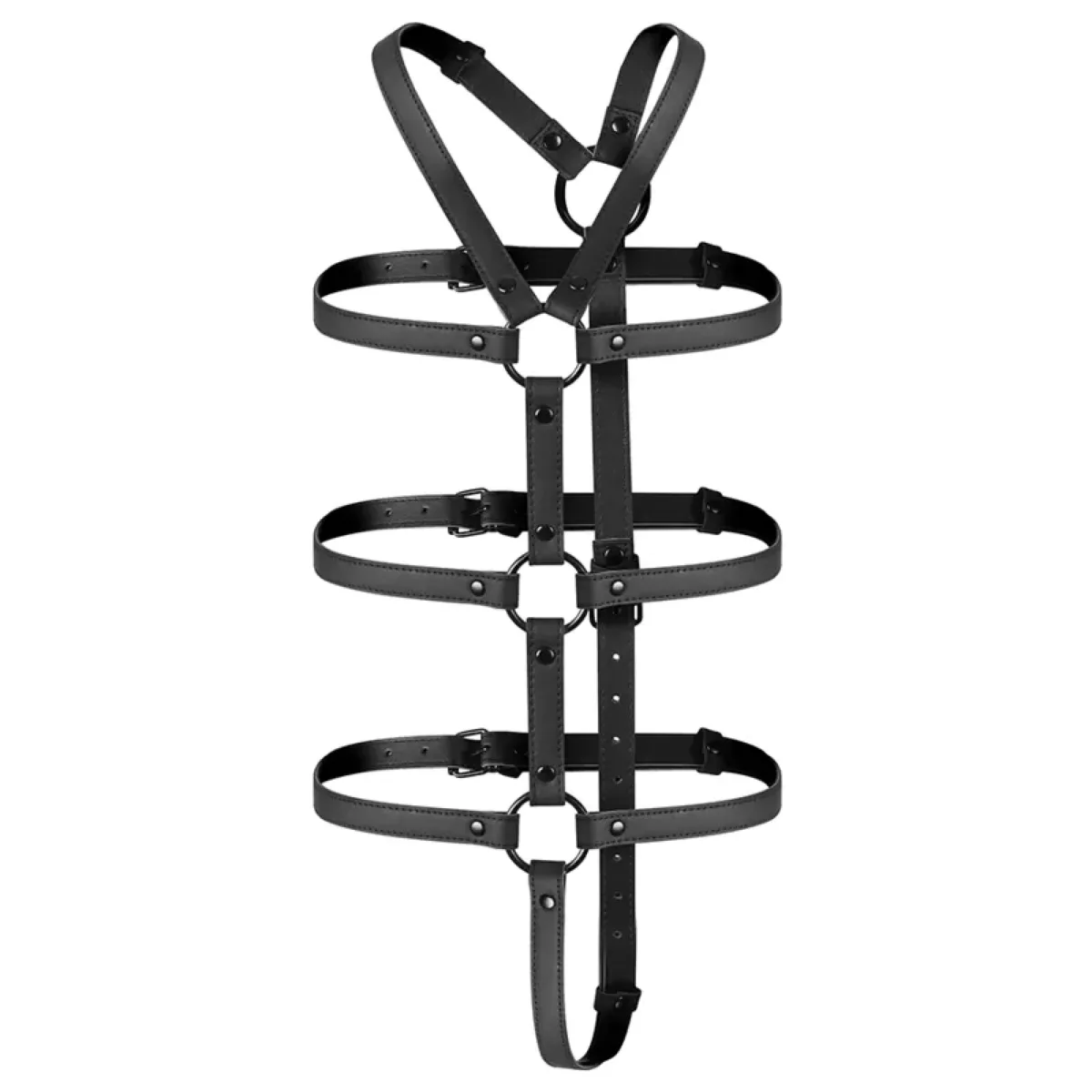
The manufacturer of Bondage Adjustable Harness Torso & Arms publishes no breaking load, and Taboom writes that their harness must not be stretched or loaded.
Stop if there is pain that isn’t the agreed one, if numbness doesn’t go away, or if you feel dizzy or nauseous. If numbness, pain, or marks remain afterward, contact healthcare services.