Skip to content
Luvrate

Guide · Vibrators

How to use a vibrator: a step-by-step guide for the first time

You use a vibrator best by starting externally on the lowest setting, letting your body get used to it, and then experimenting with placement, pressure, and patterns—using water-based lube if the toy is made of silicone. Here’s the whole path from unpacking and charging to using it solo or with a partner, cleaning, and storage.

last updated
27 September 2026
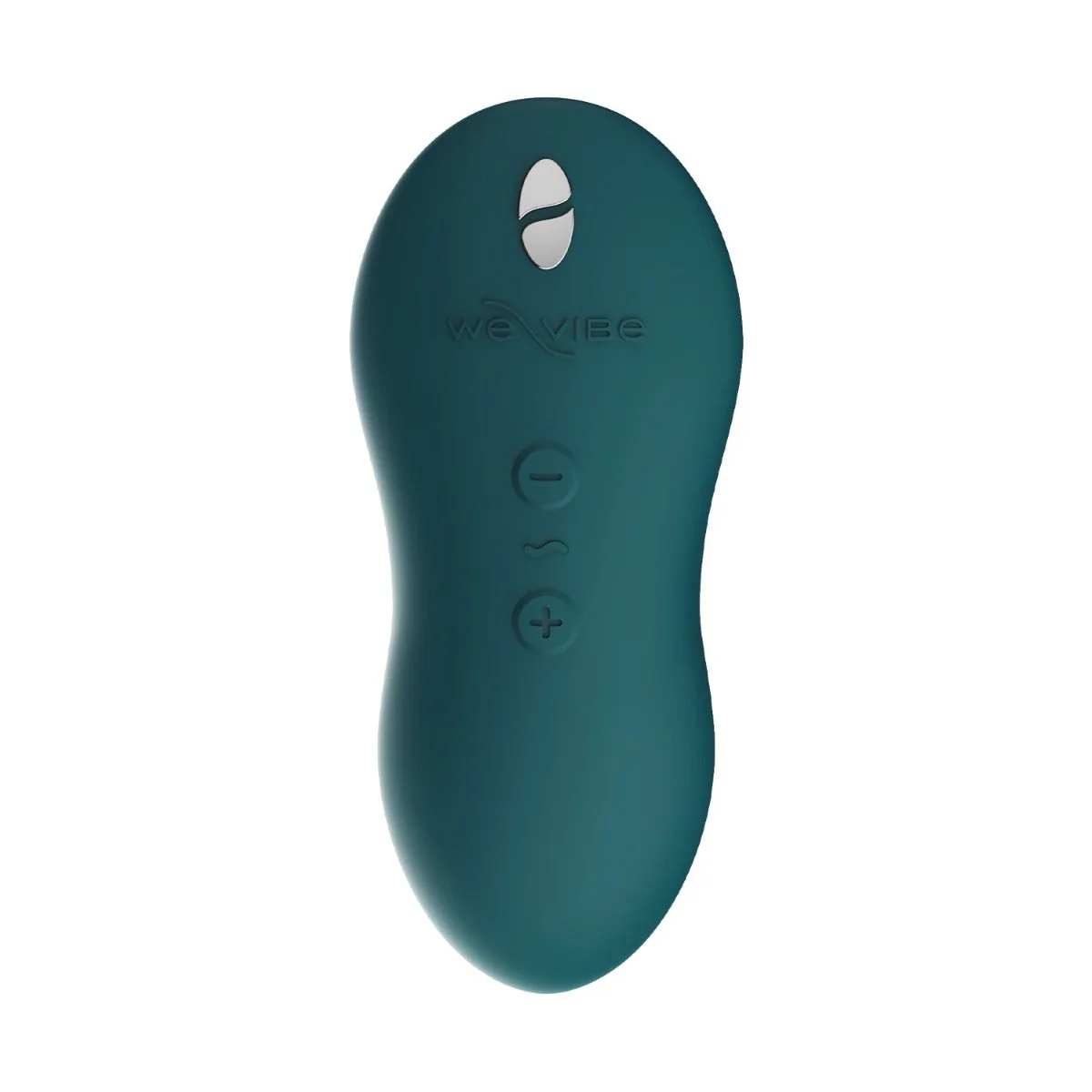
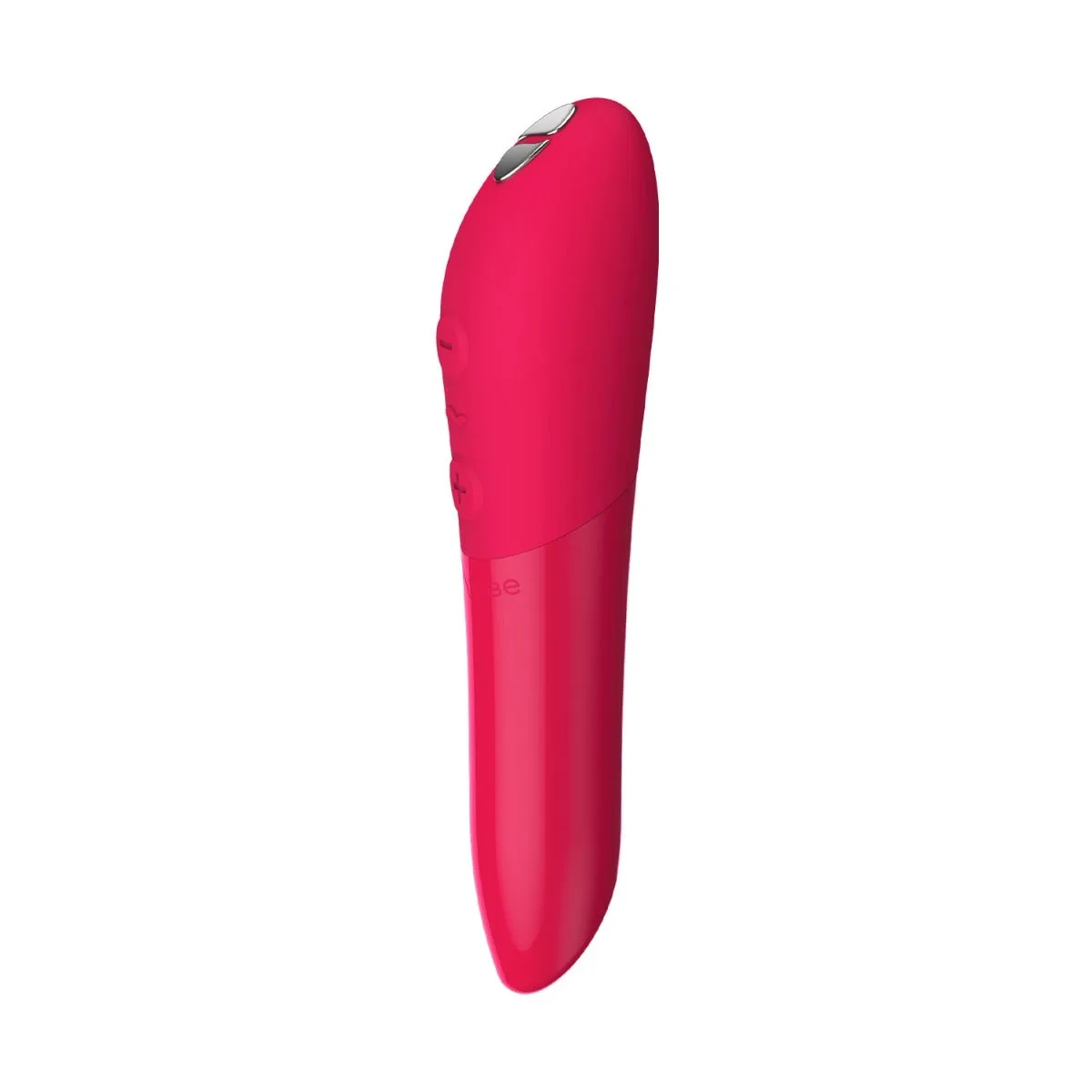
We-Vibe Tango X in red, a small bullet vibrator with a tapered tip and three buttons on the silicone handle

How to use a vibrator—the short answer

Using a vibrator is easier than many think, and there’s no right or wrong way as long as it feels good and is safe. What sets a good first time apart from a frustrating one is almost always three things: that you start too weak rather than too strong, that you start on the outside of the body before you try anything internal, and that you take your time.

Practically speaking, it looks like this: fully charge the vibrator, wash it, make it comfortable for you, start with the lowest intensity, and hold it first against the inside of your thigh or against the labia to feel how the vibration feels. Then move it toward the clitoris, try different pressures and angles, and increase the intensity gradually. Switch up the patterns if the steady vibration feels too monotonous. If you want to use it internally—for example against the G-spot—do that when you’re already aroused and use lube.

The rest of the guide goes through every step: how the positions work, where the vibrator does the most good, which lube fits, how you use the vibrator with a partner, and how you charge, clean, and store it so it lasts.

Before you start: charge, clean, and read the manual

Most vibrators ship partially charged. Fully charge it before the first use—LELO, for example, recommends two hours of charging before Liv 3 is used for the first time. At the same time, check the charging cable. Many modern vibrators have a magnetic or product-specific cable, and a regular USB-C cable won’t work as a replacement.

Wash the vibrator before you use it, even if it’s new. Lukewarm water and mild, fragrance-free soap or a sex toy cleaner are enough. Check the manual for what level of water resistance it has: a vibrator rated IPX7 can, according to the IEC 60529 standard, withstand being submerged to a depth of one meter for 30 minutes and can be rinsed under the tap, while a splash-resistant model should only be wiped dry.

Also read what the manual says about the buttons. Many vibrators start with a long press instead of a short one, and several have a travel lock that makes it impossible to start the vibrator until the lock is deactivated. On We-Vibe Tango X, you lock and unlock by holding plus and minus pressed in for two seconds—and the lock is released automatically when the vibrator is put on charge. Anyone who doesn’t know that will easily think the battery is out.

Modes, intensity, and patterns: how to find the right one

A vibrator usually has two settings that are controlled separately: intensity, meaning how strong the vibration is, and patterns, meaning how it varies over time—steady, pulsing, wave-shaped, or in a rhythmic program. The manufacturers count them differently. We-Vibe lists eight intensity levels and seven vibration patterns for Tango X, while Svakom lists five modes and five intensities for the finger vibrator Echo 2.

Start with the lowest intensity and the even, constant vibration. It sounds boring, but the skin and nerve endings around the clitoris are sensitive, and starting too strong can feel numb rather than pleasurable. Increase one step at a time. Many find that they prefer a fairly low level with more pressure, rather than full power with just light contact.

When you’ve found a level that feels good, you can try the patterns. Pulsing and wave-shaped programs provide variation that some people think builds up tension better, while others return to the steady vibration as orgasm gets closer. There’s no single right answer—it’s about discovering what your body responds to.

Where should the vibrator be placed?

For most people with a vulva, the clitoris is the place where a vibrator makes the biggest difference. The clitoris is larger than the visible part under the clitoral hood, and that’s why vibrations against the surrounding area—the clitoral hood, the labia, and the mound of Venus—can also be felt clearly. Try moving the vibrator in small circles along the sides of the clitoris, or hold it completely still with steady pressure. Many find that direct contact against the clitoral glans becomes too intense, at least at first.

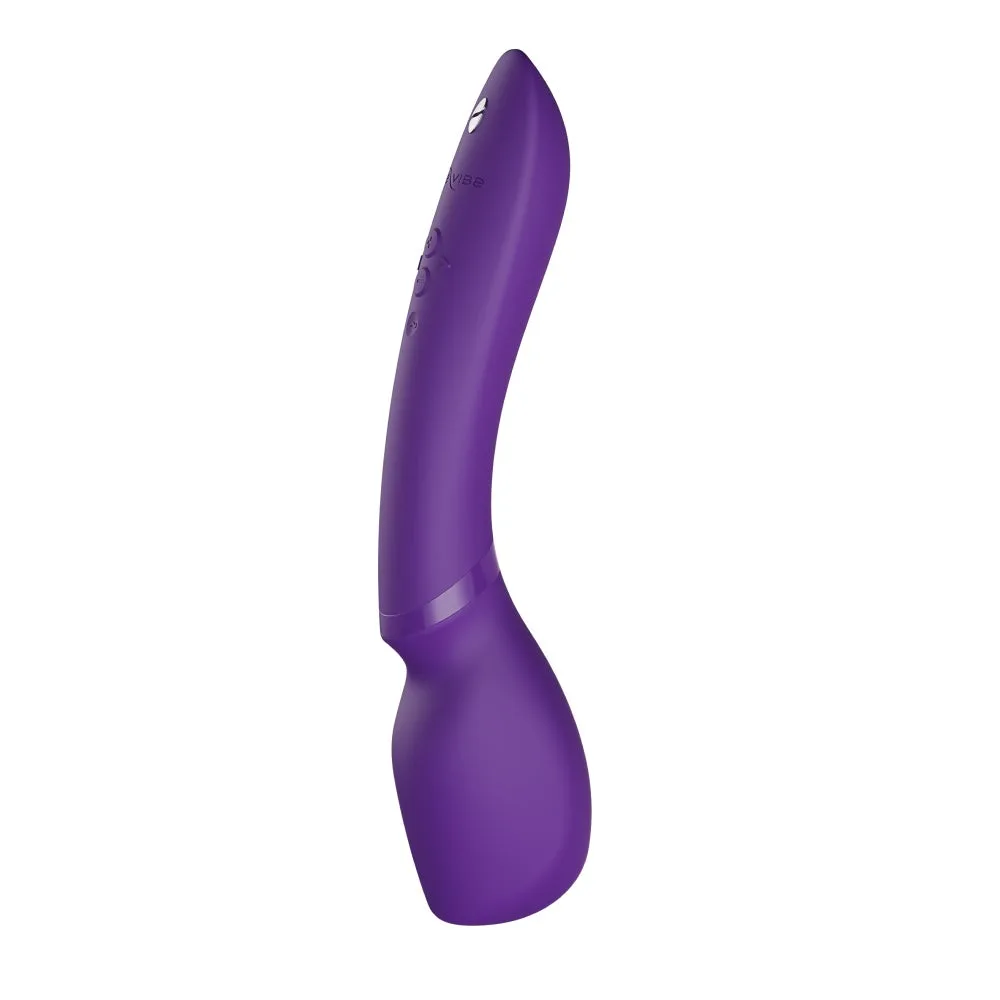
The shape determines how you hold it. A bullet vibrator that We-Vibe Tango X has a tapering tip that’s made for point stimulation, while a lay-on vibrator that We-Vibe Touch X has a broad, flat surface that’s placed against a larger area. A finger vibrator that Svakom Echo 2 sits on the finger and follows the hand’s movements. Which shape suits you best depends on whether you prefer exact, targeted stimulation or a broader, more spread-out sensation.

Vibrations also work in other places: nipples, the inside of the thighs, the neck, and the perineum. Starting there is a good way to get familiar with the toy before you move on.

Good first vibrators for external use

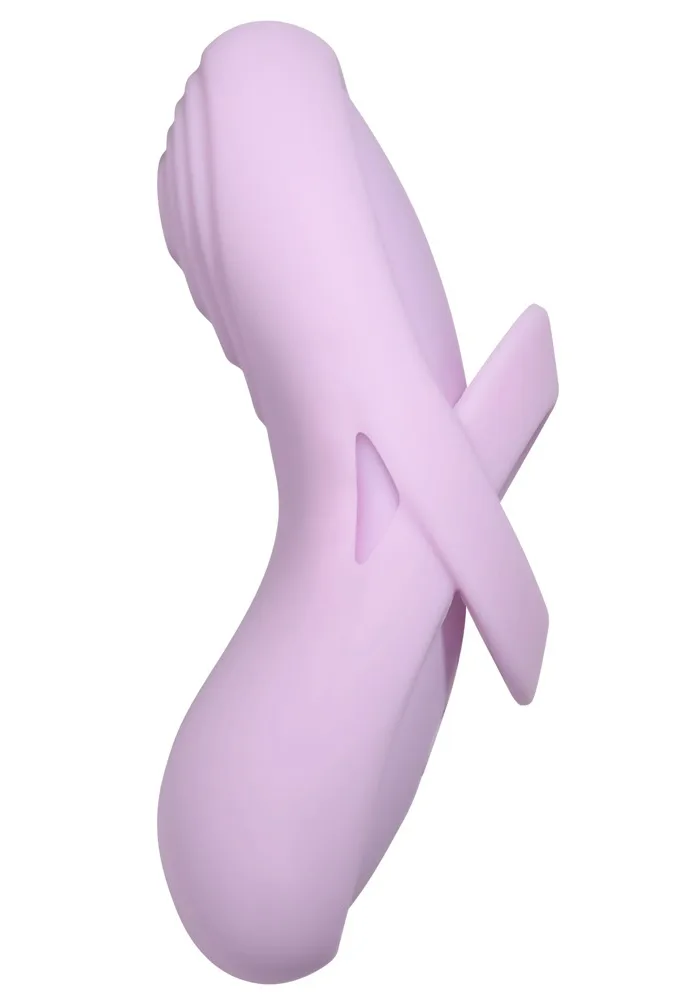
Svakom Echo 2 in pink, seen at an angle from the front with the finger sleeve attached and the ridged vibrator head pointing upward
8.5

Finger vibrator with heat

Svakom Echo 2

Worn on the finger, five modes times five intensities, and a heat function at 38 °C. The manufacturer states a maximum of 50 dB and IPX7; intended for external use.

Lowest price £60.84

Price checked 26 September 2026

Internal: angle, tempo, and the G-spot

If you want to use the vibrator internally, it needs to be made for that — an insertable part with a rounded tip, and preferably a shape that reaches the right spot. Wait until you’re aroused; your body will then be more relaxed and the vagina will be moister. Use lube on both the vibrator and the vaginal opening, insert it slowly with the vibration turned off or at low level, and keep it still for a moment before you start moving it.

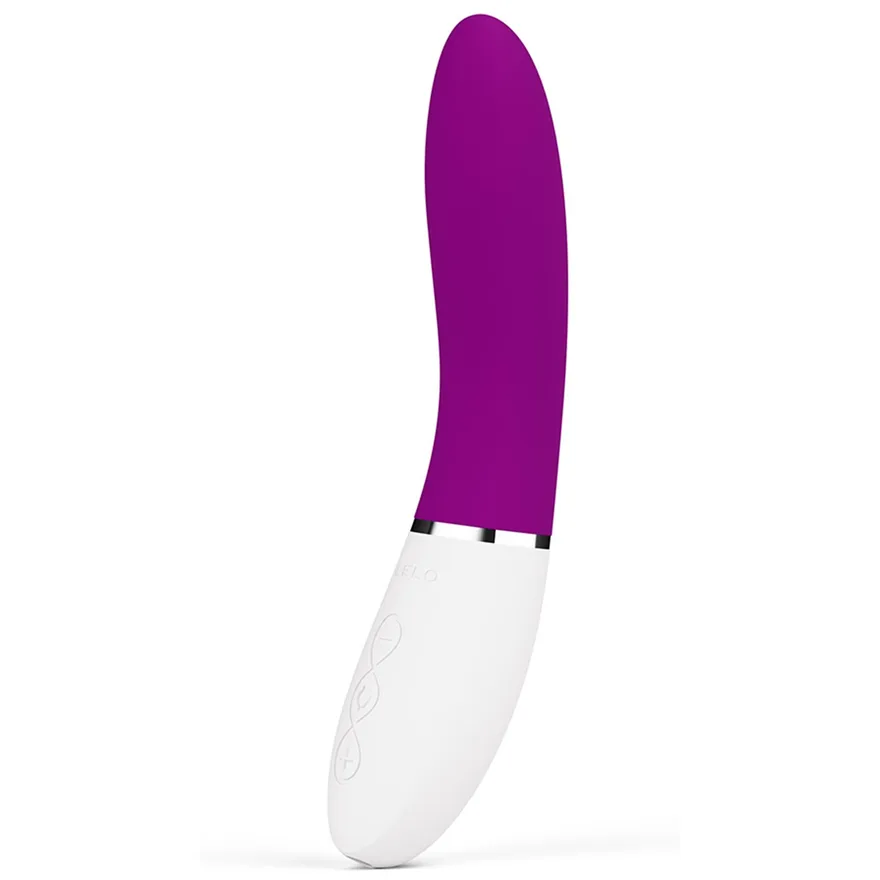
Many people go for the G-spot — an area on the front wall of the vagina, toward the stomach, a few centimeters in. A G-spot vibrator has a curved tip that makes it easier to reach without having to twist your wrist.We-Vibe Rave 2LELO Liv 3 has a flexible housing and two motors that are controlled independently, whileLELO Liv 3specifies a 100-millimeter insertable length with a curved tip. More about anatomy and technique is in the guideso you can find the G-spot.

Try small, calm movements — to wiggle the tip toward the front wall, or to press rhythmically — rather than moving the vibrator back and forth. If it feels uncomfortable or hurts: stop. Discomfort is a sign to slow down, change the angle, or use more lube—not something to push through.

Never use an anal vibrator unless the manufacturer states that it’s made for that. Toys for anal use need a flared base that prevents them from going in completely, and several of the vibrators in this guide — including Tango X, Rave 2, and We-Vibe Wand 2 — are, according to the manufacturer, not designed for anal use.

If you want to use it internally

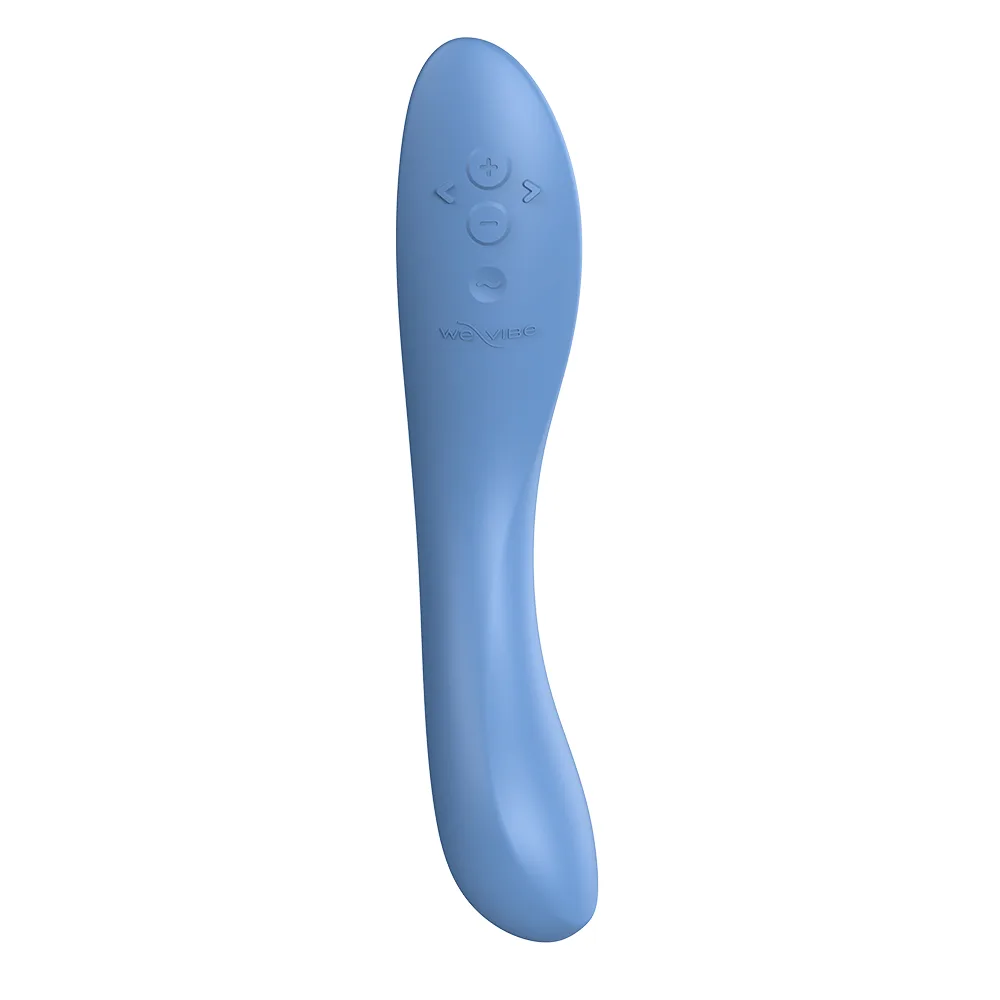
We-Vibe Rave 2 in blue, seen at a diagonal from the front with the embossed buttons on the top of the grip
8.0

Most control

We-Vibe Rave 2

Two motors that are controlled independently and a flexible housing that can be angled to the body. Full silicone, IPX7, 120 minutes of run time and 90 minutes of charging time.

Lowest price £117.33

Price checked 26 September 2026

Which lubricant should you use with a vibrator?

Lubricant almost always makes use feel better, even externally: it reduces friction, helps the vibration spread more evenly, and prevents the skin from becoming irritated. Internally, it’s practically necessary.

For silicone vibrators, you should use a water-based lubricant. A silicone-based lubricant can break down the silicone surface over time and make it porous, and a porous surface can no longer be cleaned properly. We-Vibe also explicitly advises in the manuals for both Rave 2 and Nova 2 against perfumed and alcohol-based lubricants, gels, and massage oils, and Svakom’s warranty for Echo 2 excludes damage caused by lubricants that are not water-based.

If you use the vibrator together with a latex condom, there’s one more rule: avoid oil-based products, because oil damages latex. A review of the different types can be found in which lubricant should you choose and in the comparison of lubricants.

Use a vibrator with a partner

A vibrator isn’t a competitor to a partner, but a tool you can use together. The easiest way to start is to have the person who’s going to be stimulated show how they use the vibrator themselves, and then the other person takes over. Talk while it’s happening: more pressure, less, higher, lower.

During intercourse, a small bullet can be held against the clitoris in positions where your hands are free—for example when one person is behind the other or when the person being stimulated is sitting on top. A wide lay-on vibrator can stay in between the bodies—the manufacturer even describes the Touch X as a lay-on vibrator intended for couples. If you want something that stays in place on its own, it’s a couples vibrator made for exactly that.

A rabbit vibrator that We-Vibe Nova 2stimulates both internally and the clitoris at the same time and can be controlled via an app, which means the partner can take over control. A massage wand is another great shared tool: the large head works for back massage and for the clitoris, and it can be held by whoever wants to. More ideas are in which sex toy is best for couples.

Good to share

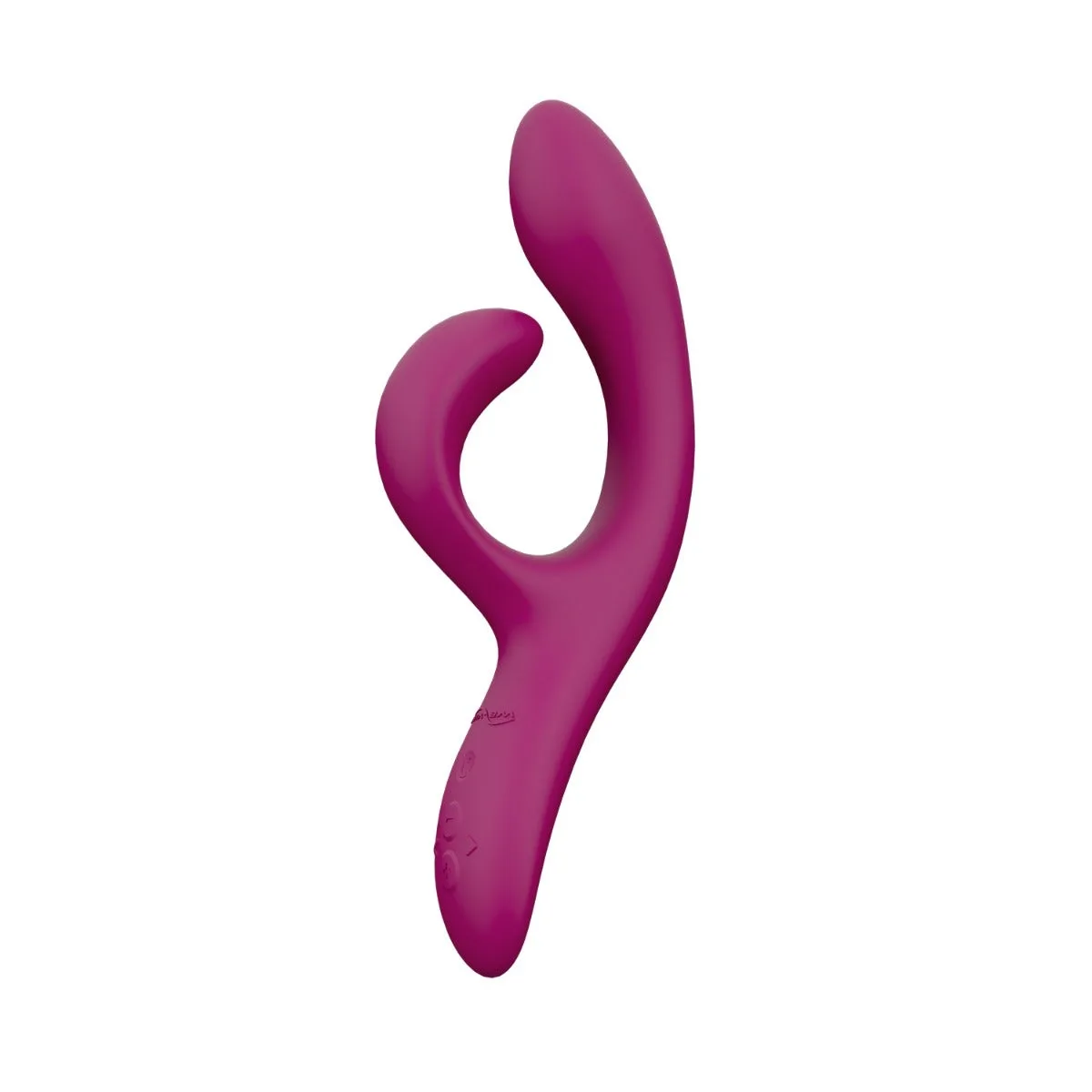
We-Vibe Nova 2 in the color Fuchsia, viewed from the side with the flexible clitoral arm bent toward the insertion part
8.5

Both internal and external at the same time

We-Vibe Nova 2

Rabbit with a flexible outer arm that’s designed to stay in contact with the clitoris, two separate motors, and app control with remote control from a distance. IPX7.

Lowest price £121.93

Price checked 26 September 2026

Charging, battery, and runtime

Nearly all vibrators today have a built-in lithium-ion battery that can’t be replaced. That means the battery in practice determines how long the toy lasts, and that it pays to take care of it. Charge it with the included cable and a regular USB adapter with the right output power. Svakom, for example, states that Echo 2 should only be charged with a 5-volt adapter and not with fast chargers, and that it must not be charged while it’s wet.

Runtime varies a lot between models. Svakom lists one and a half hours for Echo 2, We-Vibe up to two hours for Tango X and Rave 2. Also check whether the vibrator has automatic shut-off: LELO Liv 3 turns itself off after 20 minutes, which protects the battery if it’s started by mistake but can feel abrupt.

Store the vibrator dry, clean, and preferably in its own bag, so the silicone doesn’t lie against other materials. Activate the travel lock if it’s going to be kept in a bag. Several manufacturers state a temperature limit: We-Vibe writes that the products and batteries must not be exposed to more than 45 degrees, which among other things rules out boiling and the dishwasher.

Cleaning after use

Clean the vibrator directly after use, before lubricant and bodily fluids have time to dry in. Rinse it under lukewarm water if it’s waterproof; wash it with mild soap or a sex toy cleaner, rinse thoroughly, and let it air-dry or dry it with a clean, lint-free towel. Pay extra attention to joints, buttons, and the transition between silicone and plastic.

If the vibrator isn’t waterproof, wipe it instead with a damp cloth and keep the charging port dry. Never use alcohol, harsh cleaning agents, or abrasive sponges. The full guide, material by material, is in how to clean sex toys.

If you share the vibrator with someone, or if it’s used both anally and vaginally, it should be cleaned between each use or fitted with a new condom. This applies especially to toys in porous materials, which can’t be made completely clean.

Common mistakes when using a vibrator for the first time

1. Too high intensity too soon. Your body needs time to get aroused, and a too-strong start can feel numb. Start low and increase.

2. Too short a time. Don’t expect orgasm in a few minutes the first time. It’s common for it to take longer with a new toy than with your hands, just because the sensation is new.

3. The wrong lubricant. Silicone-based lube on a silicone vibrator can damage the surface. Choose water-based if you’re unsure.

4. Trying just one spot. Move around, change pressure and angle. Many people find what works best is a bit away from where they first tried.

5. Going internal right away. For many, external stimulation is what provides the most, and internal use feels better once you’re already aroused.

6. Ignoring the manual. Travel locks, button combinations, and charging instructions differ between brands, and the warranty may depend on you having followed the instructions.

Which vibrator should you start with?

If you don’t know what you like, a small external vibrator is the safest first purchase: it’s easy to understand, easy to keep clean, and it quickly gives you a feel for which levels and patterns work. The comparison of mini vibrators is a good starting point. If you want more powerful vibrations over a larger area, a massagestav right type, and how it’s used is in the guide to massage wands.

If you already know you want internal stimulation, a G-spot vibrator is the next step, and if you want both at the same time, a rabbitvibrator. If you’re instead curious about air pressure—which sucks in and pulses rather than vibrating—read how to use a clitoral stimulator. The entire range is in the category vibrators, and a broader introduction to different toy types in sex toys for beginners.

No matter what you choose: look at materials, waterproofing, run time, and the charging cable, and preferably choose body-friendly silicone. These are the same details we base our reviews on, and every number there has a source.

Common questions about how to use a vibrator

How do you use a vibrator for the first time?
Charge and wash it, start at the lowest intensity, and hold it first against the inside of the thigh or the labia. Then move it toward the clitoris, try different pressures, and increase the intensity gradually. Internal use works best when you’re already aroused and have lube.
Where should you hold the vibrator?
For most people with a vulva, vibration against the clitoris and the surrounding area provides the most. Many find direct contact too intense and prefer holding the vibrator to the side of the clitoris, against the foreskin or over fabric. Experiment to find what works for you.
Do you have to use lube with a vibrator?
Internal: yes. External use isn’t necessary, but it often makes the sensation smoother and reduces friction. Use water-based lube for silicone vibrators, because silicone lube can damage the surface.
Can you use a vibrator in the shower?
Only if it’s waterproof. A vibrator rated IPX7 can, according to IEC 60529, be submerged to a depth of one meter for 30 minutes and works in the shower and bath. Never charge it while it’s wet.
Can you use a vibrator with a partner?
Yes. A small vibrator can be held against the clitoris during intercourse, a wide lay-on vibrator can lie between the bodies, and an app-controlled model can be controlled by your partner. Rabbit vibrators are made to stay in place during intercourse.
How do you clean a vibrator?
Rinse it in lukewarm water if it is waterproof; wash it with mild soap or a sex toy cleaner, rinse thoroughly, and let it dry completely. Avoid alcohol and strong cleaning agents, and never boil a vibrator with a motor and battery.
Can you use a regular vibrator anally?
Only if the manufacturer states that it is made for that. Toys for anal use need a flared base, and many regular vibrators are explicitly not designed for anal use.

About the author

Elin Sandberg Founder

I run the site. The reviews are produced with AI assistance, and every review is based on the manufacturer’s own specifications, product data sheets and price data from the shops that sell the product — all sources are listed at the bottom of the page and can be checked. I compare the models on what can actually be documented: material, dimensions, power levels, water-resistance rating, warranty and price. If you find a mistake, I want to know.
  • 395 reviewed products
  • Source-backed specifications
  • No sponsored placements

Sources

  1. Åtta intensitetsnivåer, sju vibrationsmönster, IPX7, drifttid och laddtid för Tango X We-Vibe — officiell produktsida, Tango X — checked 2026-09-27
  2. Reselås, temperaturgränsen 45 grader och att Tango X inte är konstruerad för analt bruk We-Vibe — officiell PDF-manual för Tango X — checked 2026-09-27
  3. Mått, lägen, värmefunktion och IPX7 för Echo 2 Svakom — officiell produktsida, Echo 2 — checked 2026-09-27
  4. Två motorer, glidmedelsanvisningar och förbudet mot analt bruk för Rave 2 We-Vibe — officiell onlinemanual för Rave 2 — checked 2026-09-27
  5. Insticksbar längd, lägen, ljudnivå, automatisk avstängning och laddning för Liv 3 LELO — officiell produktsida, LIV 3 — checked 2026-09-27
  6. The definition of the IPX7 enclosure class IEC 60529 — Degrees of protection provided by enclosures — checked 2026-09-27
  7. Oil-based lubricants should not be used with latex condoms NHS — Condoms — checked 2026-09-27