Skip to content
Luvrate

Guide · Lube

Lube and condoms: which ones work together?

Water-based and silicone-based lube work with latex condoms; oil-based doesn't, because oil weakens latex. The same limit applies to most latex-free polyisoprene condoms, while polyurethane can take almost anything – but it's always the condom packet and the lube label that decide.

last updated
27 September 2026
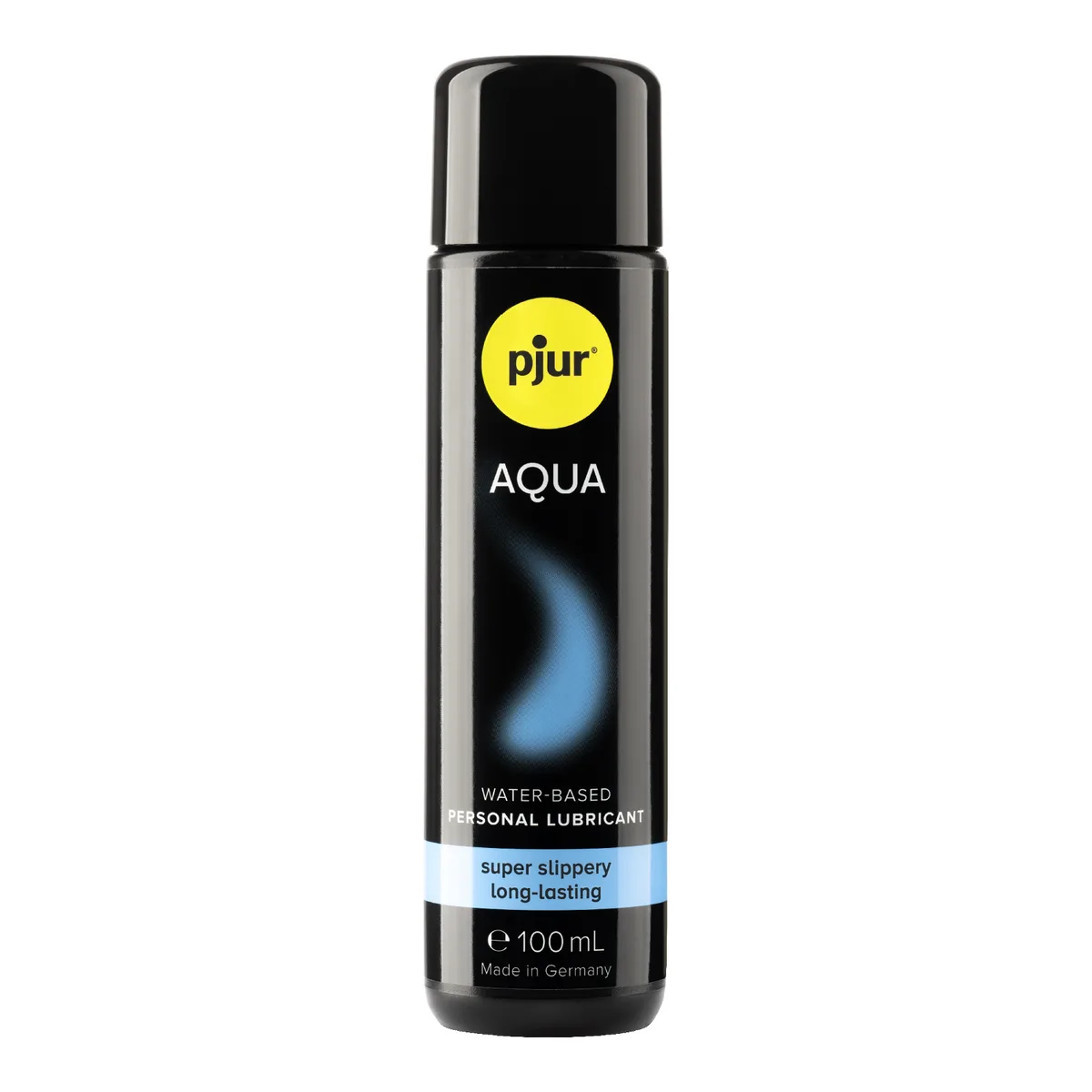
Pjur Aqua 100 ml, a water-based lube that according to the manufacturer works with both latex and polyisoprene condoms

Short answer: which lube can you use with a condom?

With an ordinary latex condom you can use water-based or silicone-based lube. The NHS puts it plainly: don't use oil-based lube with latex condoms, choose water- or silicone-based instead. Oil – baby oil, Vaseline, coconut oil and the like – weakens the latex and increases the risk of the condom breaking.

If the condom is latex-free, the answer depends on the material. Most latex-free condoms are made of polyisoprene, which according to the WHO advisory note on lubricants is just as sensitive to oil as latex. Polyurethane is less sensitive: the same advisory note states that almost all lubes can be used with polyurethane condoms.

The lube label shows what the manufacturer has actually vouched for. Many only mention latex. If polyisoprene or polyurethane isn't listed, the manufacturer hasn't promised anything about those materials – and then the condom packet is the safest source.

Lube and condoms: the material decides

The simplest way to think about it is to start from the condom, not the lube. What material the condom is made of is stated on the packet – the NHS points out that it's always shown there.

Latex: water-based and silicone-based work. Oil-based doesn't.

Polyisoprene (most latex-free condoms): the same as latex according to the WHO advisory note – water and silicone, not oil. Few lube manufacturers mention polyisoprene explicitly.

Polyurethane: according to the WHO advisory note, almost all lubes work. Still read the condom packet.

Internal condom: the NHS describes internal condoms as made of thin, soft plastic or rubber, and some contain latex. For latex internal condoms the same rule applies: no oil-based lube.

Water-based lube and condoms

Water-based lube is the safest all-round choice with condoms. It works with latex and with most latex-free condoms, it doesn't damage silicone toys and it rinses off with water. The downside is that it dries out faster than silicone, so you may need to top up.

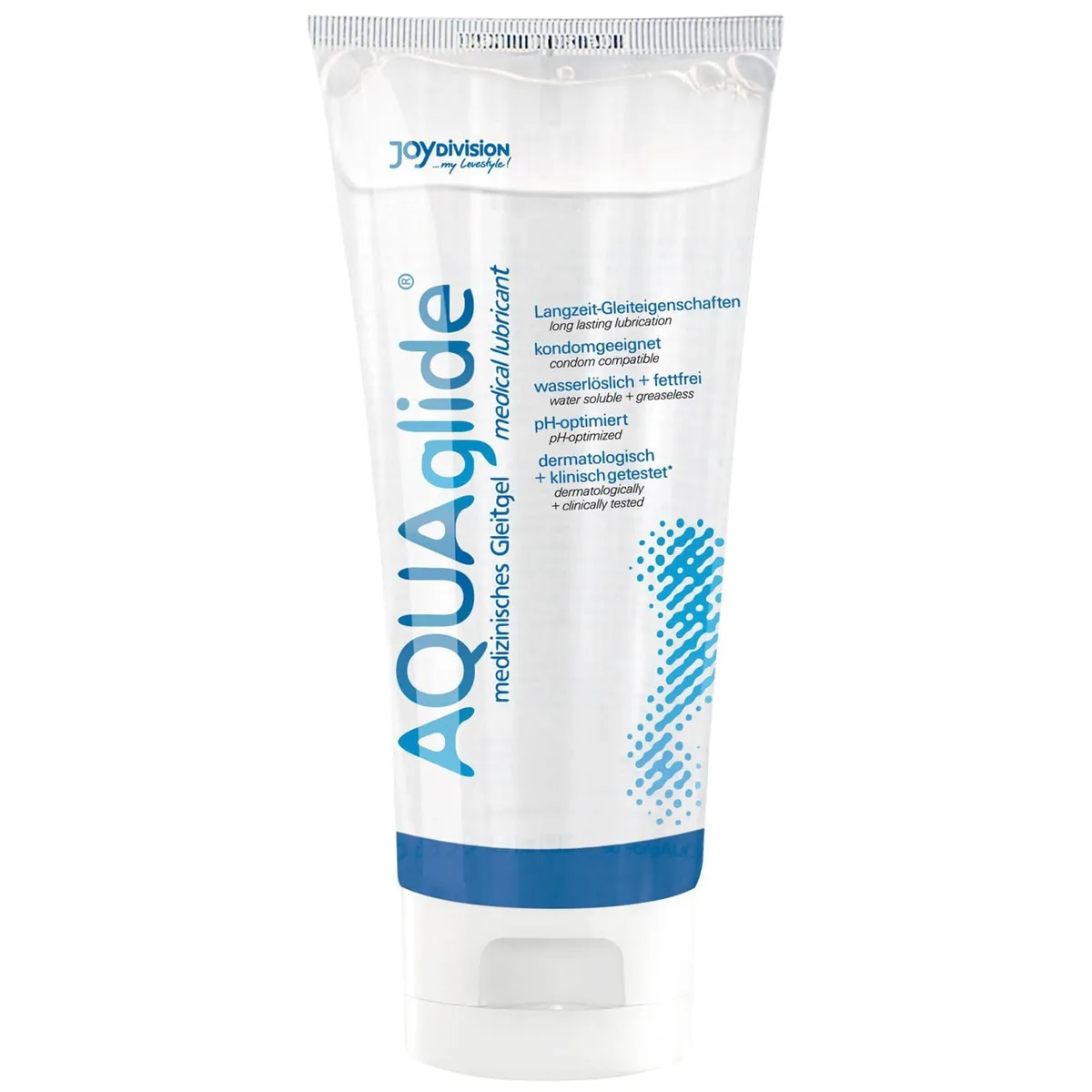
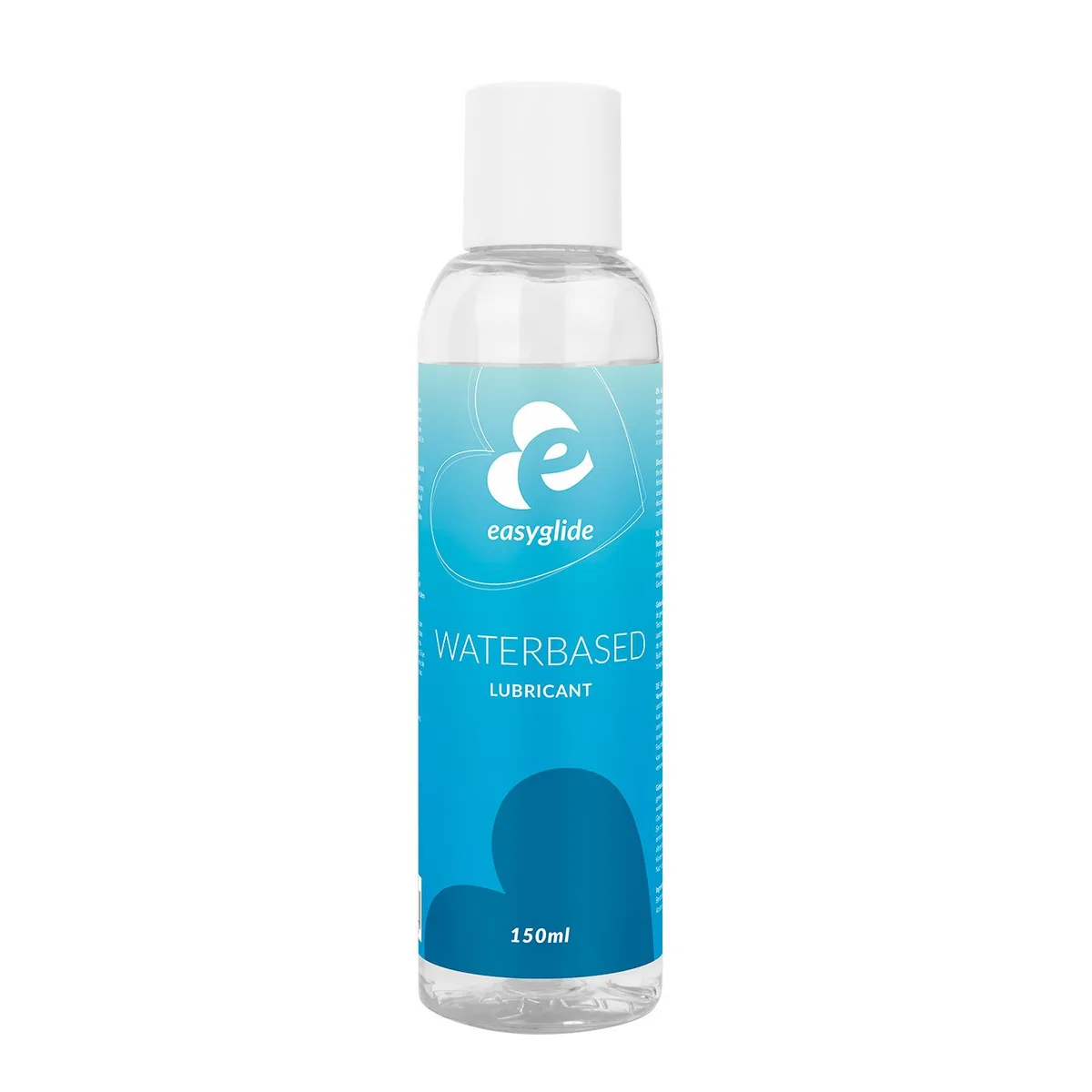
It's still worth reading exactly what each manufacturer writes. Among the water-based lubes we've reviewed, all state compatibility with latex condoms, but only one – pjur Aqua – also explicitly mentions polyisoprene condoms. None of them mentions polyurethane. That doesn't mean the products work less well with other condoms, only that the manufacturer hasn't said.

If you often have dry mucous membranes or get thrush, it may be worth choosing a glycerine-free water-based lube. pjur itself writes in its FAQ that glycerine and glycols can act as food for yeast. More on ingredients, pH and osmolality in which lube to choose.

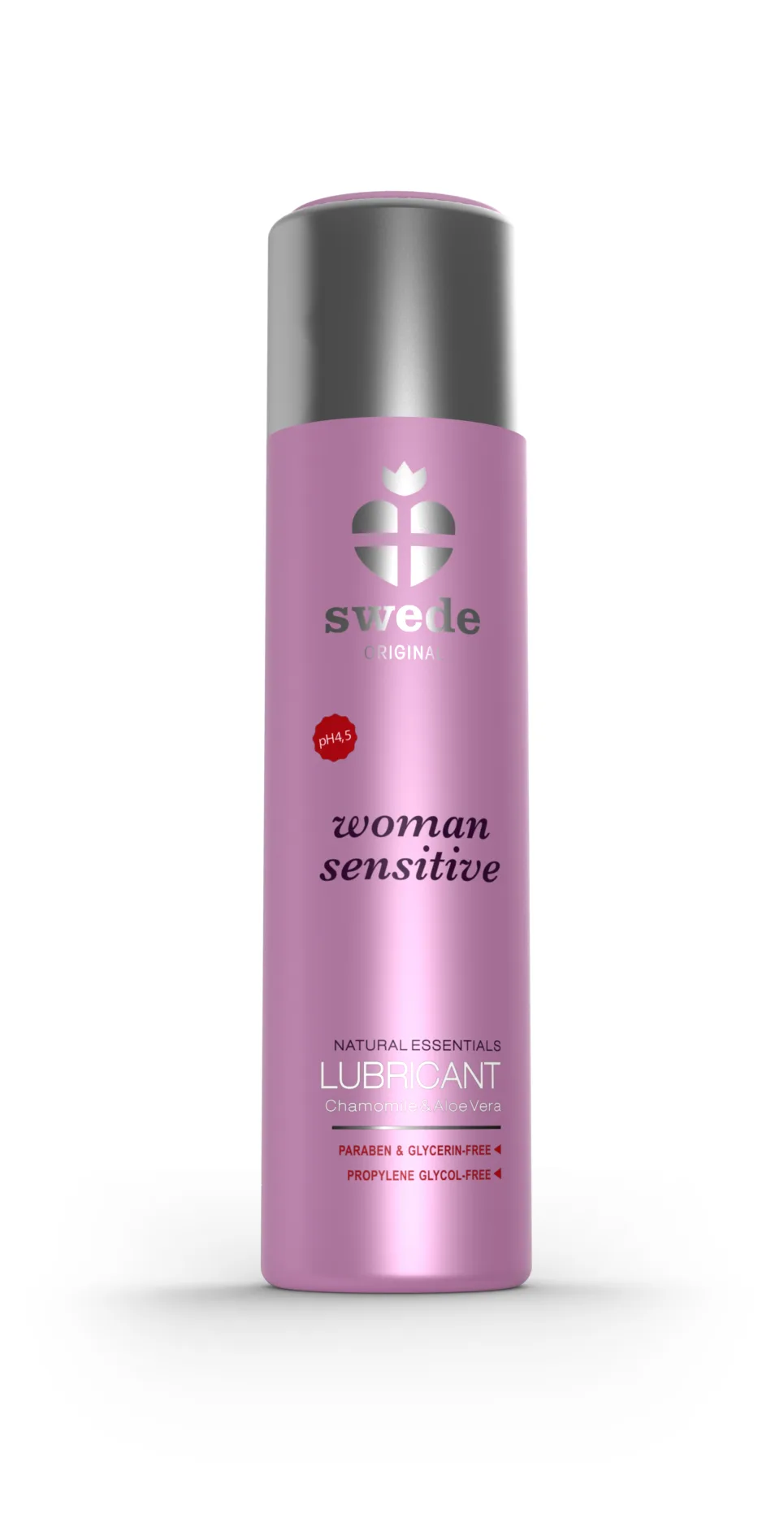
Water-based – with the manufacturer's condom statement

Pjur Aqua 100 ml in the new design, a black bottle with a yellow pjur logo and a blue label, front view on a white background
7.0

Latex and polyisoprene

Pjur Aqua 100 ml

The manufacturer explicitly states compatibility with both latex and polyisoprene condoms and suitability for sex toys. CE-marked with notified body 0482. Contains glycerine.

Lowest price £7.79

Price checked 26 September 2026

Silicone lube and condoms

Silicone-based lube also works with latex condoms – both the NHS and the WHO advisory note count it as a safe choice. Silicone lube doesn't dry out in the same way as water-based, which is why many prefer it for longer sex, for anal sex and in the shower.

Two things set silicone apart from water. The first is sex toys: silicone lube can damage silicone toys, and several manufacturers explicitly advise against it. The second is laundry – silicone doesn't rinse off with water alone but needs soap, and it can stain fabrics.

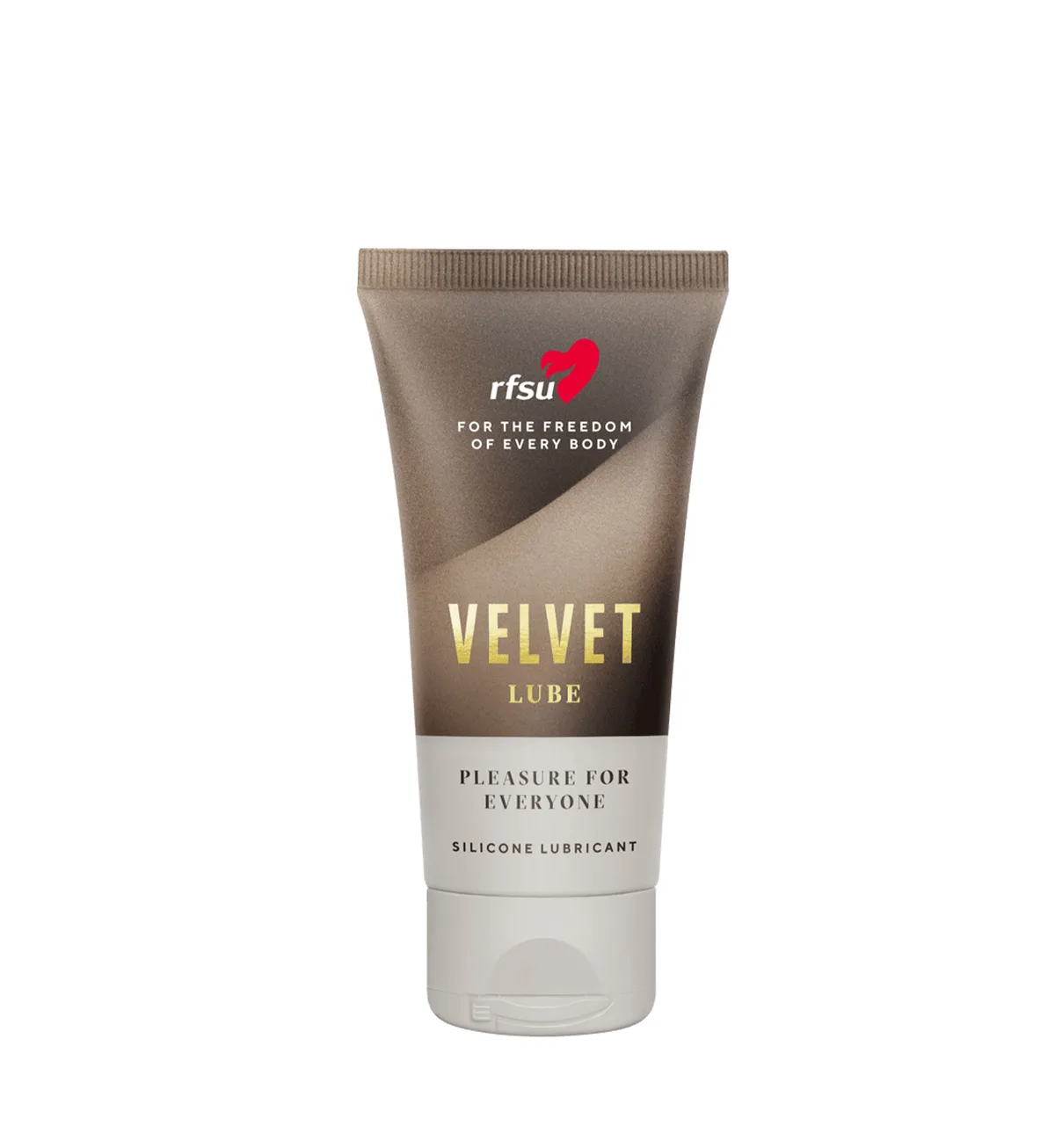
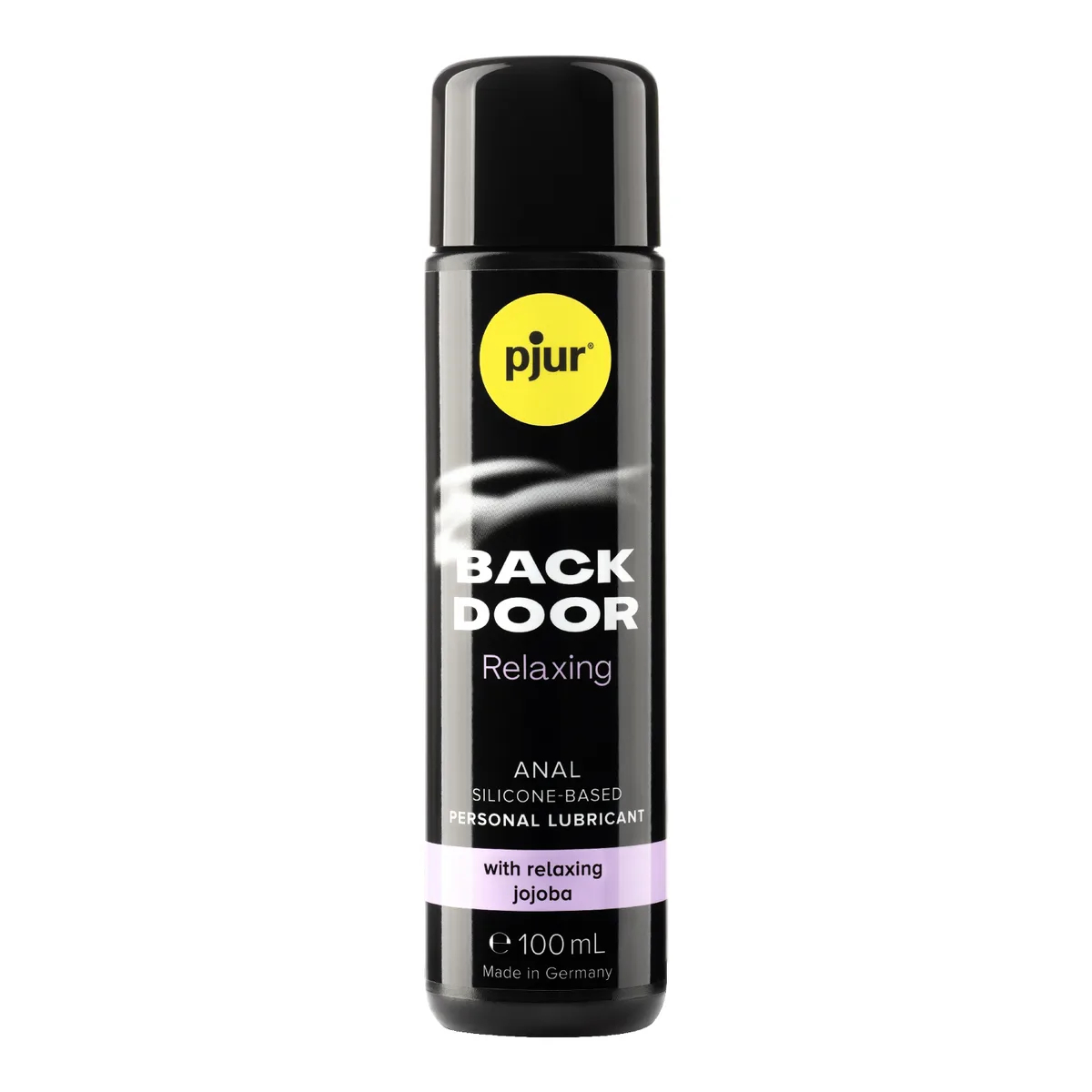
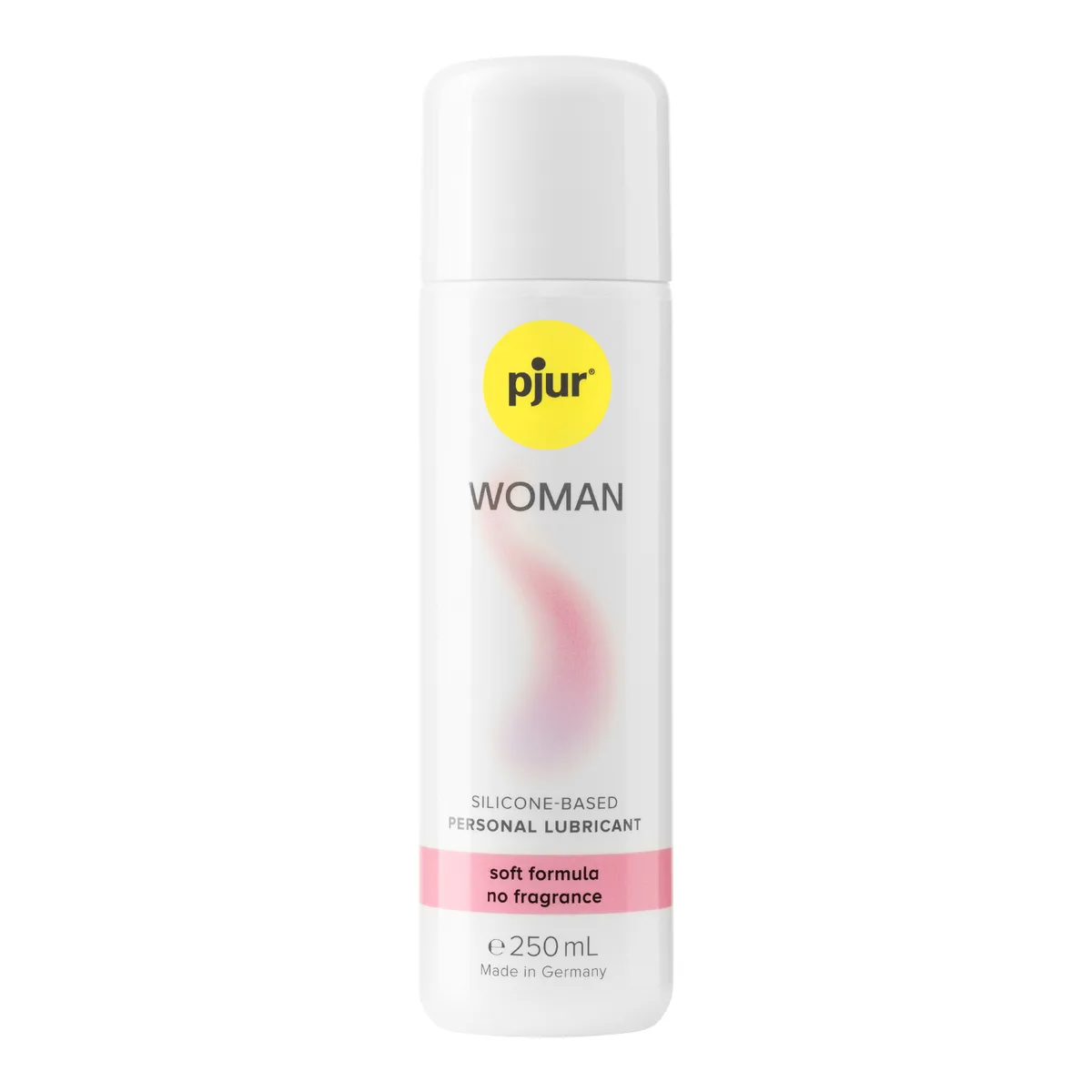
Here too, what manufacturers promise varies. RFSU states that Velvet Lube works with all types of condom. pjur states latex for both Woman and Back Door, but only certifies polyisoprene for a handful of other products in its range. Eros states latex and nothing about other materials.

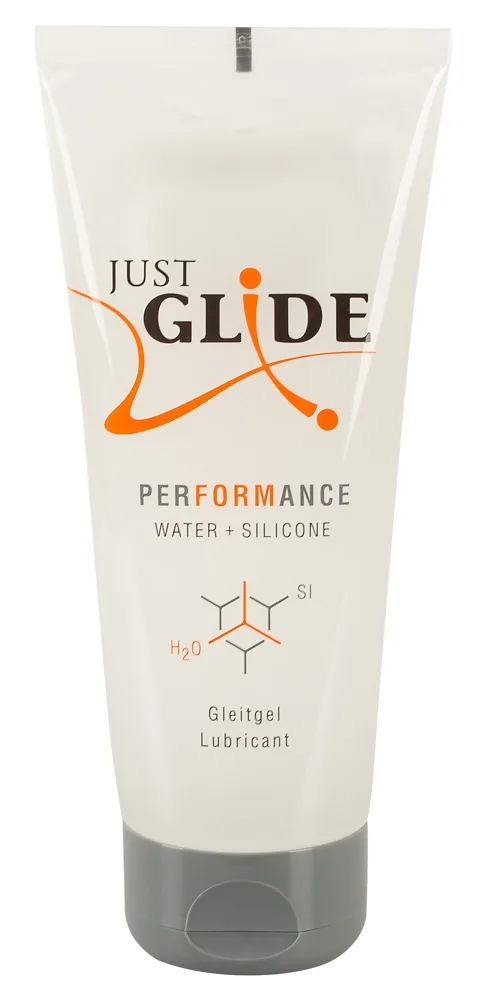
Silicone-based – condom information according to the manufacturer

Why oil doesn't work with latex condoms

Oil and grease break down latex. The condom can look intact but becomes weaker and can split during sex. The WHO advisory note states that oil-based products weaken both latex and polyisoprene. That applies not only to lubes labelled oil-based, but also to what you have at home: baby oil, Vaseline, coconut oil, massage oil and the like.

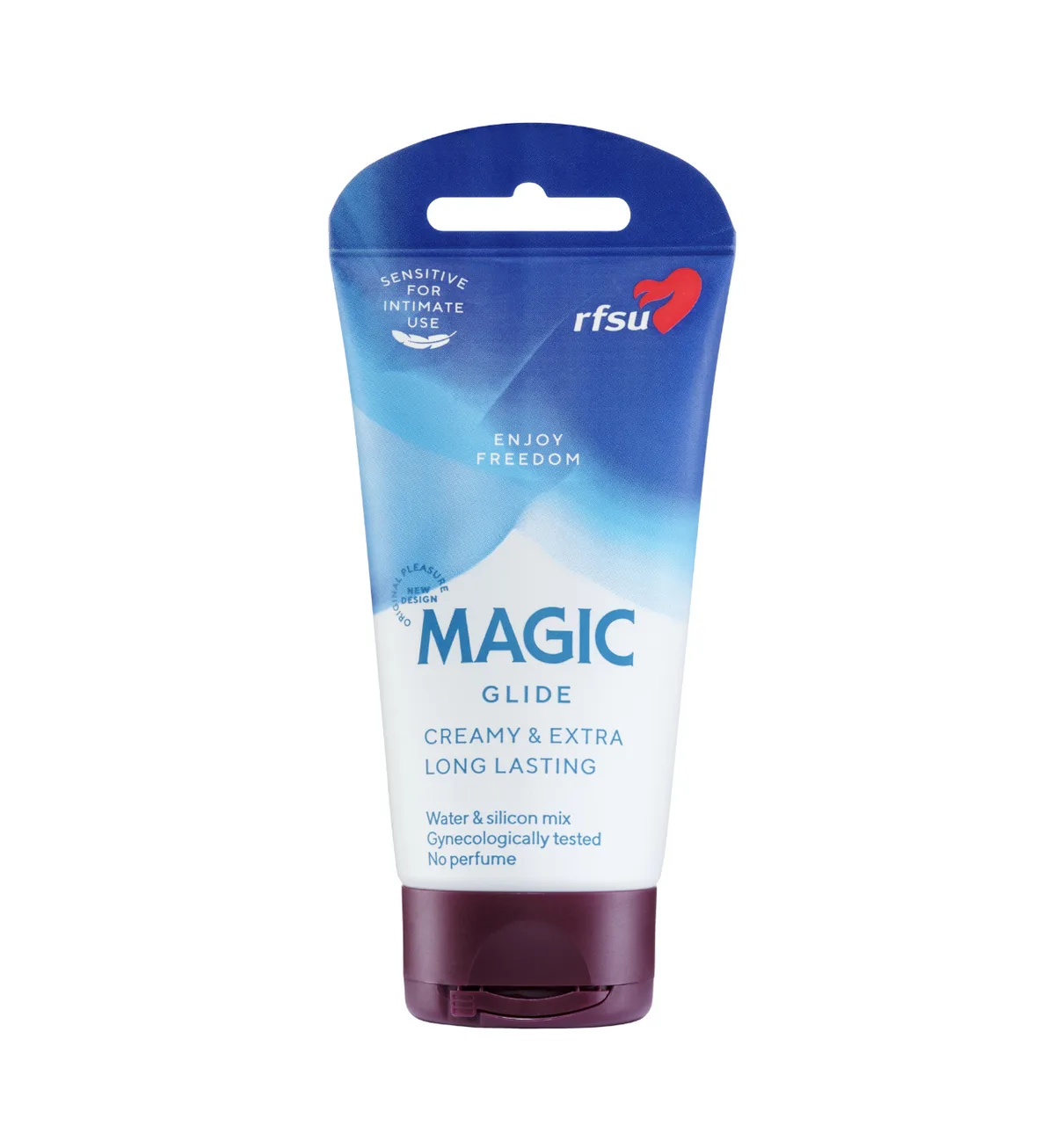
Hybrid lubes are a grey area. They're generally water-based with a proportion of silicone, but some also contain oils or fats. RFSU's Magic Glide, for example, contains isopropyl palmitate and shea butter, while RFSU states that it works with all types of condom. That isn't a contradiction in itself – the ingredients are part of a water-based emulsion – but it shows why the label and the manufacturer's explicit condom statement are what count, not the word on the bottle.

Hybrid lube – read the condom statement carefully

How to use lube with a condom – step by step

1. Check the condom. Look at the use-by date – the NHS points out that an out-of-date condom may not protect you – and at what material it's made of.

2. Put the condom on before there's any contact. The NHS says the condom should go on before the penis touches the vagina or anus. Hold the tip so the air is squeezed out.

3. Put the lube on the outside. Both pjur and JOYDIVISION state that lube should be applied to the outside of the condom once it's on. JOYDIVISION writes in its FAQ that lube on the inside increases the risk of the condom splitting.

4. Top up as needed. Water-based lube dries out. Stop and add more rather than carrying on with too little – friction is one of the reasons condoms break.

5. Use one condom at a time. The NHS advises against using two condoms at once, or an internal condom together with an ordinary condom, as this can cause one or both to split.

6. Change the condom when you switch. When switching between anal and vaginal contact, or between partners, use a new condom.

Lube and condoms for anal sex

For anal sex, lube isn't optional. The rectum produces no moisture of its own, and the WHO advisory note on lubricants points out that additional lube reduces the risk of the condom breaking during anal sex. Use plenty and top up.

Silicone-based lube lasts longest and works with latex, but if you're also using a silicone anal toy you need a water-based lube or one the manufacturer explicitly approves for silicone toys. Avoid numbing lubes: pain is a signal to slow down. More detailed advice in lube for anal sex.

The NHS also describes how an internal condom can be used for anal sex by putting it on the penis or a sex toy like an ordinary condom, and that it should then be lubricated both on the outside and the inside. So that applies to the internal condom specifically – for an ordinary condom, the advice is still the outside.

Condoms on sex toys – and which lube then?

The NHS mentions that some people put condoms on their sex toys. It's a practical way to keep a toy clean when it's shared between partners or used both anally and vaginally – change the condom between each person and each switch. It doesn't replace cleaning afterwards; see how to clean sex toys.

When the toy has a condom on, it's the condom the lube comes into contact with, not the toy. Then the condom's rules apply: nothing oil-based with latex. But it's wise to choose a lube the toy can handle anyway, since lube always ends up where it wasn't meant to. For silicone toys, water-based is the safe choice; for glass and metal, pretty much anything works.

Condoms on toys are particularly relevant for porous materials like TPE and PVC, which can only be cleaned on the surface. Read more in the guide to body-safe sex toy materials.

Common mistakes with lube and condoms

Grabbing whatever's nearest. Hand cream, body lotion, massage oil and coconut oil aren't lube, and several of them contain oil or fat that damages latex.

Lube on the inside of the condom. According to JOYDIVISION, this increases the risk of the condom splitting. Put the lube on the outside.

Two condoms to be on the safe side. That increases the risk of them breaking, according to the NHS.

Trusting the word “condom-safe” without reading which condoms it applies to. It often means latex and nothing else.

Silicone lube on silicone toys. It can make the surface permanently sticky. More pitfalls in common mistakes with sex toys.

Which lube should you choose with condoms?

If you use latex condoms and want a lube that works with everything – condom, body and toys – a water-based lube is the simplest choice. Choose one that explicitly mentions condoms, and ideally one without fragrance.

If you use latex-free condoms, choose a lube where the manufacturer mentions that specific material, or follow the recommendation on the condom packet.

If you want something long-lasting, for example for anal sex or in the shower, silicone lube is a good choice with latex condoms – as long as no silicone toys are involved. More comparisons among the best lubes, and pjur Aqua is one of the few lubes that explicitly mentions both latex and polyisoprene condoms.

Frequently asked questions about lube and condoms

Can you use lube with a condom?
Yes. Water-based and silicone-based lube work with latex condoms and make it less likely that the condom will break. Oil-based lube should not be used with latex.
Which lube works with latex condoms?
Water-based and silicone-based. Oil – including everyday products such as baby oil, Vaseline and coconut oil – weakens latex and should be avoided.
Can you use silicone lube with a condom?
Yes, with latex condoms. Silicone lube lasts a long time and doesn't dry out, but it can damage silicone sex toys and needs soap to wash off.
Which lube should you use with latex-free condoms?
Most latex-free condoms are made of polyisoprene, which according to the WHO advisory note is just as sensitive to oil as latex – use water- or silicone-based. Polyurethane condoms can take almost all lubes. Follow the instructions on the condom packet.
Should lube go on the inside or the outside of the condom?
On the outside, once the condom is on. Lube on the inside increases the risk of the condom splitting. The exception is internal condoms, which the NHS says should be lubricated both outside and inside when used for anal sex.
Can you use coconut oil with a condom?
Not with latex or polyisoprene condoms. Coconut oil is an oil and weakens the material. With a polyurethane condom it's less of a problem according to the WHO advisory note, but read the condom packet.
Does lube protect against pregnancy?
No. Ordinary lubes are neither contraceptives nor spermicidal. It's the condom that protects.

About the author

Elin Sandberg Founder

I run the site. The reviews are produced with AI assistance, and every review is based on the manufacturer’s own specifications, product data sheets and price data from the shops that sell the product — all sources are listed at the bottom of the page and can be checked. I compare the models on what can actually be documented: material, dimensions, power levels, water-resistance rating, warranty and price. If you find a mistake, I want to know.
  • 395 reviewed products
  • Source-backed specifications
  • No sponsored placements

Sources

  1. That oil-based lube should not be used with latex condoms, that the material is stated on the packet, use-by date, squeezing the air out of the tip, putting the condom on before contact, using one condom at a time and that condoms can be used on sex toys NHS — Condoms — checked 2026-09-27
  2. The internal condom's material, that oil-based lube should not be used with latex internal condoms, that it should not be combined with an ordinary condom and that it can be put on a penis or sex toy for anal sex NHS — Internal condoms — checked 2026-09-27
  3. That oil-based products weaken latex and polyisoprene, that water- and silicone-based lubes are compatible with latex, that almost all lubes work with polyurethane and that additional lube reduces the risk of condom breakage during anal sex WHO/UNFPA/FHI360 — Use and procurement of additional lubricants for male and female condoms: advisory note (2012) — checked 2026-09-27
  4. Compatibility with latex and polyisoprene condoms and sex toys for pjur AQUA pjur — official product page for pjur AQUA — checked 2026-09-27
  5. Glycerine and glycols as food for yeast pjur — frequently asked questions (FAQ) — checked 2026-09-27
  6. Application to the outside of the condom once it's on pjur — instructions for use and product information — checked 2026-09-27
  7. Latex compatibility and the statement that the lube reduces the risk of condom breakage for pjur BACK DOOR Relaxing pjur — official product page for pjur BACK DOOR Relaxing — checked 2026-09-27
  8. Latex condoms for pjur WOMAN pjur — official product page for pjur WOMAN — checked 2026-09-27
  9. Lube on the outside of the condom and that lube on the inside increases the risk of the condom splitting; pH range JOYDIVISION — Frequently asked questions (FAQ) — checked 2026-09-27
  10. Latex condoms and silicone toys for AQUAglide JOYDIVISION — product page for AQUAglide 200 ml — checked 2026-09-27
  11. Ingredients, pH 4.5 and latex condoms for Woman Sensitive Swede — official product page for Woman Sensitive — checked 2026-09-27
  12. Compatibility with all types of condom and advice against silicone toys for Velvet Lube RFSU — official product page for Velvet Lube (English) — checked 2026-09-27
  13. Ingredients and latex condoms for Just Glide Performance ORION Wholesale — wholesaler page for Just Glide Performance 200 ml — checked 2026-09-27
  14. Ingredients list with isopropyl palmitate and shea butter for Magic Glide RFSU AB — Safety data sheet RFSU Magic Glide (PDF) — checked 2026-09-27
  15. Ingredients list for Liquid Silk Bodywise Ltd — Liquid Silk Information — checked 2026-09-27
  16. Ingredients and latex compatibility for EasyGlide Waterbased ONE-DC (EasyGlide's wholesaler) — product page for EasyGlide Lubricant 150 ml — checked 2026-09-27